
Search
Showing results for "early childhood"
Neutrophils are a type of immune cell that can trigger inflammation and may play a role in the development of MS.
Ultraviolet radiation is the leading preventable cause of skin cancer, and early-life exposure increases long-term risk. Despite this, guidelines on sun protection for children and young people are inconsistent.
Obesity was a risk factor for severe COVID-19 in children during early outbreaks of ancestral SARS-CoV-2 and the Delta variant. However, the relationship between obesity and COVID-19 severity during the Omicron wave remains unclear.
Pregnancy and early infancy are increased risk periods for severe adverse effects of respiratory infections. Aboriginal and/or Torres Strait Islander (respectfully referred to as First Nations) women and children in Australia bear a disproportionately higher burden of respiratory diseases compared to non-Indigenous women and infants. Influenza vaccines and whooping cough (pertussis) vaccines are recommended and free in every Australian pregnancy to combat these infections.
The immunological mechanisms that contribute to multiple sclerosis (MS) differ between males and females. Females are 2-3 times more likely to develop MS compared to males, however the reason for this discrepancy is unknown. Once MS is established, there is a more inflammatory yet milder form of disease in females whereas males generally suffer from more severe disease and faster progression, neural degradation, and disability.
The role of children in the spread of severe acute respiratory syndrome coronavirus 2 (SARS-CoV-2) remains highly controversial. To address this issue, we performed a meta-analysis of the published literature on household SARS-CoV-2 transmission clusters (n = 213 from 12 countries). Only 8 (3.8%) transmission clusters were identified as having a pediatric index case.
Researchers at Perth's Telethon Institute are one step closer to preventing serious lung disease which is the main cause of suffering in cystic fibrosis.
Research has found a link between children with larger head measurements in-utero and a subsequent diagnosis of Autism Spectrum Disorder (ASD) as toddlers.
Lung damage in children with CF occurs much earlier than previously thought, and proving this is related to the decline that occurs later will create new paradigms for prevention and treatment.
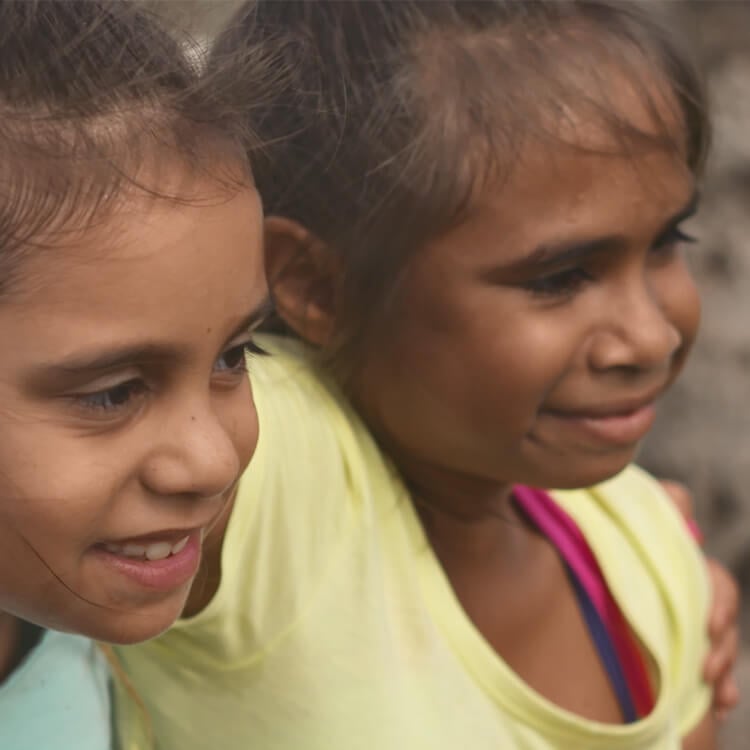
National Healthy Skin Guideline: for the Prevention, Treatment and Public Health Control of Impetigo, Scabies, Crusted Scabies and Tinea for Indigenous Populations and Communities in Australia