
Search
Showing results for "aboriginal respiratory"
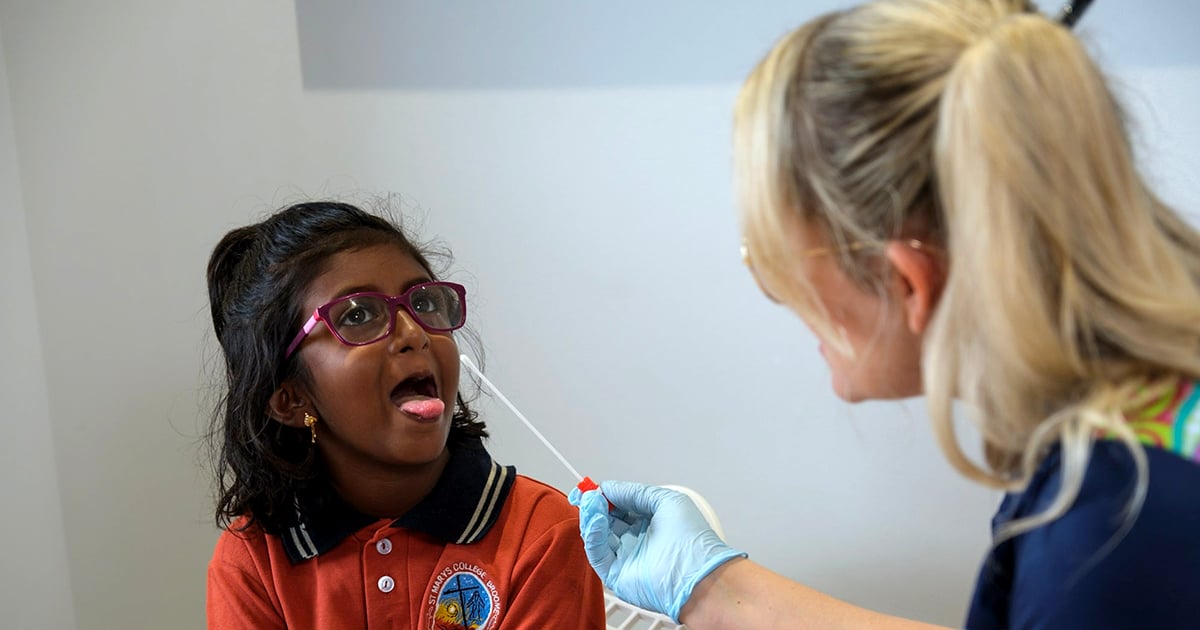
New research has revealed that molecular point-of-care testing (POCT) can significantly improve detection of Group A Streptococcal (Strep A) pharyngitis compared to laboratory culture – particularly in remote communities, where results can take up to seven days – unlocking a major opportunity to prevent rheumatic
The Mental Health Commission (MHC) of Western Australia has provided funding to The Kids Research Institute Australia to undertake exploratory research to inform a WA approach to aftercare.
This study aims to clarify the pathways through suicidality experienced by LGBTQA+ young people to identify areas for possible intervention.
Many families of trans young people tell us they feel unsure, stressed, or alone as they try to support their child.
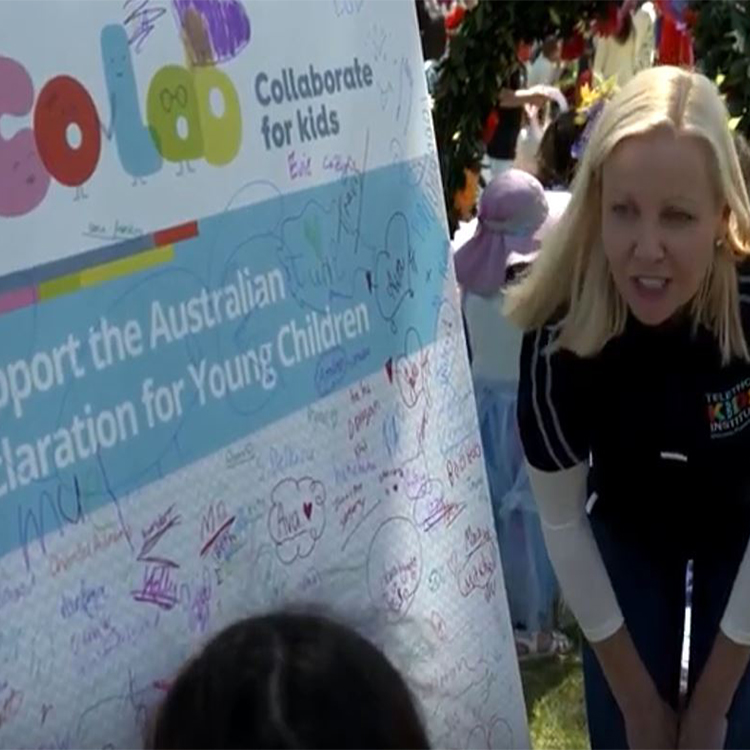
More than 100 leading Australian stakeholders with early childhood expertise were invited to work with CoLab to develop the first Australian EC Declaration.
There is an increasing trend to prescribe ondansetron although its safety for use in pregnancy has not been established.
The aim of this study was to measure umbilical blood androgen concentrations in a birth cohort using a highly specific liquid chromatography-tandem mass...
A testimonial about Jean Golding's achievements in paediatric epidemiology.
Preliminary evidence suggests that prenatal testosterone exposure may be associated with language delay.
We wanted to embark on an epidemiological research project that would contribute new knowledge and, at the same time, might prove the value of the registry...