
Search
Showing results for "aboriginal respiratory"
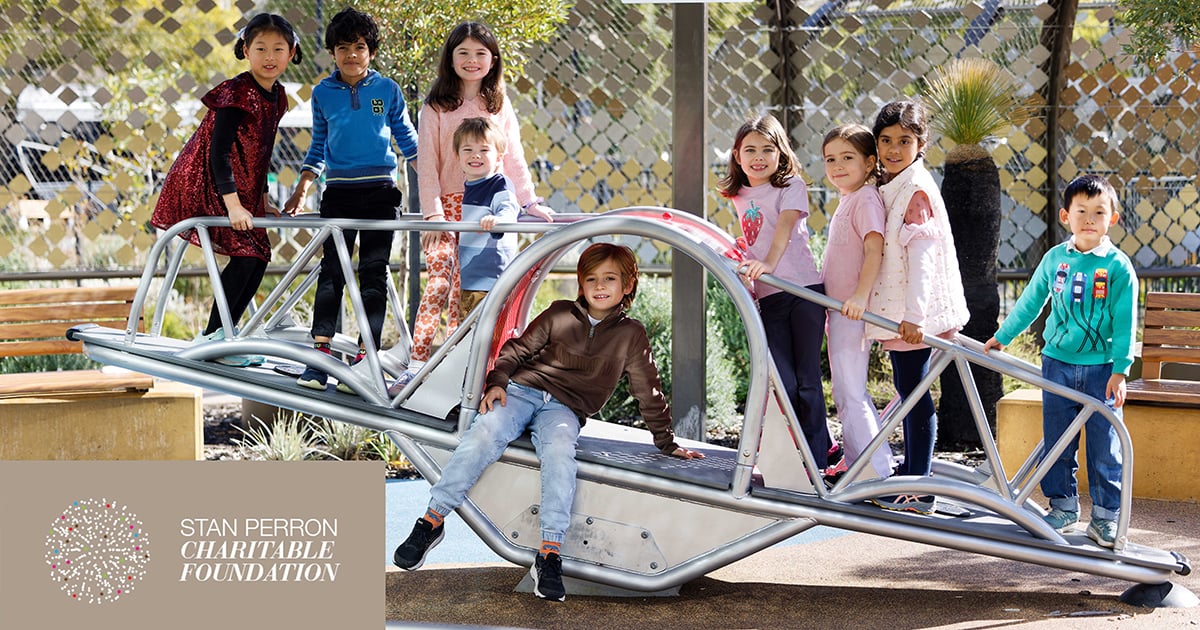
Eleven researchers from The Kids Research Institute Australia will benefit from the latest round of Stan Perron Charitable Foundation Research Fellowship and Platform grants, with two researchers receiving prestigious Perron Platform grants and a further ten awarded Research Fellowships.

The Kids Research Institute Australia has been awarded a prestigious National Health and Medical Research Council (NHMRC) tender to lead the national review of the revised Draft Statement on Consumer and Community Involvement in Health and Medical Research.
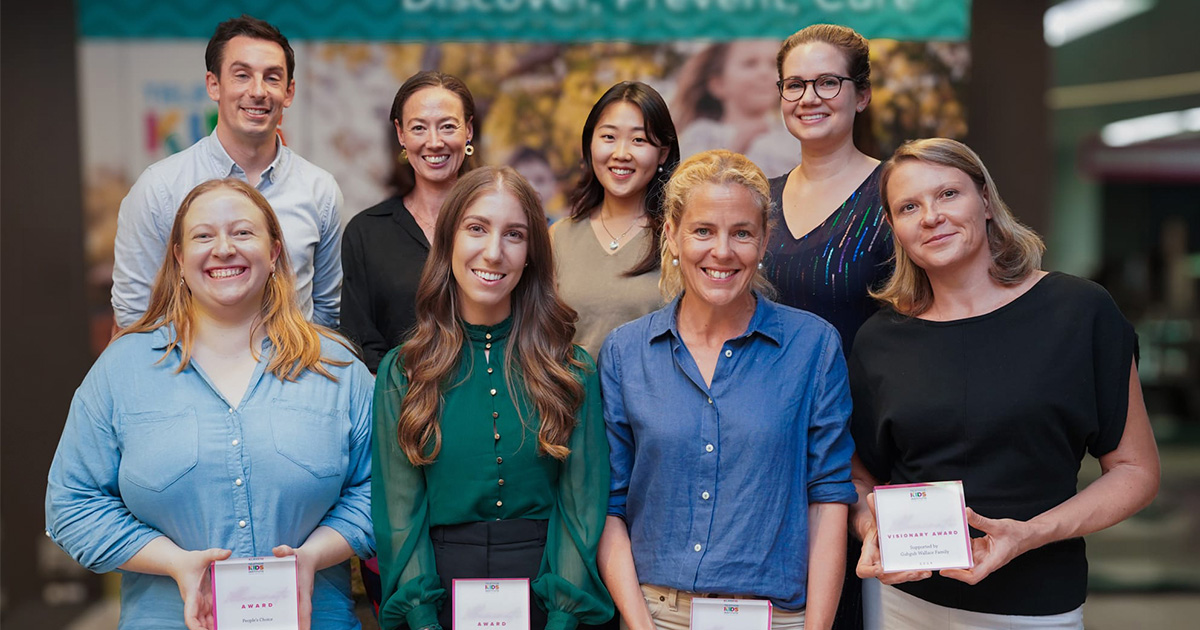
Earlier this week ten emerging researchers took to the stage to pitch their projects to a room full of excited and engaged philanthropists who share our vision of happy, healthy kids.

Congratulations to Head of Youth Mental Health at The Kids Research Institute Australia, Dr Yael Perry, who has received a Telstra Health 2023 Brilliant Women in Digital Health Award in recognition of her innovative use of technology to achieve positive mental health outcomes for marginalised young people.
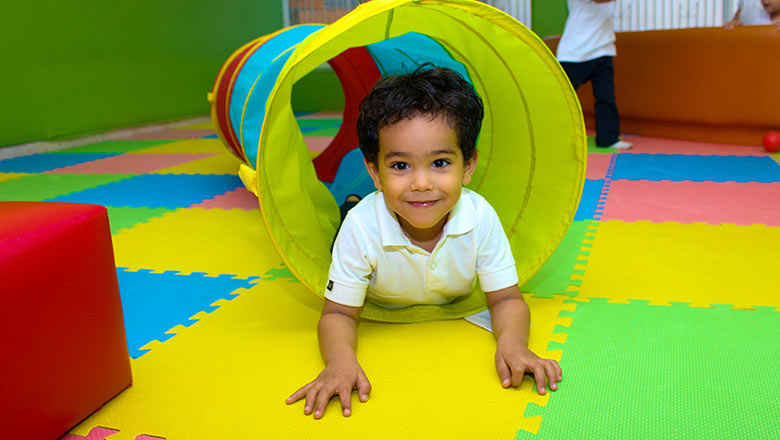
The generous support of West Australians through Channel 7’s Telethon Trust will help support crucial child health research at The Kids Research Institute Australia in 2022.
The Department for Education commissioned this report to understand how such gender differences in early childhood may influence outcomes later in life.
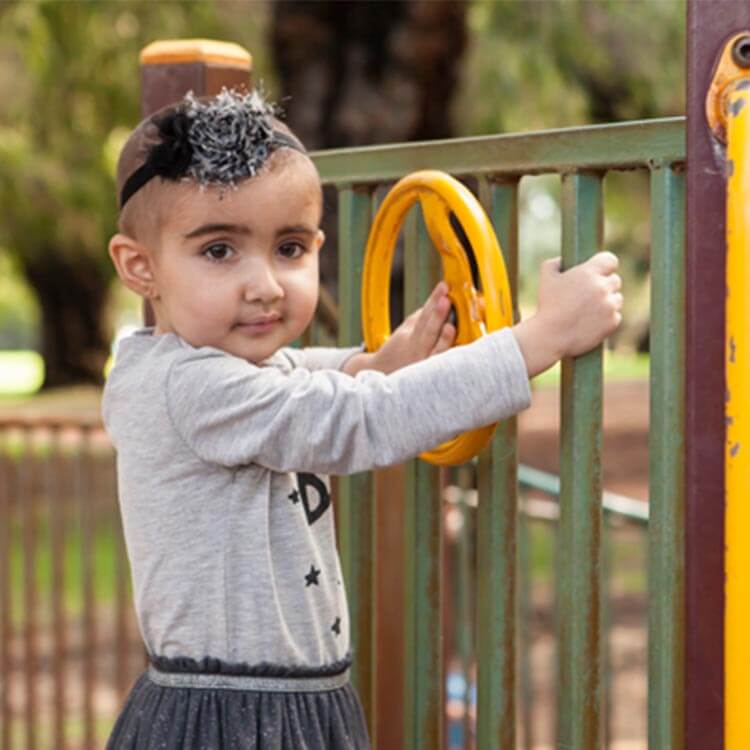
This evaluation explored the facilitators & barriers that influence Community Playgroup attendance, and the impact of attending playgroups on child development.
The Kids Research Institute Australia has been commissioned to investigate outcomes for children who have left out-of-home care and are currently 25 years of age.
This study aimed to evaluate and compare the effectiveness of two brief written anti-stigma resources.
Helen Yael Morgan Perry BA (Hons), Doctor of Psychology BPsych (Hons) MPsych (Clin) PhD Senior Project Coordinator Head, Youth Mental Health 08 6319