
Search
Showing results for "Childhood interstitial lung disease "

The national report released today from the Australian Early Development Census (AEDC) shows that in 2015, most children in Australia were on track.
The study is the first of its kind to track language delay from two years of age through to late adolescence, using data collected from the long running Raine
Hayley Karen Christian Lombardi BSc (1st Class Hons), PhD (Distinction) W.Aust. BHSc (Hons), PhD Head, Child Physical Activity, Health and
Australian children aged 5 years and younger are exposed to more screen time (e.g., televisions, tables, and smartphones) than ever before.
Mental health problems are the most prevalent and expensive chronic condition affecting children.
It is now well accepted that germline or de novo genetic alterations predispose to cancer development, especially during childhood. Among them, constitutive trisomy 21, also known as Down syndrome (DS), has been shown to predispose to acute leukemia affecting both the myeloid (ML-DS) and lymphoid (DS-ALL) lineages. ML-DS is associated with a good prognosis compared to children without DS, due in part to a higher sensitivity to conventional chemotherapy.
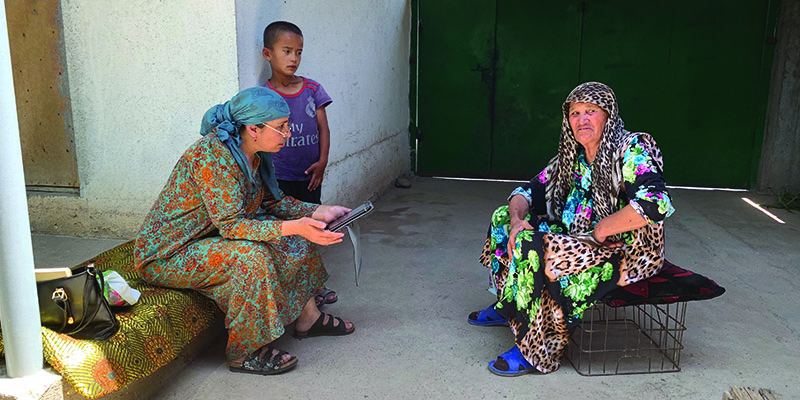
Fieldworkers learning how to collect eHCI data A fieldworker collects data for the eHCI in Tajikistan The rugged, landlocked Central Asian country of
Physical literacy development in early childhood, viewed by many as the foundation for lifelong physical activity engagement, is significantly influenced by parents. Our aim was to explore parents' understanding of physical literacy and gain insight into their perspectives on physical literacy promotion.
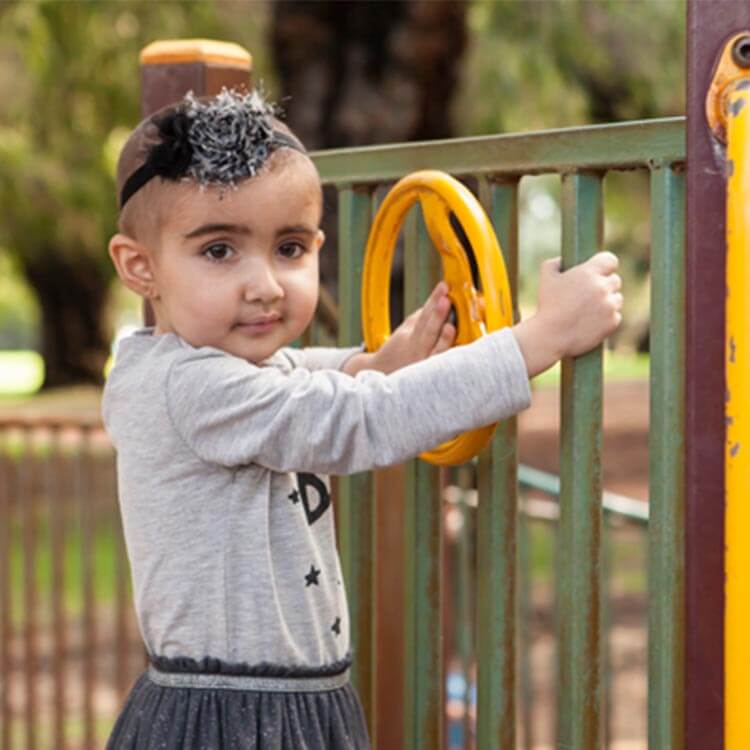
This evaluation explored the facilitators & barriers that influence Community Playgroup attendance, and the impact of attending playgroups on child development.

In this blog, Speech Pathologist Genevieve Wilmot discusses the many benefits of book sharing and how it can promote connection and social and communication development.