
We sought research experiences of caregivers and their children were enrolled in the Environmental Determinants of Islet Autoimmunity (ENDIA) study.
Dynamic cellular and molecular adaptations in early life significantly impact health and disease. Upon birth, newborns are immediately challenged by…
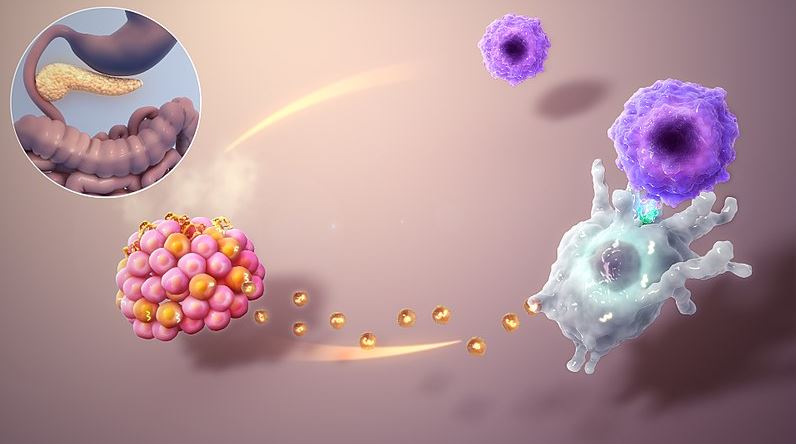
to better detect a child's risk of developing type 1 diabetes. Type1Screen offers free antibody ... determine if they are at risk of developing type…
It is extremely challenging to formulate age-appropriate flucloxacillin medicines for young children, because flucloxacillin sodium (FS) has a linger…
We aimed to ascertain the fit of the European Respiratory Society Global Lung Initiative 2012 reference ranges to contemporary Australasian spirometr…
Study: Self-Compassion for Young People with Type 1 Diabetes PARTICIPANTS NEEDED: 1 diabetes to take part in a study of a self-compassion ... The pro…
X-linked hypophosphataemia (XLH) is the most common heritable form of rickets. Prevalence data varies across the literature between 1 in 20,000 and 1…
This study evaluated the efficacy of using a hybrid closed loop system in restoring hypoglycemia awareness in individuals with impaired awareness of…
CDKL5 Deficiency Disorder (CDD) is a rare, X-linked dominant condition that causes a developmental and epileptic encephalopathy (DEE). The incidence…

Type 1 diabetes and Physical Activity Booklet