
Search
Showing results for "mental health aboriginal"
A world-first study from The Kids for Child Health Research has identified risk factors for receptive language development in Australian children.
Helen Jenny Peter Leonard Downs Richmond MBChB MPH BApplSci (physio) MSc PhD MBBS MRCP(UK) FRACP Principal Research Fellow Head, Child Disability
To evaluate the participation difficulties experienced by children with developmental coordination disorder in home, school, and community environments.
Our research covers a broad range of areas from the influence of mutation type on health outcomes to factors impacting on the lives of familes.
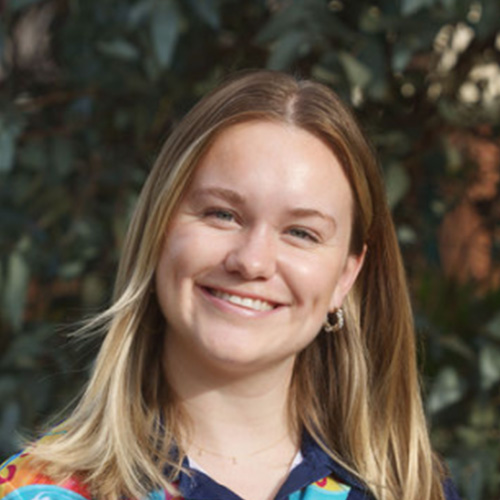
Research Assistant
Combining elevated CRP with the presence or absence of clinical signs/ symptoms differentiates definite bacterial from presumed viral pneumonia better than CRP alone
Here we recognise donors who have made cumulative gifts of $10,000 and above to contribute to children's health research at The Kids Research Institute Australia.
The Kids CONNECT honours the many ways our community supports us to make our research great and achieve our vision of happy healthy kids.

Eva Age 19. Youth advocate, Youth Advisory Group community member. I believe that research is an integral part of society and contributes
Diabetes distress, self-efficacy and health literacy are associated with diabetes self-management and health outcomes. Measures of coping styles and their impact on diabetes self-management and diabetes-related distress may add value in identifying those at risk of poorer health outcomes. Current evidence of associations between psychological flexibility/inflexibility and diabetes related health outcomes is limited.