
Search
Showing results for "Childhood interstitial lung disease "
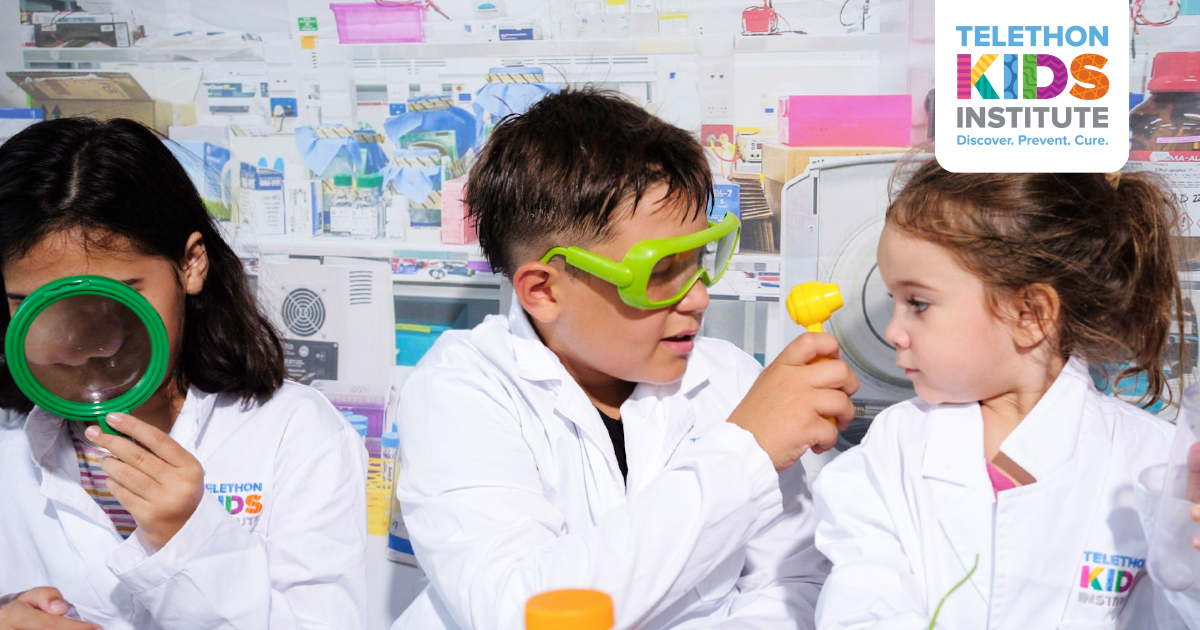
The Kids Research Institute Australia is bringing science to the Kimberley, with a series of free activities for children and families in Broome in the leadup to National Science Week.
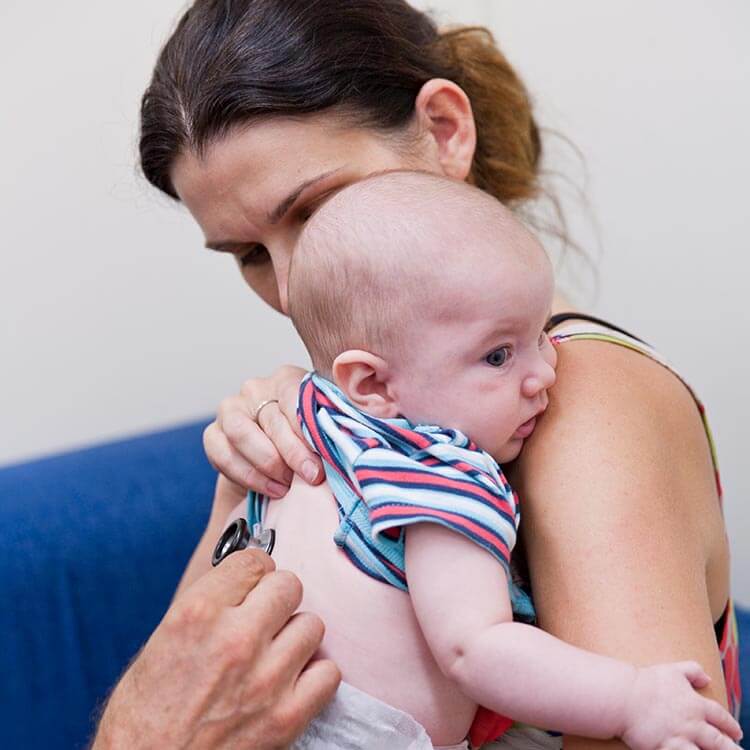
A groundbreaking WA trial, published in The Lancet, has determined that a laryngeal mask for babies is preferred over endotracheal tube during minor surgeries
Telethon Institute awarded two national Centres of Research Excellence
Research has found evidence that the amount and timing of alcohol consumption in pregnancy affects child behaviour in different ways
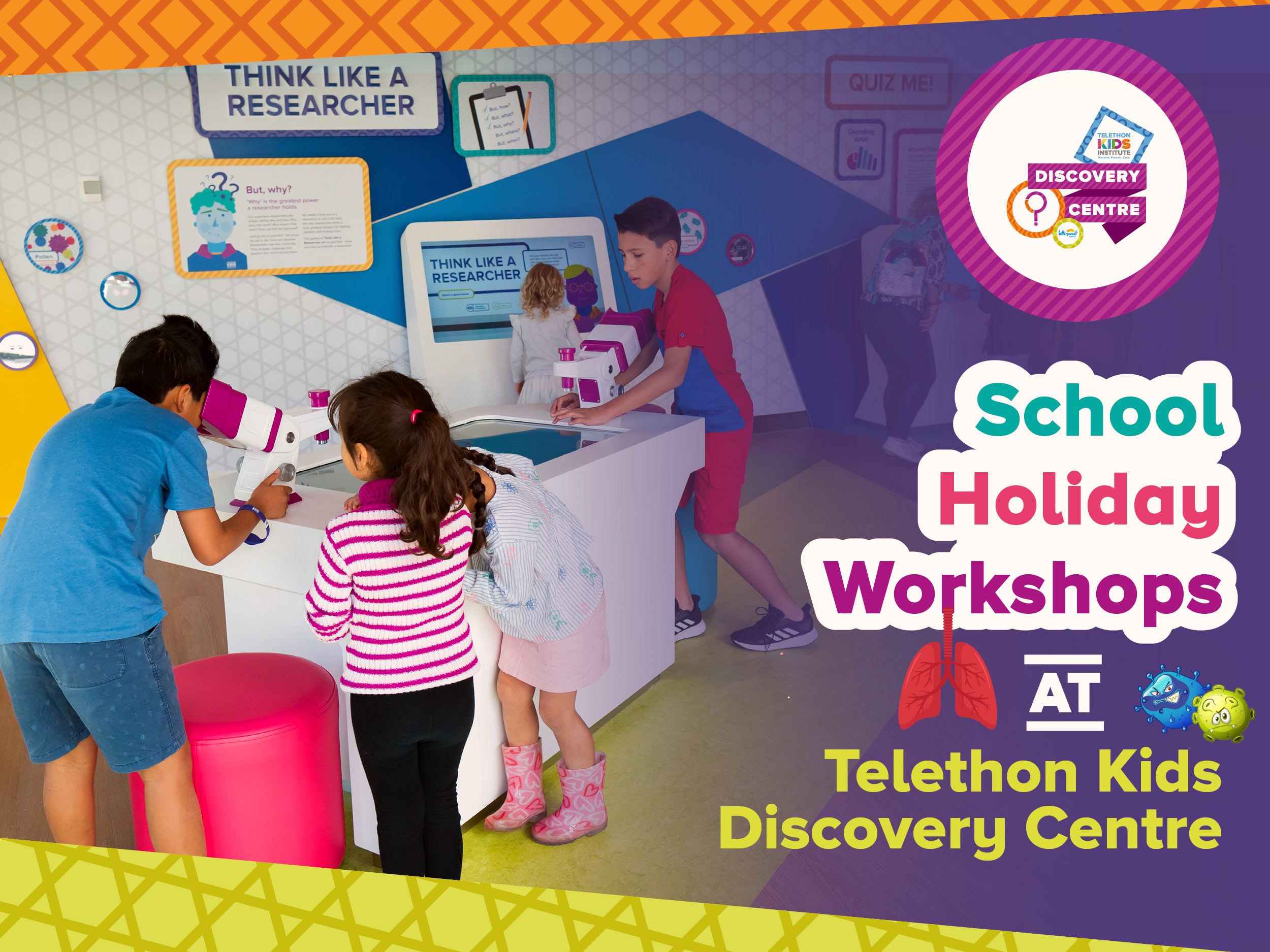
The The Kids School Holiday Workshops are back on this January holidays with a bigger and bolder program of fun and educational workshop for kids!
Two RSV immunisations products: a maternal vaccine, Abrysvo, and a long-acting monoclonal antibody, nirsevimab, both designed to prevent RSV illness in infants, have recently become available. Modelling evidence is required to inform how to optimally use these products in immunisation programs to reduce the burden of RSV in young children.
To provide updated evidence-based clinical guidance in the management of infants with bronchiolitis presenting to emergency departments (EDs), general paediatric, or intensive care units (ICUs) in Australia and Aotearoa New Zealand (AoNZ) following the first publication in 2016.
Respiratory Syncytial Virus (RSV) causes a significant burden of illness for children under 2 years of age. Nirsevimab, a long-acting monoclonal antibody, was registered for RSV prevention in Australia in 2023. In April 2024, Western Australia (WA) launched the country's first state-wide nirsevimab program for all infants and high-risk children entering their second RSV season.
Influenza vaccination is recommended for pregnant women, offering the dual benefit of protecting pregnant women and their newborn infants against influenza. This study aimed to investigate the impact of body mass index (BMI) on influenza vaccine responses in pregnant women and their newborns.
Respiratory syncytial virus (RSV) causes serious illness in children. The Ad26.RSV.preF vaccine candidate was immunogenic with acceptable safety in a phase 1/2a study of RSV-seropositive children. Here, we assessed its safety and immunogenicity in RSV-seronegative children.