
Search
Showing results for "mental health aboriginal"
Neurodiversity refers to the different ways that people experience and interact with the world around them. Each person’s brain works differently, meaning no two brains are the same.
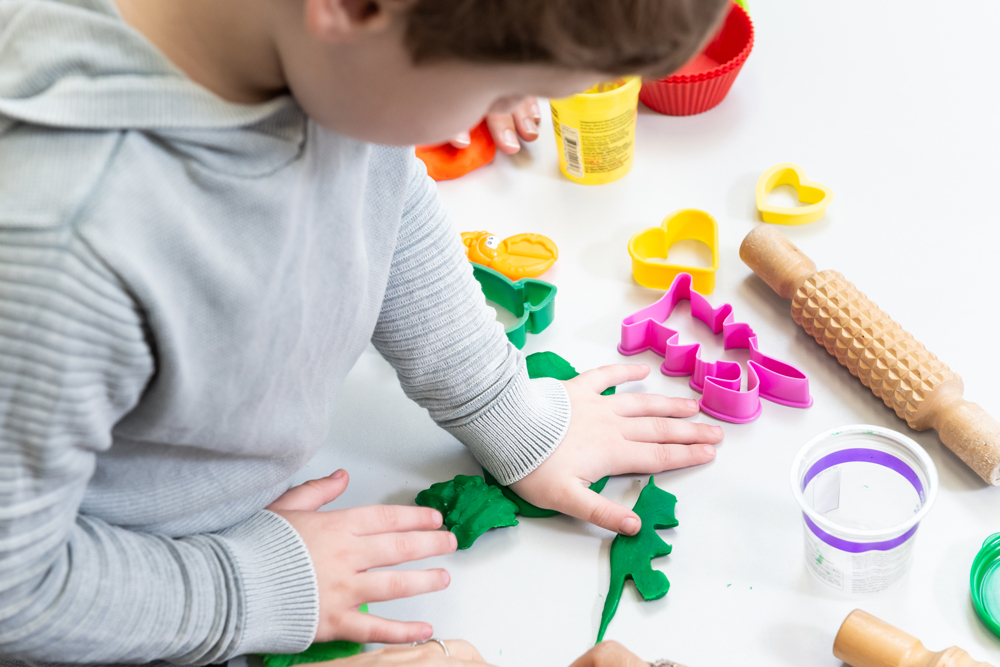
The language we use shifts over time and the words we use are important. At CliniKids, we are committed to using language that is neuroaffirming and preferred by the autistic community.
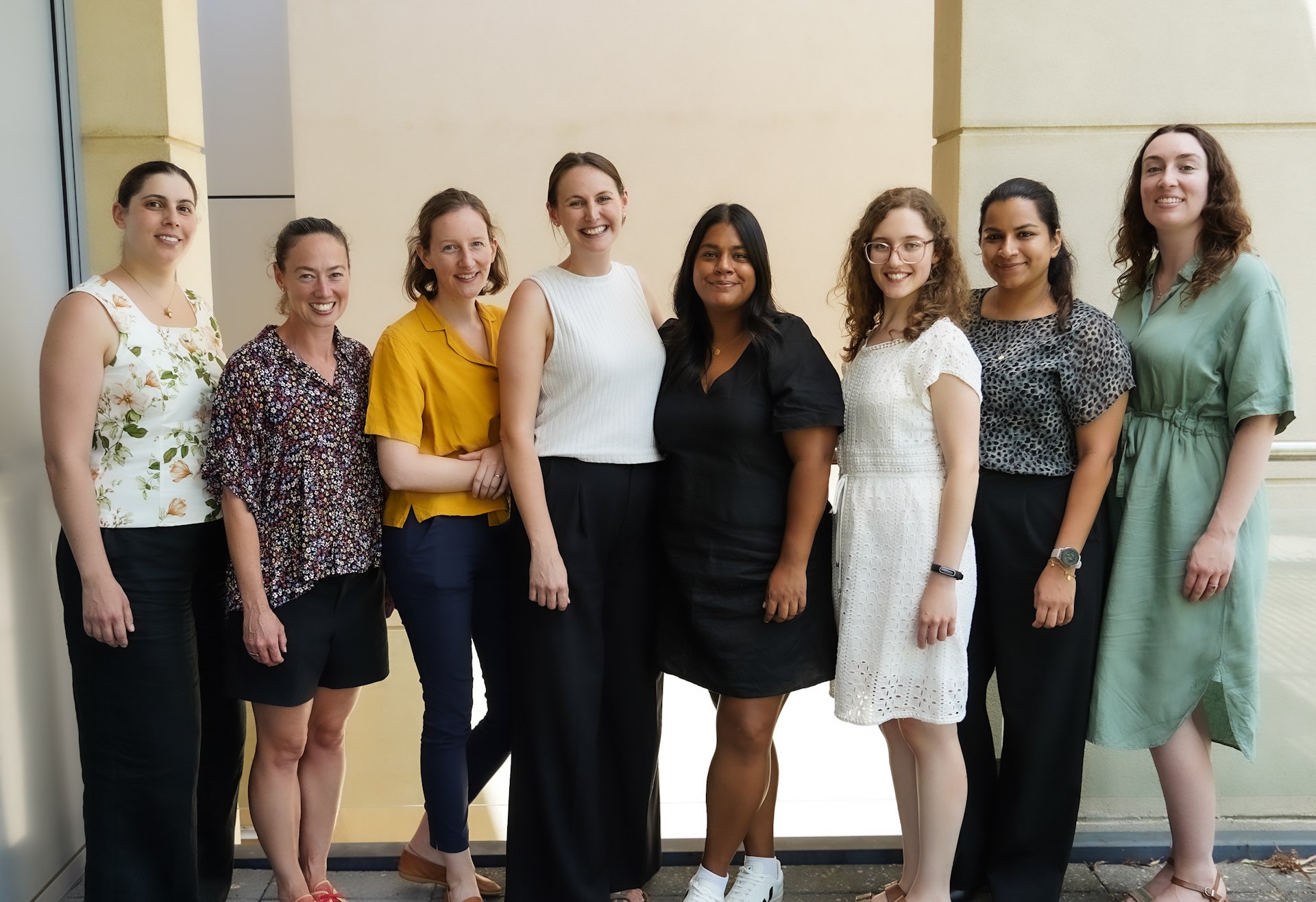
To celebrate International Day of Women and Girls in Science, we asked our research team to share why they became researchers, how autism became their focus and for their top tip for girls interested in pursuing a STEM career.
In Western Australia we have so far been remarkably successful in flattening the curve and preventing the community spread of COVID-19.
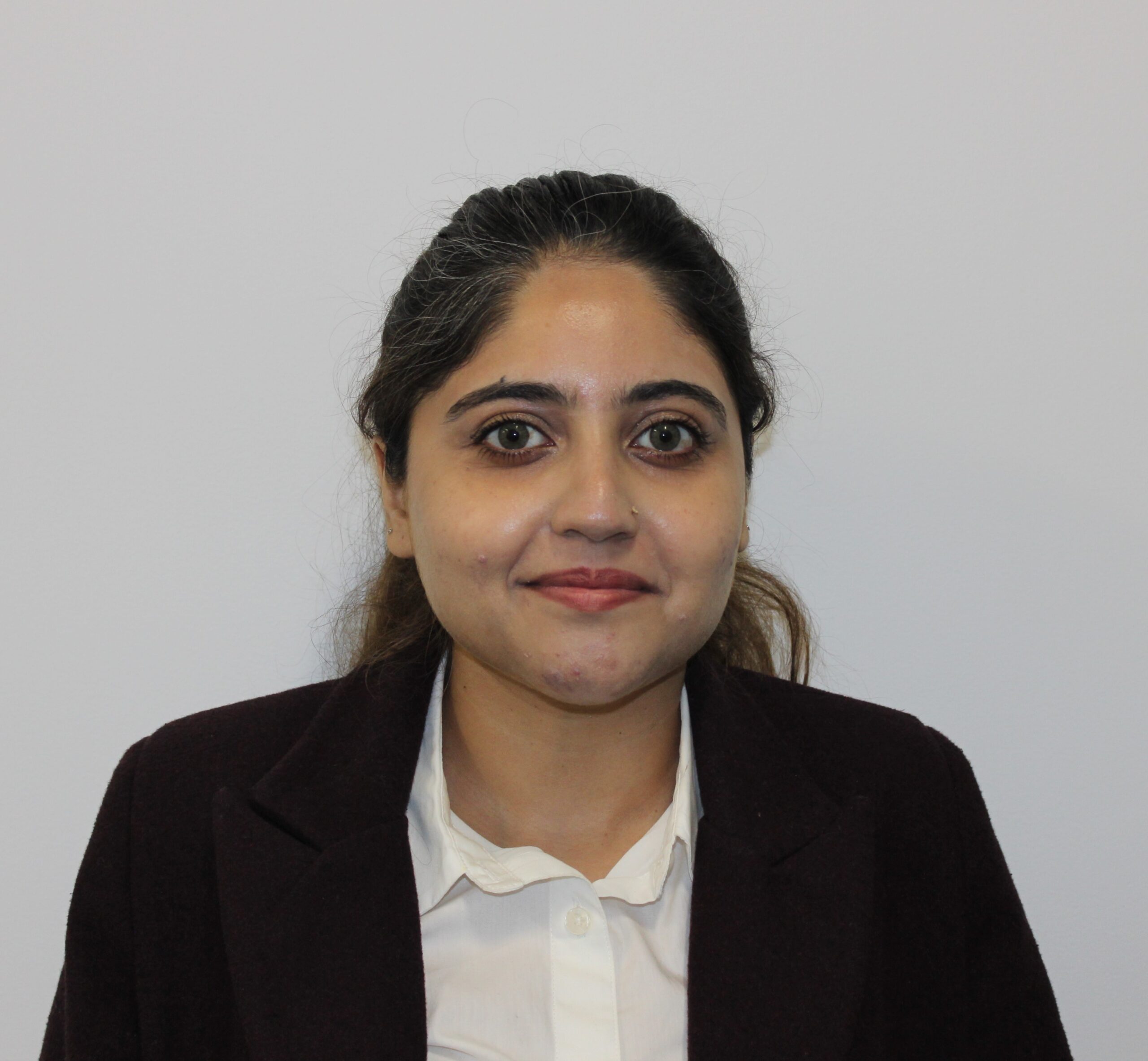
Research Assistant in the Child Physical Activity, Health & Development team at The Kids Research Institute Australia
Our maps provide visual insight into how the number and rate of Indigenous suicides can vary across the different regions of Australia.
Research Assistant
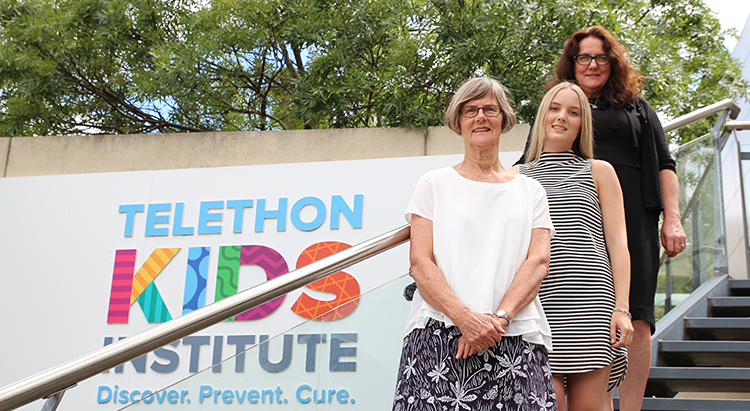
A ground-breaking The Kids Research Institute Australia study, which revealed that almost every young person being held in the Banksia Hill Detention Centre had some form of neuro-disability, has sparked concern and conversation across Australia and the world.
Many children do not accumulate sufficient physical activity for good health and development at early childhood education and care (ECEC). This study examined the association between ECEC organizational readiness and implementation fidelity of an ECEC-specific physical activity policy intervention.
The Raine Study is a long-running study looking at the health and well-being of a group of Western Australian families for over 35 years. Participants are at the heart of the study, shaping its research direction and communication. While participants have previously contributed to research grant development, they had not been directly involved in setting the Raine Study’s overall research agenda.