
Search
Showing results for "clinical trials"

14 important The Kids Research Institute Australia research projects have received support under the inaugural WA Near-miss Awards (WANMA) funding program.

The Leducq Foundation has bolstered an Australian-led bid to develop a Strep A vaccine, committing USD4.3 million to fund critical scientific work.
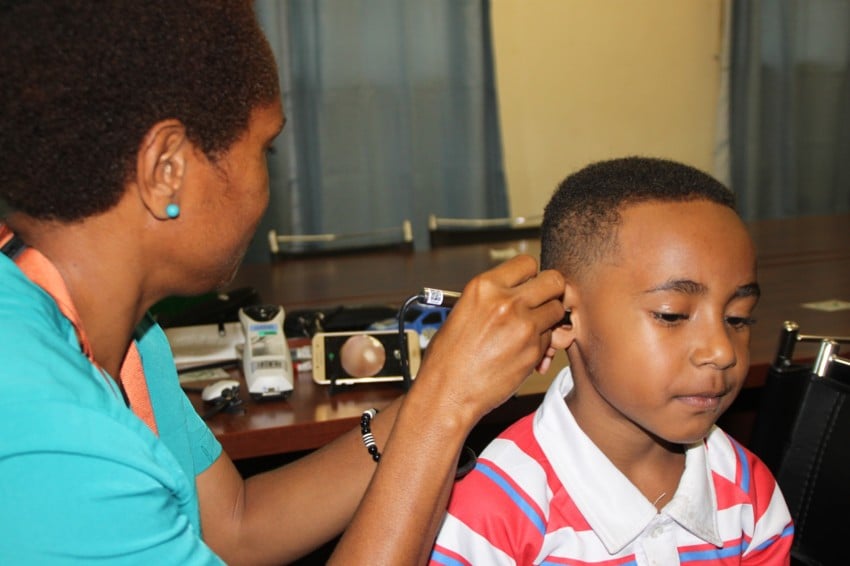
The first ever comprehensive study to estimate the prevalence of otitis media (OM) in Papua New Guinea (PNG) has revealed some of the world’s highest rates of childhood middle ear disease.
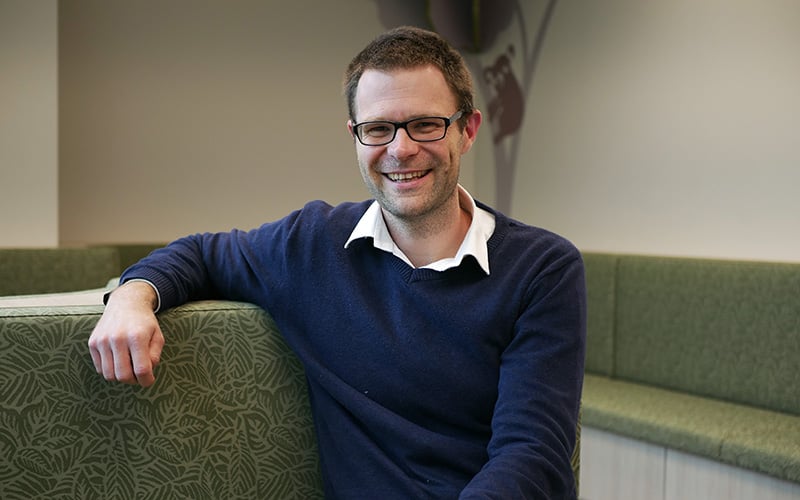
Professor Andrew Whitehouse has been inducted as the youngest-ever Fellow to the Australian Academy of Health and Medical Sciences.
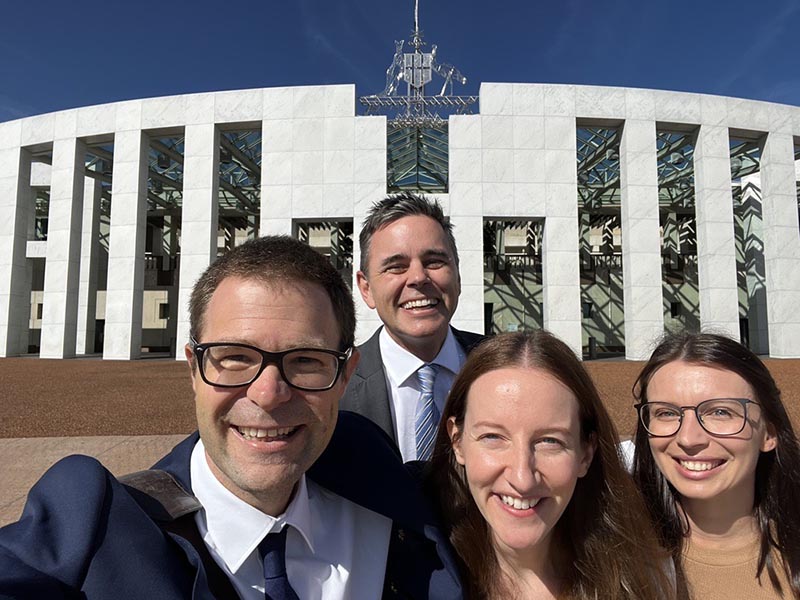
Australia’s first national guideline for supporting the learning, participation and wellbeing of autistic children and their families.
Participation in sport is associated with a range of physical, psychological, and social benefits. However, children in out-of-home care face complex barriers to sport participation, with lower participation rates than children in other household arrangements.
Children in out-of-home care participate in less organised sport than children from other household structures, potentially reducing opportunities for improvements in social, developmental, and health outcomes. Despite this, little is known about barriers and facilitators of sport participation for children in care. We aimed to explore carers' perspectives on the influences on children in care's participation and experiences in organised sport.
Building data linkage capabilities, and how linked databases can be used to identify persons with IDD and used for population-based research
Our findings illustrate the vulnerabilities of children born to foreign women from low and middle-income countries
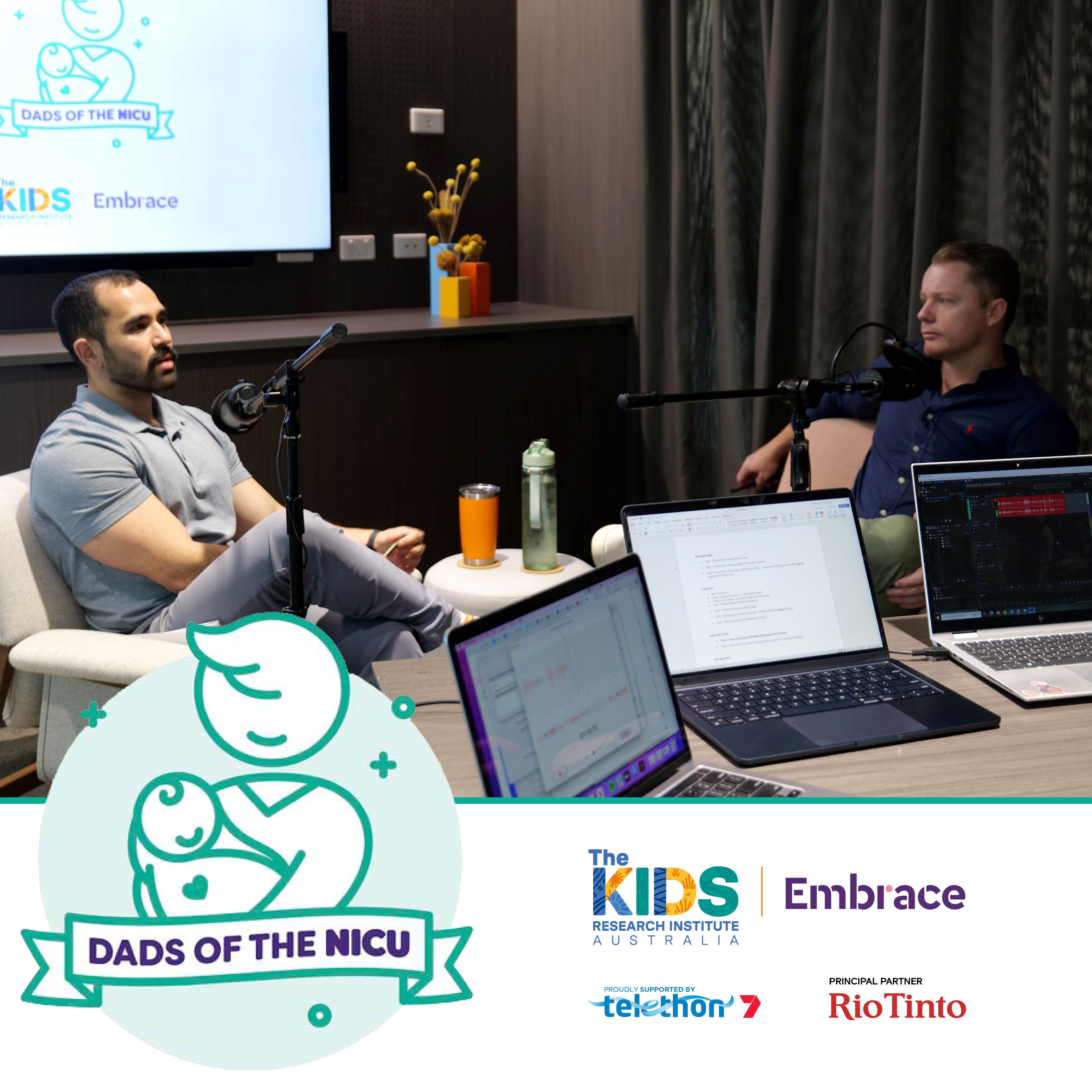
Dr Vincent Mancini interviewed by Dads of the NICU host Matt Bialkowski.