
Search
Showing results for "early lung health"
Respiratory syncytial virus (RSV) is a significant cause of respiratory infections in young children. Since 2021, RSV has been a notifiable disease in Australia. However, current surveillance systems focus on hospitalised RSV, with limited surveillance at a community level through primary care clinics. This approach only captures RSV requiring hospitalisation. Less severe illnesses, while not captured, may have significant social and economic impacts including the associated cost of care and absenteeism. The aim of this study is to establish an understanding of the broader burden of RSV in young children in a community setting.
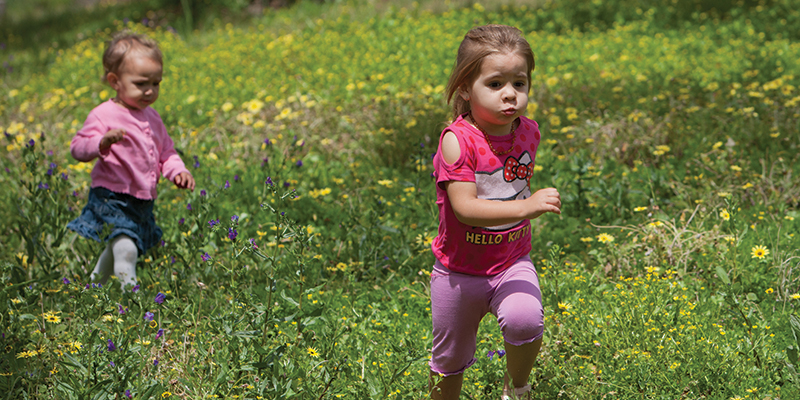
A child can’t thrive if they don’t have a roof over their head.
Western Australia has experienced historically low levels of respiratory syncytial virus (RSV) and influenza this winter due to the public health measures implemented to prevent the spread of COVID-19.
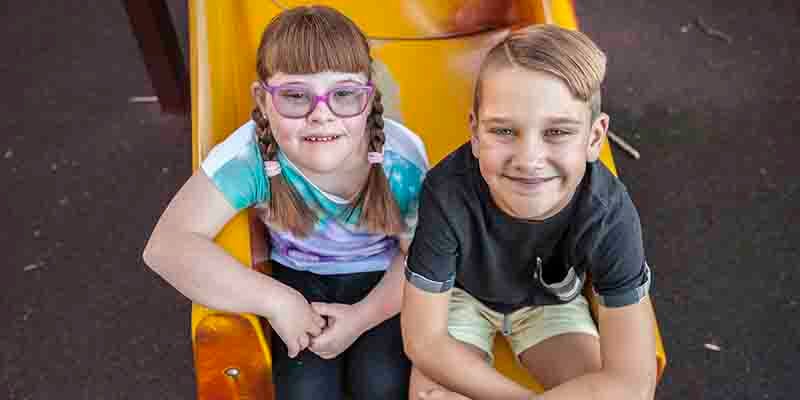
Every decision a child with type 1 diabetes makes can impact on their blood glucose levels.

Every decision a child with type 1 diabetes makes can impact on their blood glucose levels.
A research collaboration between Australia and Israel has identified a genetic variation that influences the severity of symptoms in Rett syndrome.
Trial of new vaccine that could provide women with additional protection against Human Papillomavirus (HPV) types known to cause cervical cancer.
The objective of this study is to compare the time trend of reported diagnoses of autism spectrum disorder, hyperkinetic disorder, Tourette's syndrome, and...
This paper describes dental and oral cavity admissions and associated factors in children under two years of age using total-population databases.
The increasing need for speech and language therapy (SLT) services, coupled with poor employment retention rates, poses serious cost-benefit considerations.