
Search
Showing results for "lung disease preterm"
Germline pathogenic variants in the RAS/mitogen-activated protein kinase (MAPK) signaling pathway are the molecular cause of RASopathies, a group of clinically overlapping genetic syndromes.
Cells undergo a major epigenome reconfiguration when reprogrammed to human induced pluripotent stem cells (hiPS cells). However, the epigenomes of hiPS cells and human embryonic stem (hES) cells differ significantly, which affects hiPS cell function. These differences include epigenetic memory and aberrations that emerge during reprogramming, for which the mechanisms remain unknown.
Kefyalew Alene BSc, MPH, PhD Head, Geospatial and Tuberculosis 0404705064 Kefyalew.alene@thekids.org.au Honorary Research Fellow Dr Kefyalew Alene

All The Kids Research Institute Australia Supply Partners demonstrate a genuine commitment to helping the Institute innovate and come up with solutions.
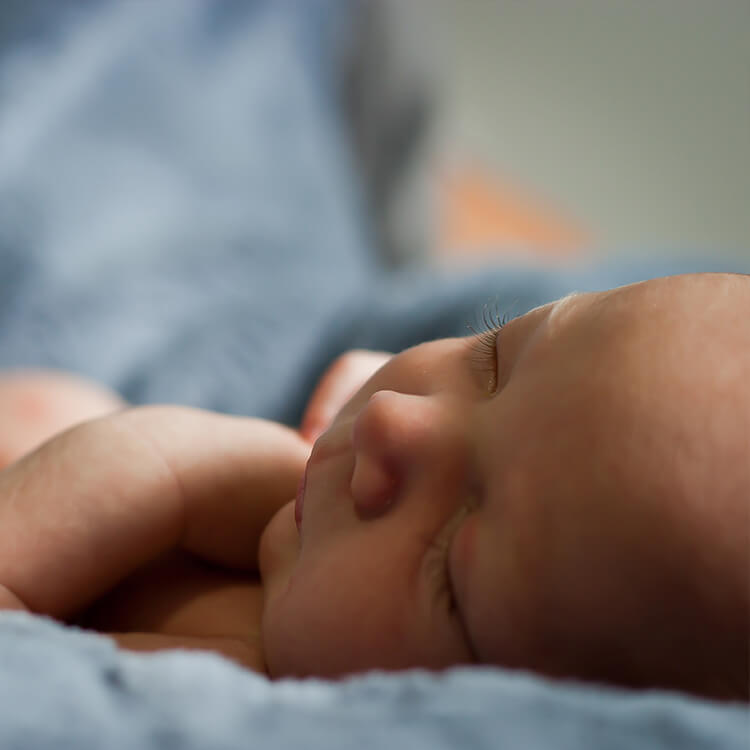
Perth researchers who were involved in an international study which examined two different techniques used to intubate newborns and young babies during surgery expect the findings to lead to a change in global practice.

CIRCA DIEM is using an inexpensive set of eye masks and ear plugs to teach babies born too soon how to tell the difference between night and day – a simple skill which could have lifelong implications for their health and development.
Middle ear infections are one of the main reasons that children visit a GP, are prescribed antibiotics and need surgery. Aboriginal children are particularly susceptible and commonly suffer from hearing loss which can affect speech and learning.

More than 3,000 skin checks have been undertaken as part of a large clinical trial in WA’s Kimberley region aimed at halving the burden of skin sores in school-aged Aboriginal children.
Following reduction of public health and social measures concurrent with SARS-CoV-2 Omicron emergence in late 2021 in Australia, COVID-19 case notification rates rose rapidly. As rates of direct viral testing and reporting dropped, true infection rates were most likely to be underestimated.
Encephalitis is inflammation of the brain parenchyma with heterogenous aetiology and presentation. In children, it often leads to short-term residual neurological deficits, however clinical predictors of adverse long-term outcome are not fully understood.