
Search
Showing results for "early lung health"
In children with Rett syndrome, this study aimed to (1) describe gross motor skill trajectories; and (2) analyse the influences of genetic variant and comorbidities. This was a prospective longitudinal study conducted at the Danish National Center for Rett Syndrome 2008 to 2022. The Rett Syndrome Gross Motor Scale (RSGMS) was administered, and clinical data collected at each visit.
Septo-optic dysplasia (SOD) is a major cause of congenital hypopituitarism and is known to be associated with overweight and obesity in up to 44% of children. Given the role of the hypothalamus in hormonal regulation, we sought to assess the association of resting energy expenditure (REE), appetite and physical activity with SOD.
Accurate knowledge of the relationship between craniofacial anomalies (CFA), intellectual disability (ID) and autism spectrum disorder (ASD) is essential to improve services and outcomes. The aim is to describe the association between CFA, ID and ASD using linked population data.
The present study investigated the relations among fetal testosterone, child socio-emotional engagement and language development...

New collaborative research involving almost 600,000 pregnant mothers has demonstrated a dramatic increase in uptake of the whooping cough (pertussis) vaccine after identifying just 22 per cent of WA women had the maternal vaccination between 2012 – 2017.
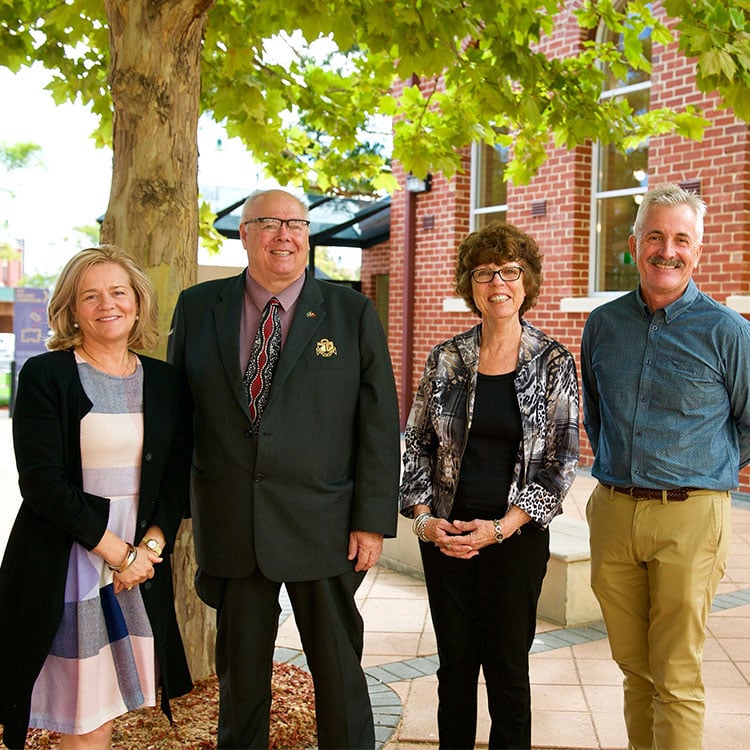
we the people worked with CoLab, a partnership between The Kids and Minderoo Foundation, to investigatethe needs of local families with children aged 0to8

About a third of young people in youth detention in Western Australia have Fetal Alcohol Spectrum Disorder (FASD), data has found.
The Bright Tomorrows app developed at The Kids Research Institute Australia aims to assist parents of children aged 0-5 years to support their child to develop the building blocks of several essential life skills.

Head, Early-life Microbial Immunology
This article examines the relationship between preschool quality and children’s early development in a sample of over 7900 children enrolled in 578 preschools in rural Indonesia.