
Search
Showing results for "early lung health"

Jo Lester, DiabHQ Steering Committee Member
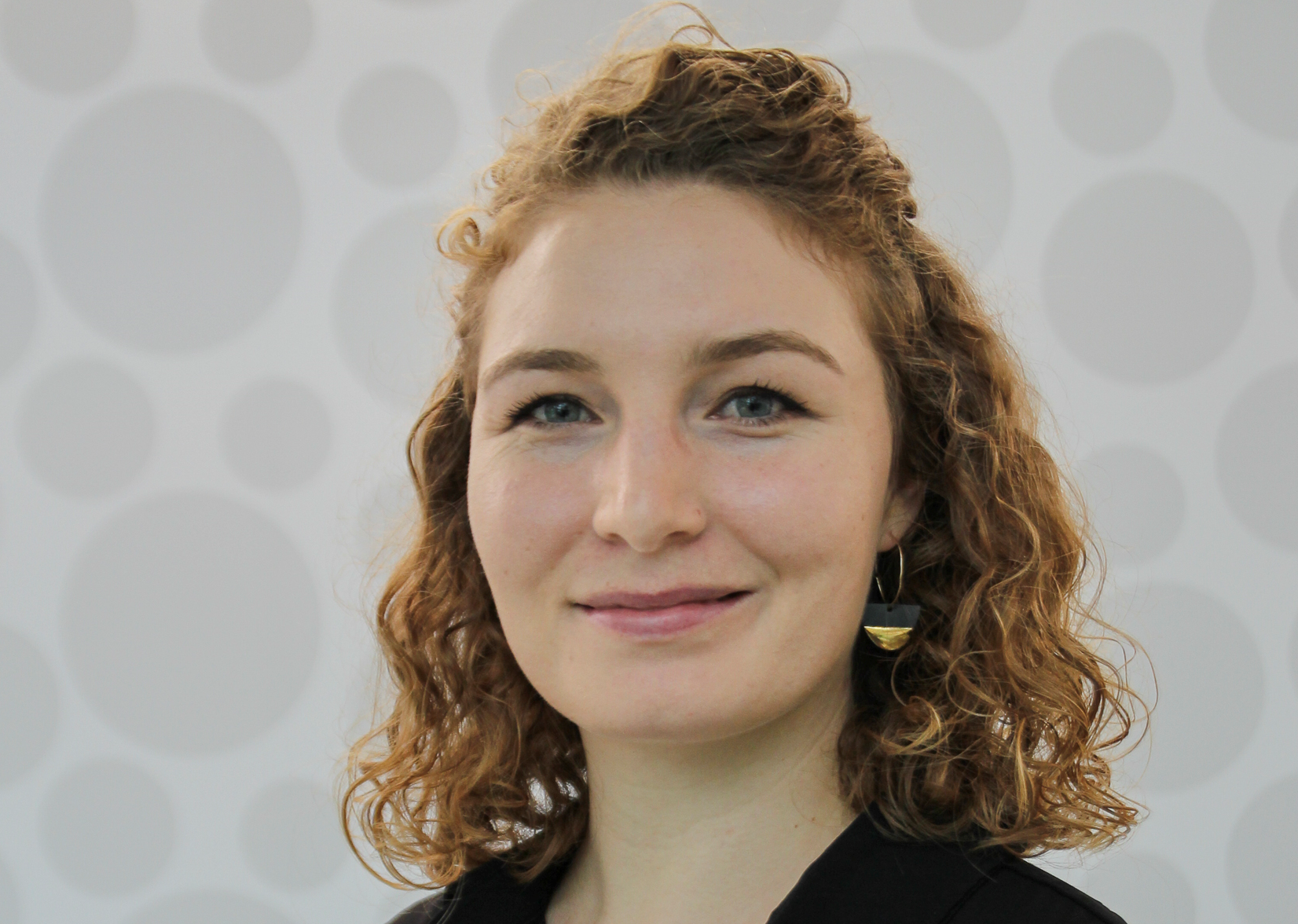
Embrace PhD top up award to help Elmie Janse van Rensburg tackle systemic inequalities through research into intergenerational trauma.
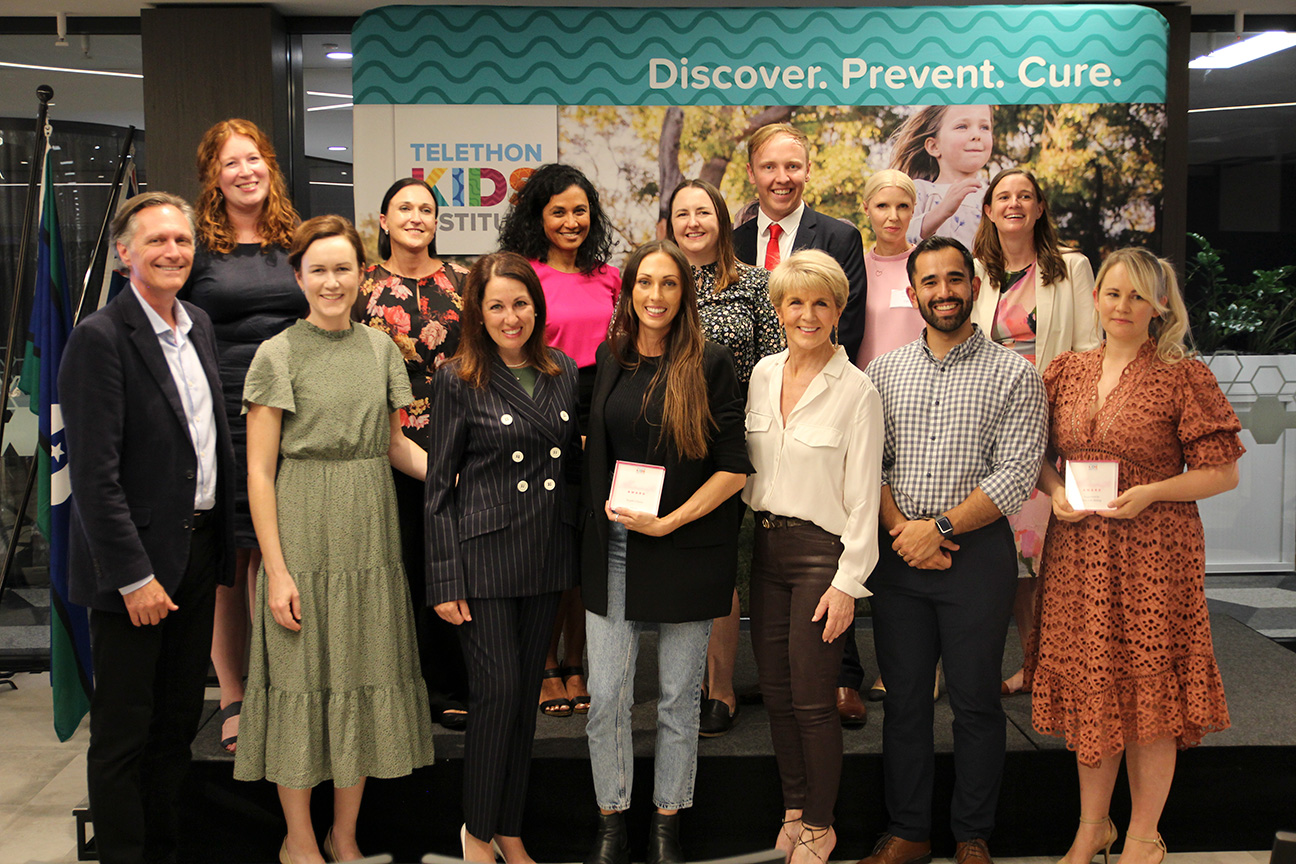
Ten researchers from different areas took to the stage with a carefully crafted presentation and three-minute pitch, in efforts to spark the interest of 80 guests
Helen Jenny Leonard Downs MBChB MPH BApplSci (physio) MSc PhD Principal Research Fellow Head, Child Disability +61 419 956 946 08 6319 1763
This paper aimed to describe the relationships between level of impairment and participation in community activities for girls and women with Rett syndrome.
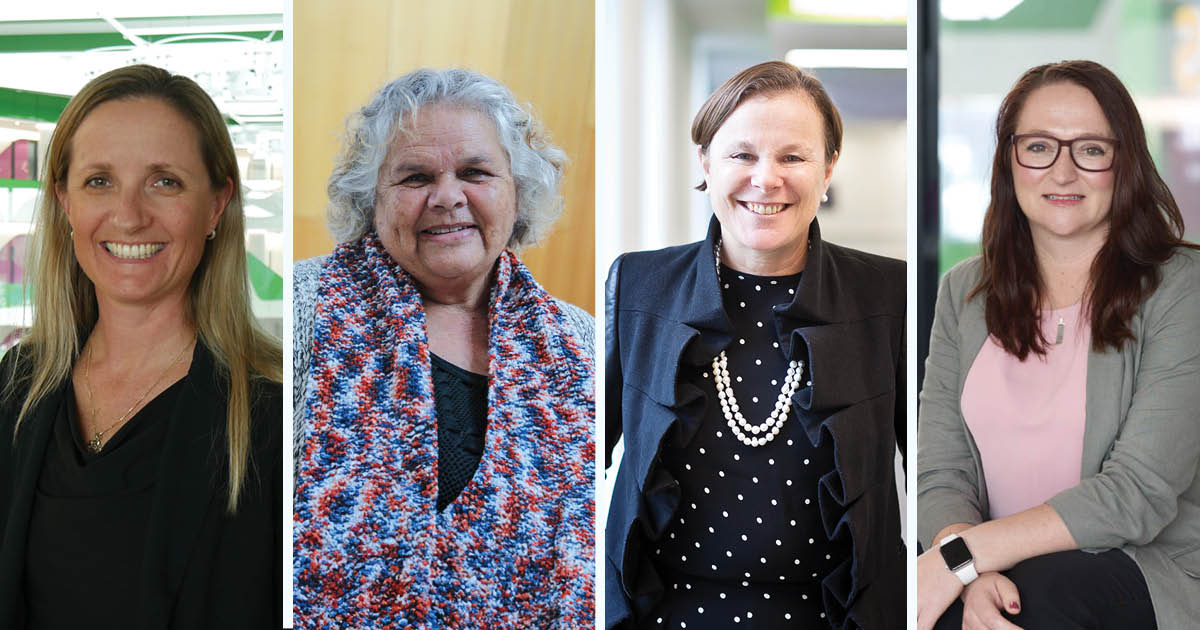
Four outstanding members of The Kids Research Institute Australia family – three researchers and an Aboriginal Elder co-researcher – have been named in the Australia Day Honours List for their outstanding service to research and the community.
Between 3rd - 5th May 2018, researchers from Australia, New Zealand, South Africa, and the United States (representing their Uganda collaboration) convened in Fremantle, Western Australia to attend the Strep A Spectrum Meetings: from Science to Strategy.
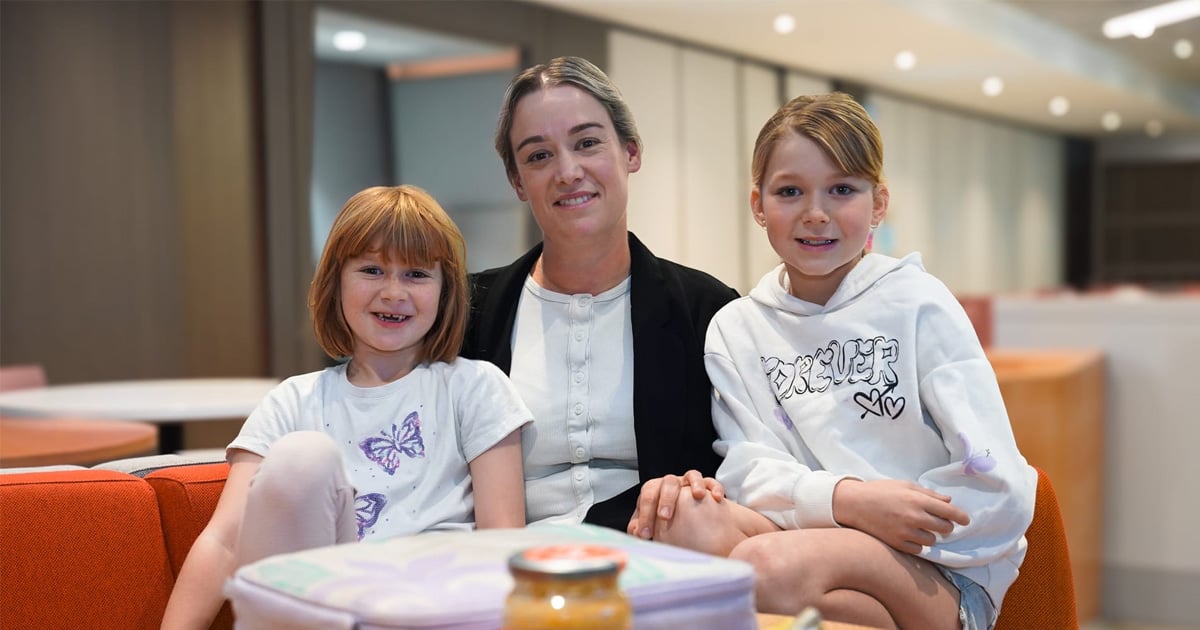
Families who introduce peanut butter and eggs to their baby’s diet at around six months of age can significantly reduce the chances of them developing a life-threatening allergy, according to a new study published in the Journal of Allergy and Clinical Immunology – In Practice.

Research that screens novel genetic variants identified in disease will be fast-tracked by a funding boost, offering new hope of an early diagnosis for families of children with a rare or undiagnosed genetic disease.

Today, and every day, we celebrate the inspiring female researchers, students and professional staff who work at The Kids Research Institute Australia, and the contribution they make to child health research in Australia.