
Several studies have established that patients with localized perinatal neuroblastoma can be safely observed; however, long-term outcomes have not be…

Each year in Australia, around 120 children are diagnosed with brain cancer, the leading cause of cancer-related death in young people.
Parents of children with acute lymphoblastic leukaemia (ALL) experience emotional distress throughout their child's treatment course. This study desc…
Acute lymphoblastic leukaemia is a highly heterogeneous malignancy characterised by various genomic alterations that influence disease progression an…
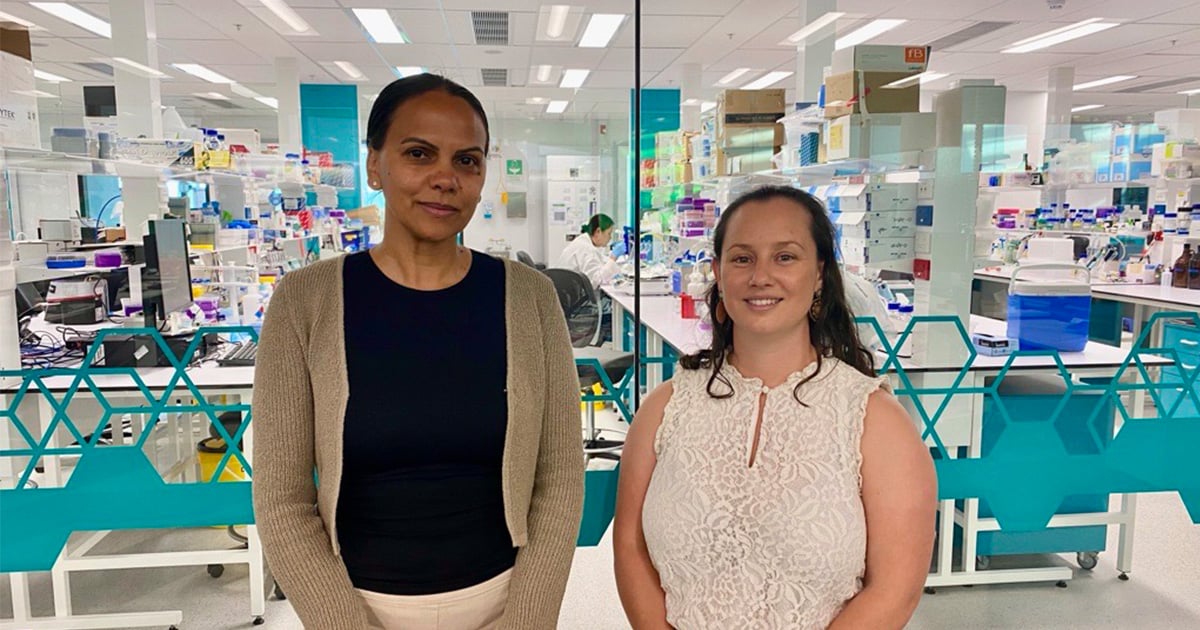
A review led by the First Nations Childhood Cancer team at The Kids Research Institute Australia has highlighted the urgent need for Indigenous-speci…
Paediatric cancer is the leading cause of disease-related death in Australian children. Limited research focuses on cancer in Aboriginal and Torres S…
Acute lymphoblastic leukaemia (ALL) is the most common paediatric malignancy and remains one of the most common causes of cancer-related death in chi…
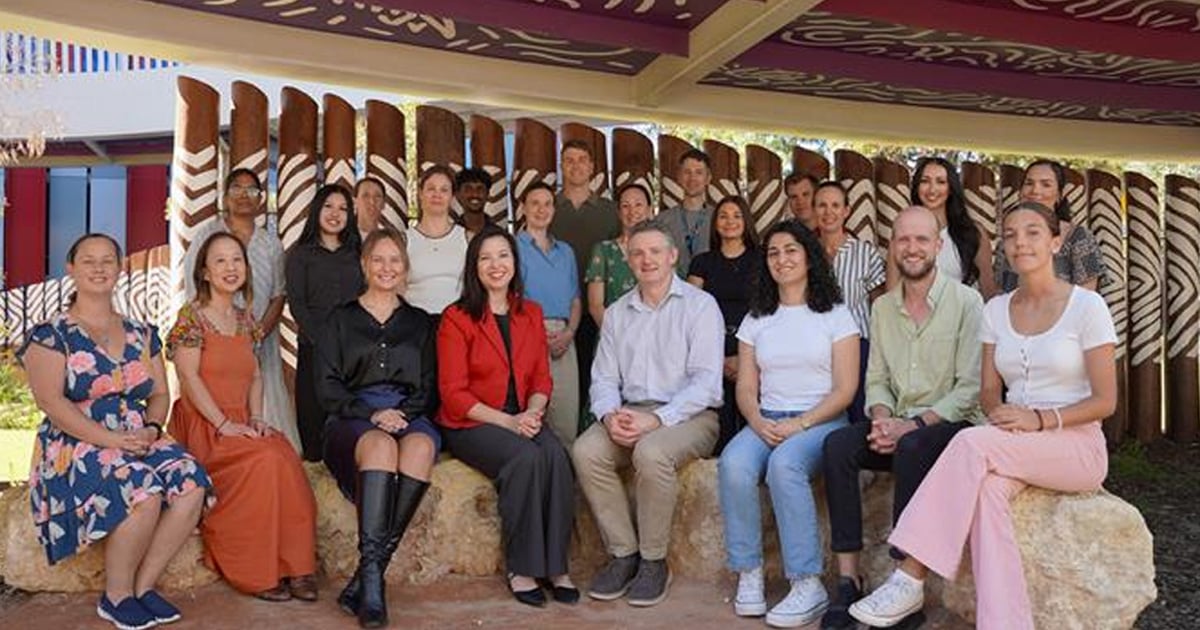
The Kids Research Institute Australia's Brain Tumour Research team will develop and implement cutting-edge technologies to revolutionise the speed of…
In pediatric cancer precision medicine clinical trials settings, parents proactively seeking treatment and answers to causation may request return of…
Childhood renal masses comprise a heterogeneous group of conditions that have a wide range of presentations. This review outlines an approach to the…