
Search
Showing results for "early childhood"

Senior Research Officer from The Kids Research Institute Australia’s Human Development and Community Wellbeing team, Robyn Johnston, says now is actually a good time to start talking to them about alcohol - before they transition to the teenage years.
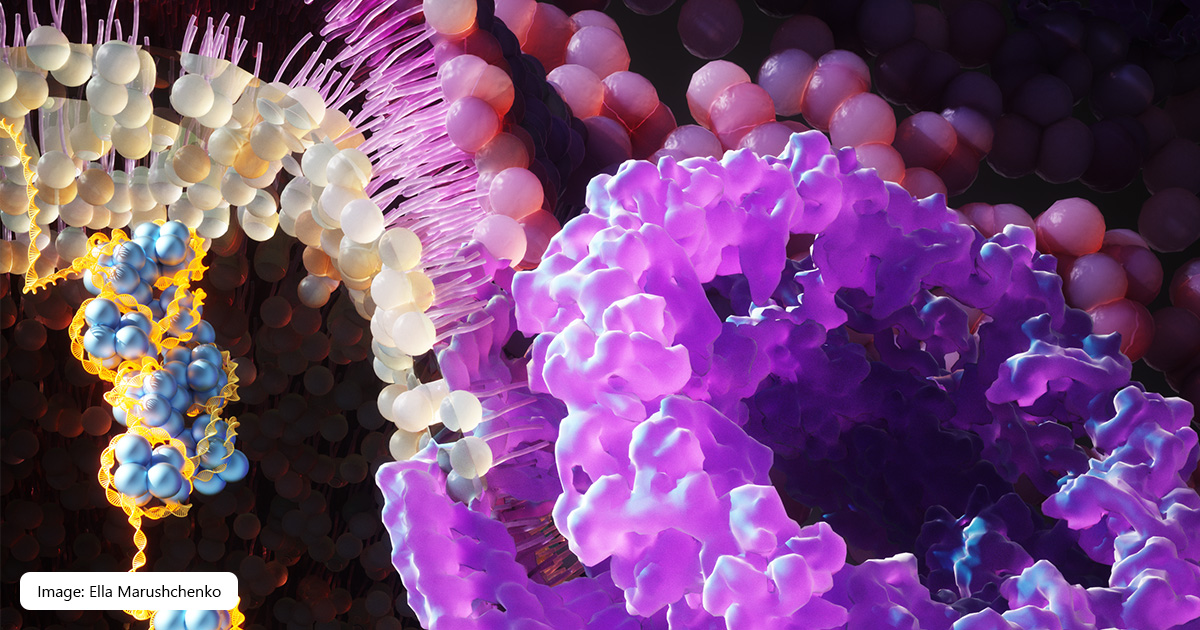
Australian researchers have developed a new method to ‘wipe the memory’ of reprogrammed human cells to better mimic embryonic stem cells, in a discovery that has significant implications for the treatment of several serious diseases.
This longitudinal, prospective study investigated the association between maternal vitamin D status and peak bone mass of offspring in 341 mother and...
In summary, UV-BMDCs do not express the classical phenotypic or gene expression properties of DCs reported by others as 'regulatory' or 'tolerogenic'.
This is the first study to link low gestational vitamin D to increased eating disorder risk in female offspring of Caucasian mothers.
Injection of BM-differentiated DCs from nonchimeric mice restored the reduced immune responses of PGE2-chimeric mice.
Vitamin D is synthesised by ultraviolet (UV) irradiation of skin and is hypothesized to be a direct mediator.
To identify links between drug resistance and gene deregulation we used oligonucleotide microarray technology.
The cure rate for pediatric patients with B precursor acute lymphoblastic leukemia (pre-B ALL) is steadily improving, however relapses do occur despite...

The Imogen Miranda Suleski Fellowship is an annual award for early-career post-doctoral researchers at The Kids Research Institute Australia.