
Search
Showing results for "early lung health"
Asha Jonathan Bowen Carapetis AM BA MBBS DCH FRACP PhD GAICD FAHMS OAM AM MBBS FRACP FAFPHM PhD FAHMS Head, Healthy Skin and ARF Prevention Co-Head,
Treatment success for scabies co-infection was lower than for impetigo overall, with a higher success seen in the co-trimoxazole group than benzylpenicillin
Immediate plating of impetigo swabs is the gold standard for bacterial recovery but is rarely feasible in remote regions.
The Group A β-hemolytic Streptococcus pharyngeal carriage rates seen in Uganda (15.9%) are higher than the most recent pooled results globally, at 12%
We overview the changing epidemiology of Group A Streptococcus infections and the genetic alterations that accompany the emergence of Group A Streptococcus strains
Impetigo or skin sores are estimated to affect >162 million people worldwide. Detailed descriptions of the anatomical location of skin sores are lacking.
Following a relative absence in winter 2020, a large resurgence of respiratory syncytial virus (RSV) detections occurred during the 2020/2021 summer in Western Australia. This seasonal shift was linked to SARS-CoV-2 public health measures. We examine the epidemiology and RSV testing of respiratory-coded admissions, and compare clinical phenotype of RSV-positive admissions between 2019 and 2020.
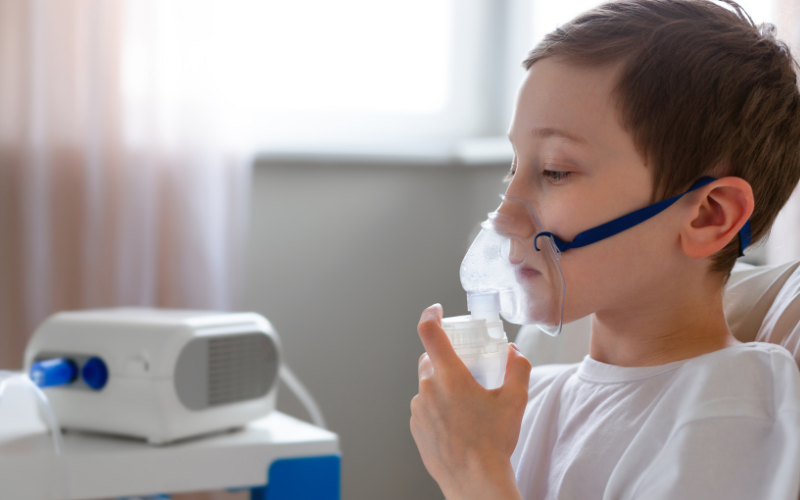
Flare-ups of asthma are usually brought on by respiratory infections, such as the common cold, and are one of the most common reasons for a child to miss school or require emergency care.
The most urgent areas appear to be to continue monitoring the emergence of novel otopathogens, and the need to develop prevention and preventative therapies

Head, Early-life Microbial Immunology