
Search
Showing results for "lung disease preterm"
A lifestyle intervention starting in the first-trimester pregnancy utilising e-health mode of delivery is feasible
Maternal pre-pregnancy obesity has been linked with an increased risk for negative emotionality and inattentiveness in offspring in early childhood.

WA parents and carers can have confidence in sending their children back to school on January 31 with the measures outlined in today’s Safe Return to School Plan.
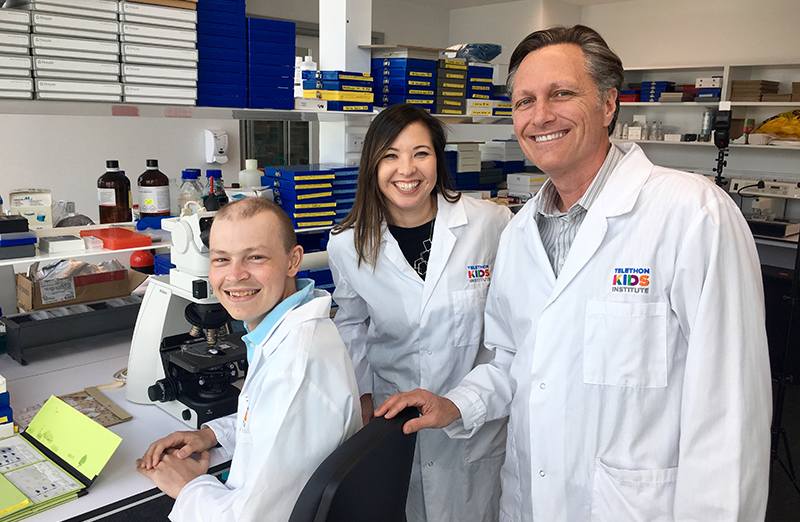
The Kids Research Institute Australia and Perth Children’s Hospital will lead an international clinical trial of a novel drug combination they hope will increase cure rates for one of the most aggressive forms of childhood brain cancer.
The COVID-19 pandemic has exposed many uncertainties and incorrect assumptions about respiratory pathogen transmission.
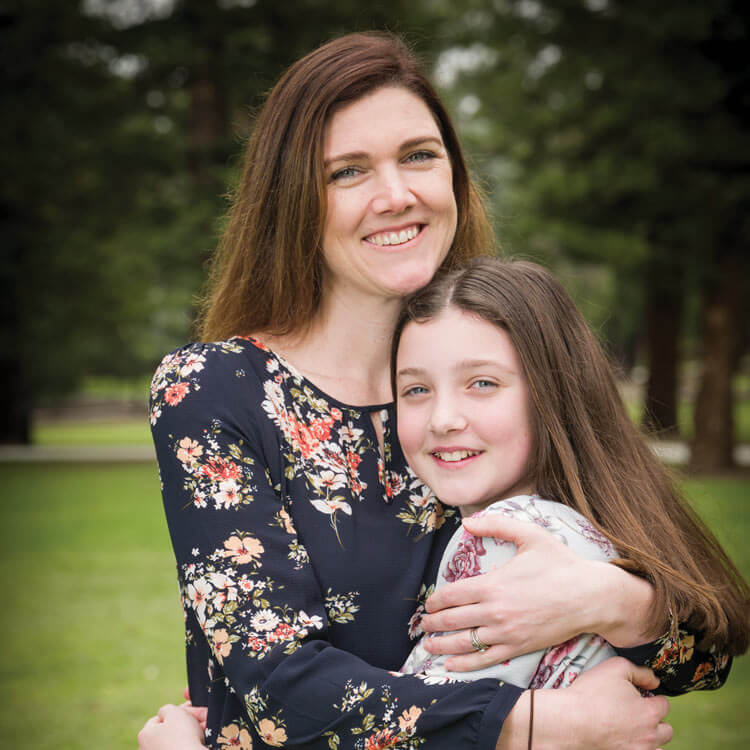
For the parent of a child living with diabetes, sleep no longer represents the relaxing slumber that it used to.
Food allergies have become more common in our community, with up to one in ten young children now affected. Reactions can range from mild hives to life threatening anaphylaxis and breathing difficulties. The most common food allergies are to egg, peanut, tree nuts, cow’s milk, fish, shellfish, sesame, wheat and soy.
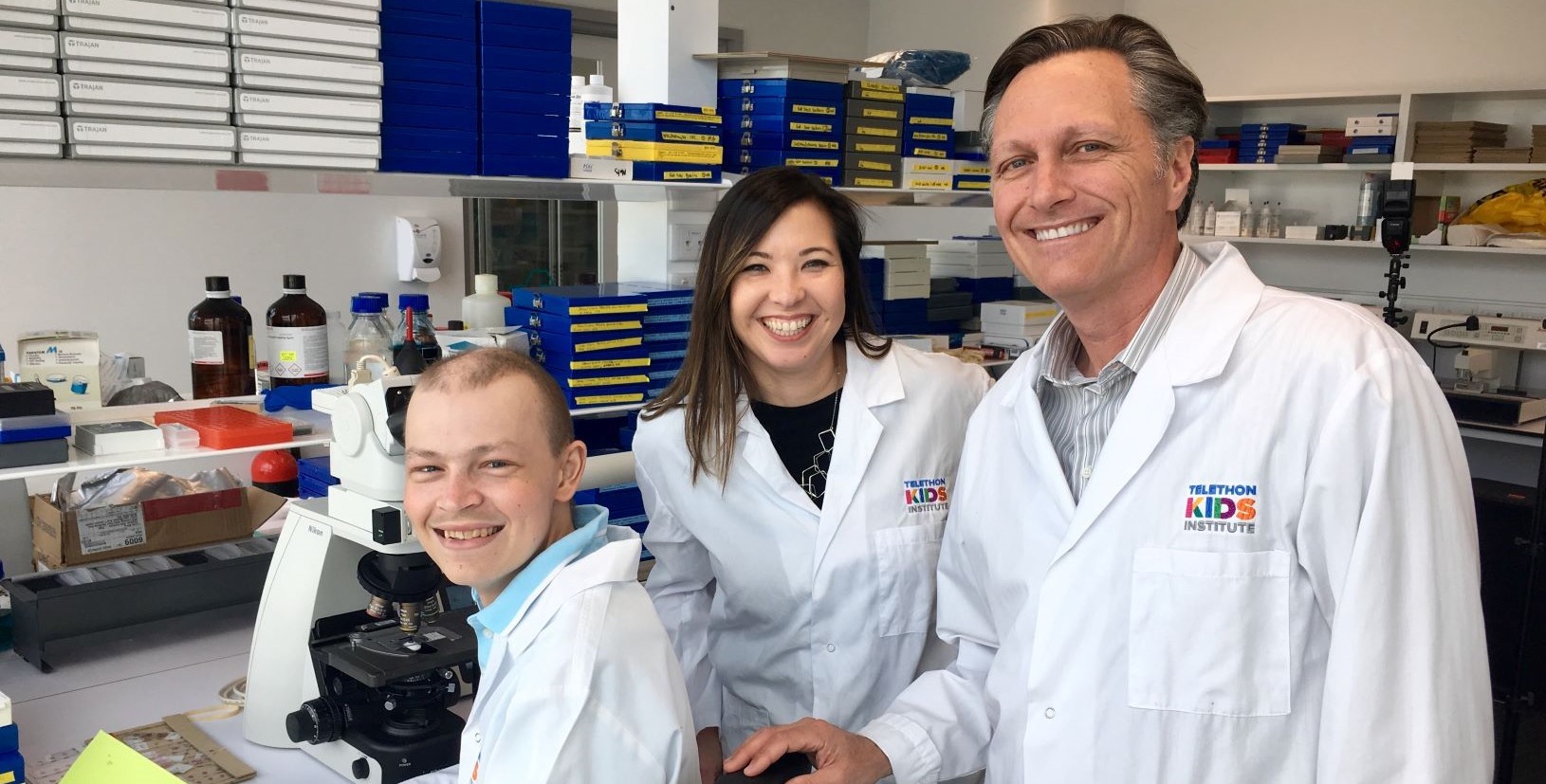
An international clinical trial led by The Kids Research Institute Australia Cancer Centre is trialling a drug which could increase cure rates for aggressive forms of childhood brain cancer.
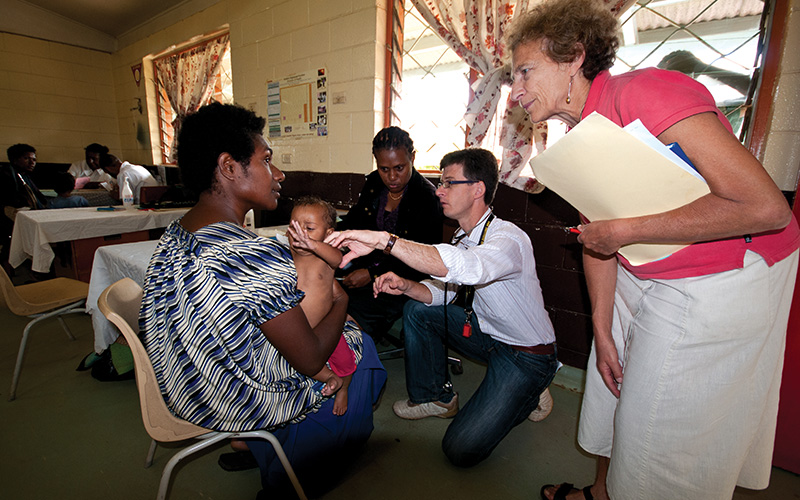
New research has revealed the extraordinary impact of a collaborative project between The Kids Research Institute Australia and the Papua New Guinea Institute of Medical Research, with rates of hospitalisation for pneumonia dropping by nearly 60 per cent thanks to the introduction of the pneumococcal vaccine
Gram-negative bloodstream infections (GNBSIs) more commonly occur in children with comorbidities and are increasingly associated with antimicrobial resistance. There are few large studies of GNBSIs in children that relate the clinical presentation, pathogen characteristics, and outcomes.