
Search
Showing results for "early lung health"
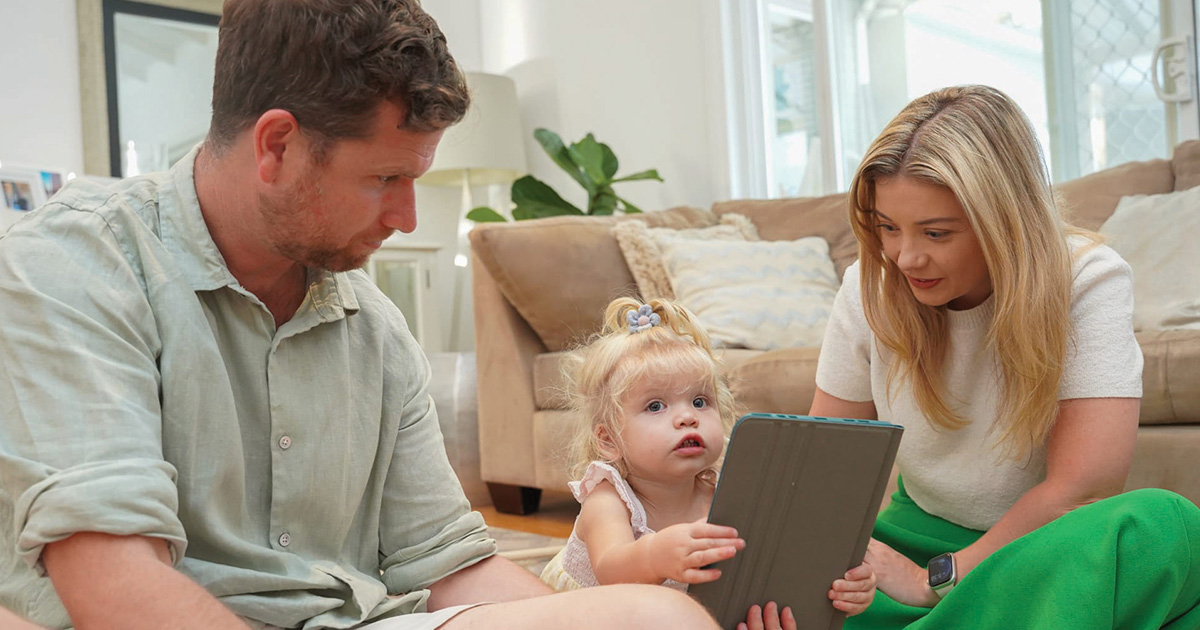
Toddlers exposed to screen time at home are hearing fewer words and making fewer vocalisations, findings from the first longitudinal study to measure the relationship between family screen use and children’s language development have shown.
To investigate survival up to early adulthood for children with intellectual disability and compare their risk of mortality with that of children without intellectual disability.
During the early phases of the 2009 pandemic, subjects with influenza-like illness only had laboratory testing specific for the new A(H1N1)pdm09 virus.
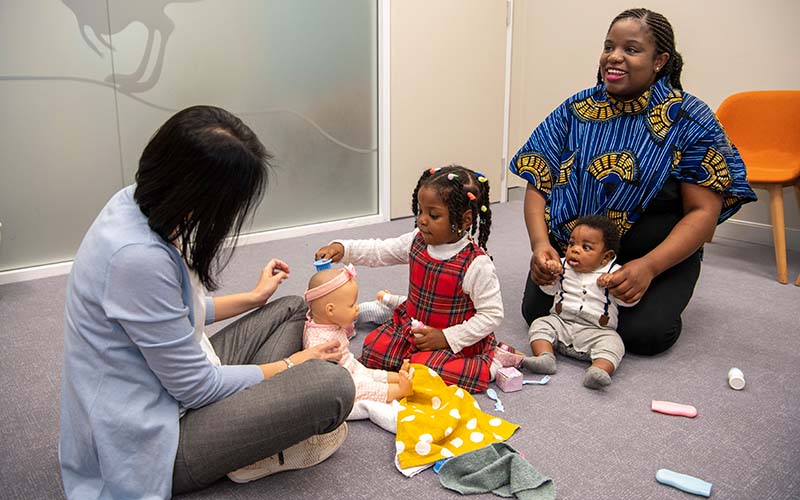
The Kids' autism research takes place at CliniKids, a centre that integrates world-class research with a clinical service for children with developmental delay and/or autism and their families.
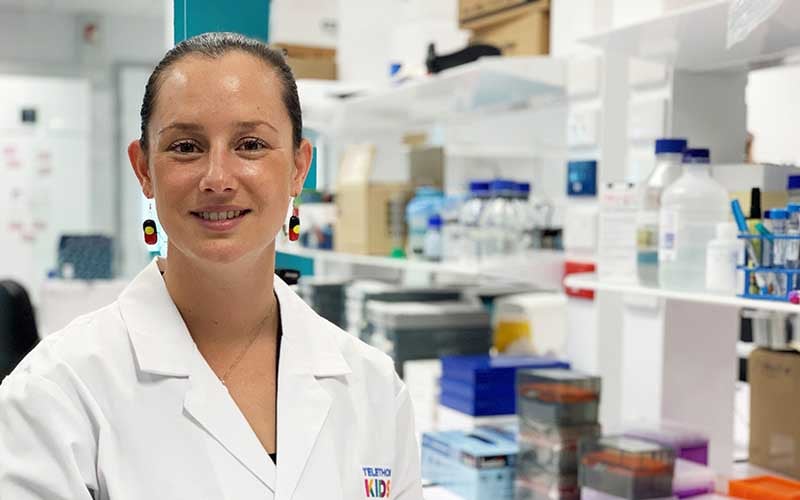
Outstanding Aboriginal researcher Jessica Buck has received a prestigious Forrest Foundation Research Fellowship to investigate innovative new therapies for children with brain cancer.
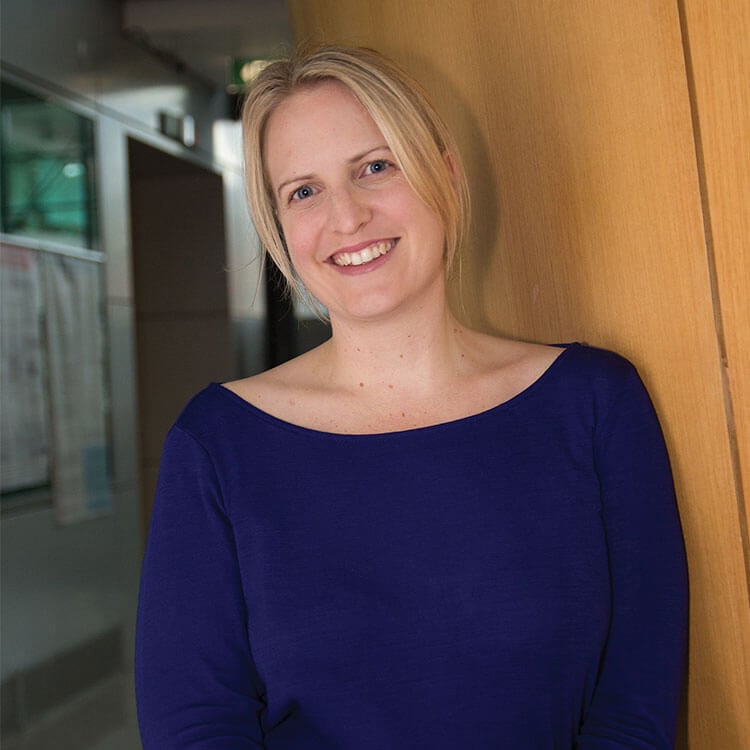
An InFocus Research Interview with Kirsten Hancock of the Human Capability Team at The Kids Research Institute Australia on multigenerational disadvantage in Australia.
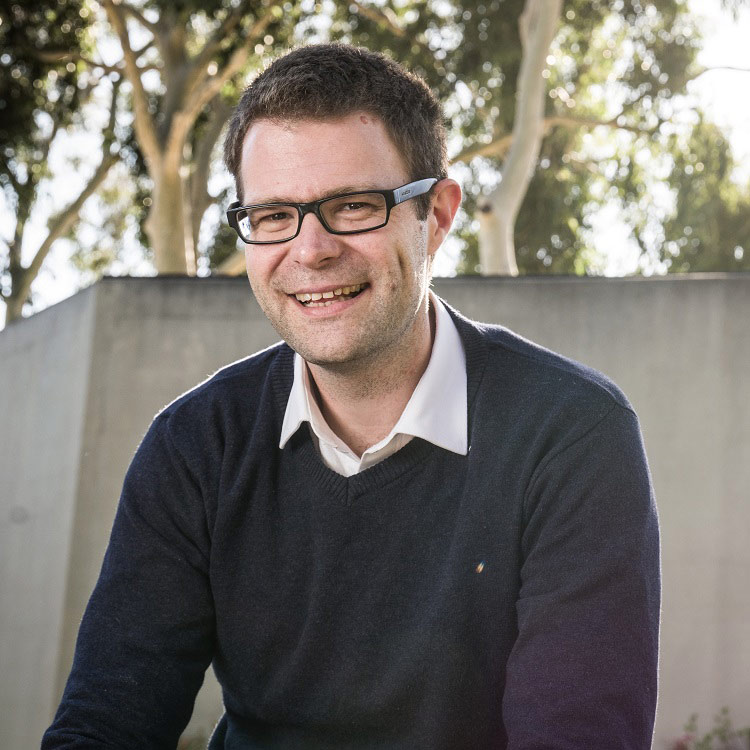
Professor Andrew Whitehouse awarded the most prestigious award in the country for young researchers – the 3M Eureka Prize for Emerging Leader in Science.
We are in a new era of T1D care. We can now identify and provide care for people across a spectrum of T1D, from early-stage T1D to symptomatic insulin requiring T1D (Stage 3 and Stage 4). And for the first time since the discovery of insulin over 100 years ago, Australia has approved a new therapy, Teplizumab.

In this blog, Speech Pathology Clinical Lead Aria May looks at telehealth and how it can support children and families with their therapy goals.
We conducted a comprehensive, systematic review of the global childhood population prevalence of impetigo and the broader condition pyoderma.