
Search
Showing results for "Childhood interstitial lung disease "
Although evidence supports clinicians to "safely do less" for febrile infants assessed as low risk of serious bacterial infection (SBI), early discharge may increase caregiver concern and reduce satisfaction with care. We captured the self-reported satisfaction and concerns for families enrolled in the study of fever, blood cultures and readiness for discharge in infants less than 3 months old (FeBRILe3), a prospective safety assessment of early discharge of low-risk febrile infants, to aid evaluation of this practice.
Enteroviruses (EVs) have long been implicated in the development of islet autoimmunity (IA) and type 1 diabetes. However, given the ubiquity of EV infections in children, disease susceptibility is likely driven by host-specific immune responses rather than viral exposure alone.
Nirsevimab is a long-acting monoclonal antibody used to prevent respiratory syncytial virus (RSV) infection in infants and high-risk children. During the 2024 RSV season in Western Australia, 21 922 doses were administered to infants entering their first season and 1221 doses to at-risk children. In this context, the selection and spread of escape variants are a potential concern. This study aimed to investigate nirsevimab binding site mutations using clinical and wastewater data.
Tools that can be used to collect behavioural data during pandemics are needed to inform policy and practice. The objective of this project was to develop the Your COVID-19 Risk tool in response to the global spread of COVID-19, aiming to promote health behaviour change. We developed an online resource based on key behavioural evidence-based risk factors related to contracting and spreading COVID-19. This tool allows for assessing risk and provides instant support to protect individuals from infection.
Invasive mould infection (IMI) is a major cause of morbidity and mortality in immunocompromised children. Outcomes for paediatric patients with IMI remain poor, due in part to the limitations of available diagnostic tools and therapeutic agents.
Primary aim was to review severe acute respiratory infections (SARI) hospitalisations caused by respiratory syncytial virus (RSV) in children aged < 2 years in paediatric hospitals in Australia. Secondary aims included RSV subtyping, assessing RSV seasonality and contributing to the World Health Organisation's RSV surveillance programme.
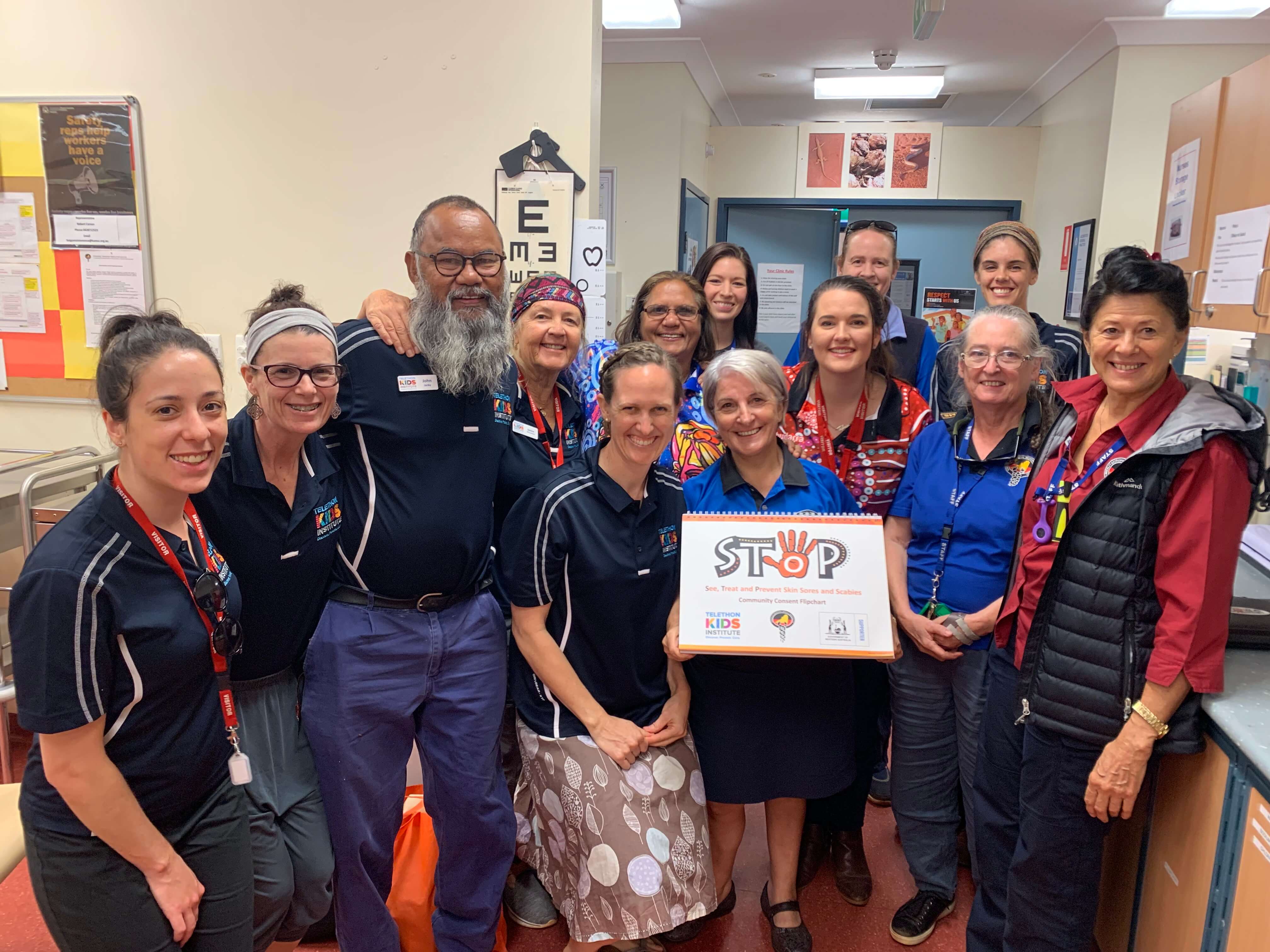
Six weeks, nine community visits and 380 kids – it’s a wrap for round one of the StoP Trial!
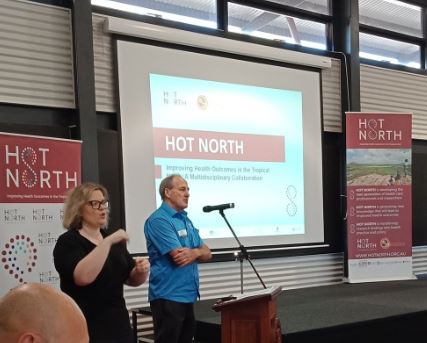
Over 100 researchers and health professionals from around Australia have united in Broome this week to address the major health battles facing people living in the tropical north of the country.
The main aim of the study is to provide timely surveillance data to public health authorities on severe influenza.
Glenn Pearson BA (Education) PhD Candidate Director of First Nations Strategy and Leadership; Head, First Nations Health and Equity Research Director