
Search
Showing results for "clinical trials"
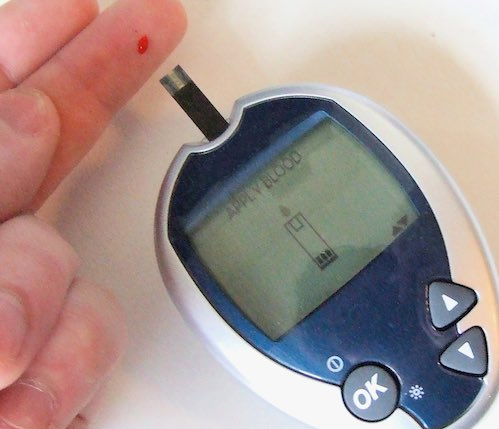
It’s time to back off from the fear-mongering around severe hypoglycaemia, according to Children's Diabetes Centre researchers who point to increasing evidence that improved glycaemic control in children with type 1 diabetes is not associated with increasing rates of hypoglycaemia.
Information on presence and age at onset of seizures, perinatal and developmental history, and genetic status was abstracted on 275 cases in the Australian...
To examine the prevalence, cumulative incidence, and survival in an Australian cohort with Rett syndrome (RTT).

Professor Ryan Lister and Associate Professor Timo Lassmann are celebrating their success in being awarded $6M in the Medical Research Future Fund 2026 National Critical Research Infrastructure (MRFF NCRI) scheme.

A USD $3.25 million international grant will see researchers from The Kids Research Institute Australia and The University of Western Australia play a pivotal role in accelerating the development of next-generation malaria vaccines, helping protect children from one of the world's deadliest infectious diseases.
Streptococcus pyogenes (Group A Streptococcus, Strep A) is a Gram-positive bacterium and one of the most significant global bacterial pathogens, with disproportionate disease burden affecting low and middle-income countries. Despite substantial mortality and immune sequelae caused by Strep A, no licensed vaccines exist, and correlates of protection remain unestablished.
During winter months of temperate regions, concurrent epidemics of multiple respiratory pathogens can occur, causing periods of increased clinical burden. Case time series, which are predominantly used to monitor infection levels, can exhibit substantial noise and day-of-the-week effects, limiting the visual interpretation of trends in raw data.
Assessment of motor competence is critical for planning and monitoring children's development. However, many assessment tools require time, training, and resources not available to most teachers. We aimed to evaluate the external aspect of construct validity of a rapid product-oriented fundamental movement skill assessment tool designed specifically for primary education settings.
A considerable proportion of patients with type 1 diabetes (T1D) experience emotional problems due to the continual demands of the disease, which may persist throughout life without appropriate support. The aim of this study was to assess the feasibility and acceptability of an Acceptance and Commitment Therapy (ACT) intervention and provide early indications of its capacity to impact psychosocial outcomes for adolescents with T1D.
Transgender and gender diverse (“trans”) people are more likely to experience adverse mental health outcomes due to the social adversities that are commonly experienced. One ameliorating factor for poor mental health outcomes can be connection to community, often facilitated in online spaces such as TikTok.