
Search
Showing results for "clinical trials"
Up to one-third of young people live with chronic physical conditions (eg, diabetes, asthma, and autoimmune disease) that frequently involve recurrent pain, fatigue, activity limitations, stigma, and isolation.
Pre-clinical studies developing novel therapies to prevent cancer recurrence require appropriate surgical models. Here, we present a protocol for surgical debulking of subcutaneous tumors in mice, which allows for intraoperative application of immunotherapy-loaded biomaterials.
Physical literacy development in early childhood, viewed by many as the foundation for lifelong physical activity engagement, is significantly influenced by parents. Our aim was to explore parents' understanding of physical literacy and gain insight into their perspectives on physical literacy promotion.
Children with congenital heart defects (CHDs) are at higher risk of developing an intellectual disability. However, severity of intellectual disabilities among this group of children are largely unknown. Our objective was to determine the risk of intellectual disability (ID), ID severity, and autism among children with CHDs.
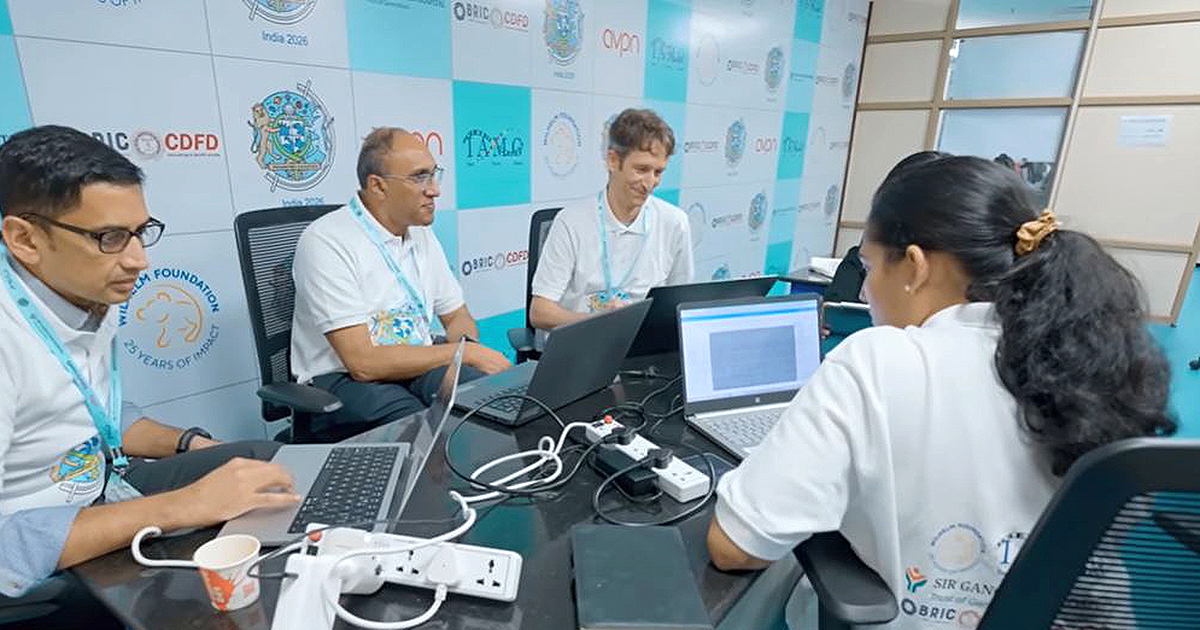
In 2026, Rare Disease Day is recognised on 28 February to raise awareness and generate change for people living with rare disease, their families and carers worldwide. This year’s global theme, More than you can imagine, highlights the immense impact of rare disease on families across the world.
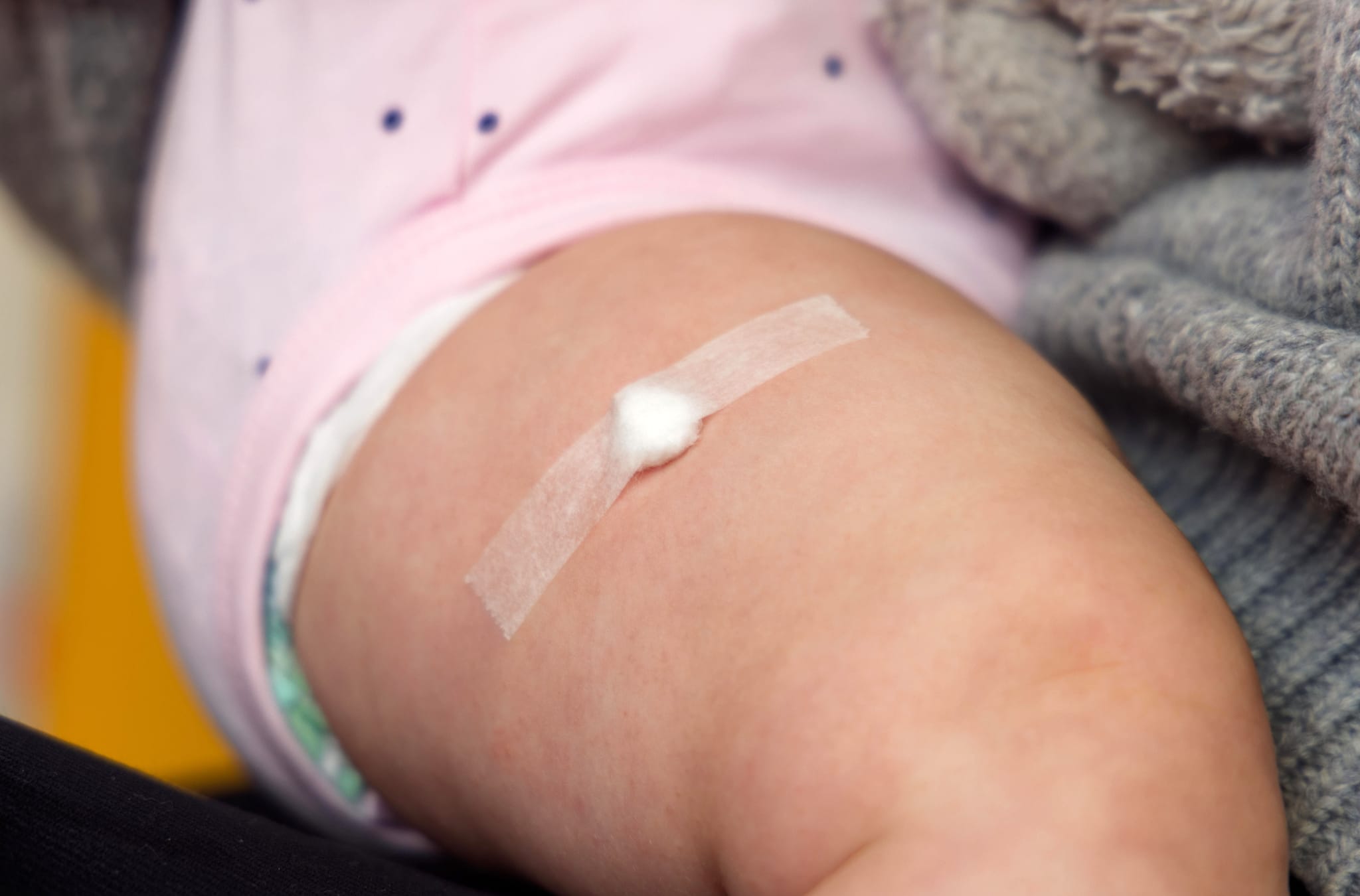
10,000 families participating in research by The Kids Research Institute Australia have demonstrated the effectiveness of a simple text message for increasing the number of children receiving their vaccinations on time.
New hope is on the horizon for people living with cystic fibrosis.
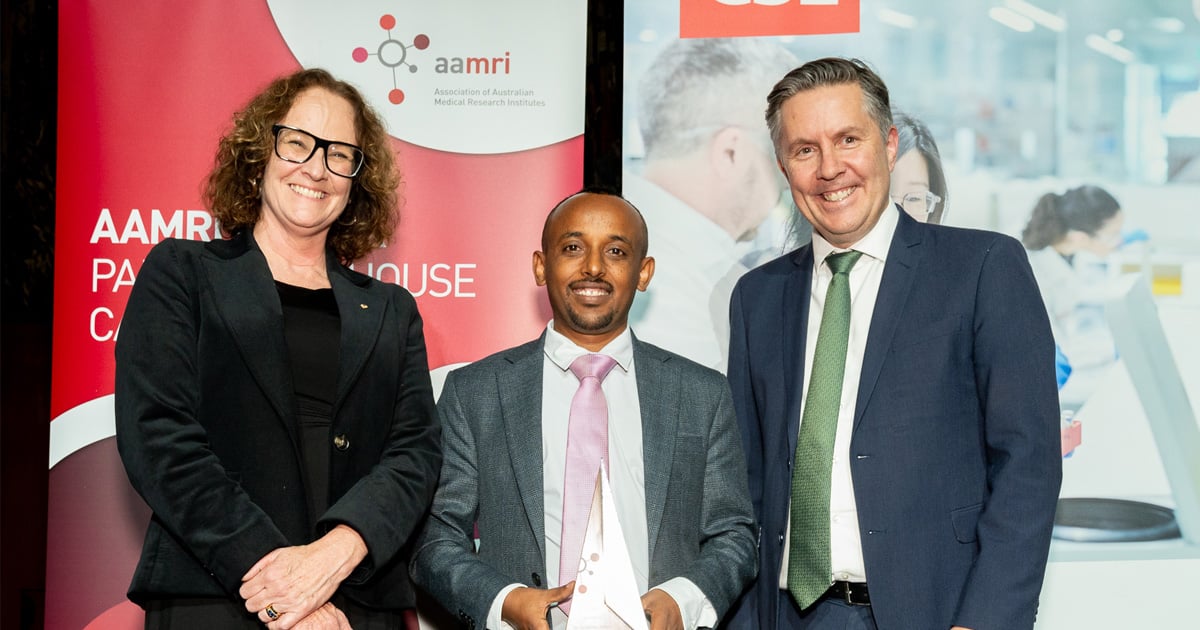
Dr Kefyalew Alene, who heads the Geospatial and Tuberculosis team at The Kids and is a senior research fellow within the Curtin School of Population Health, has used cutting edge technology to transform the way TB transmission is predicted, understood and managed globally.
Five researchers from The Kids Research Institute Australia will share in almost $3 million in grants to continue groundbreaking research to tackle childhood cancer, asthma prevention, lung disease and chronic ear infections.
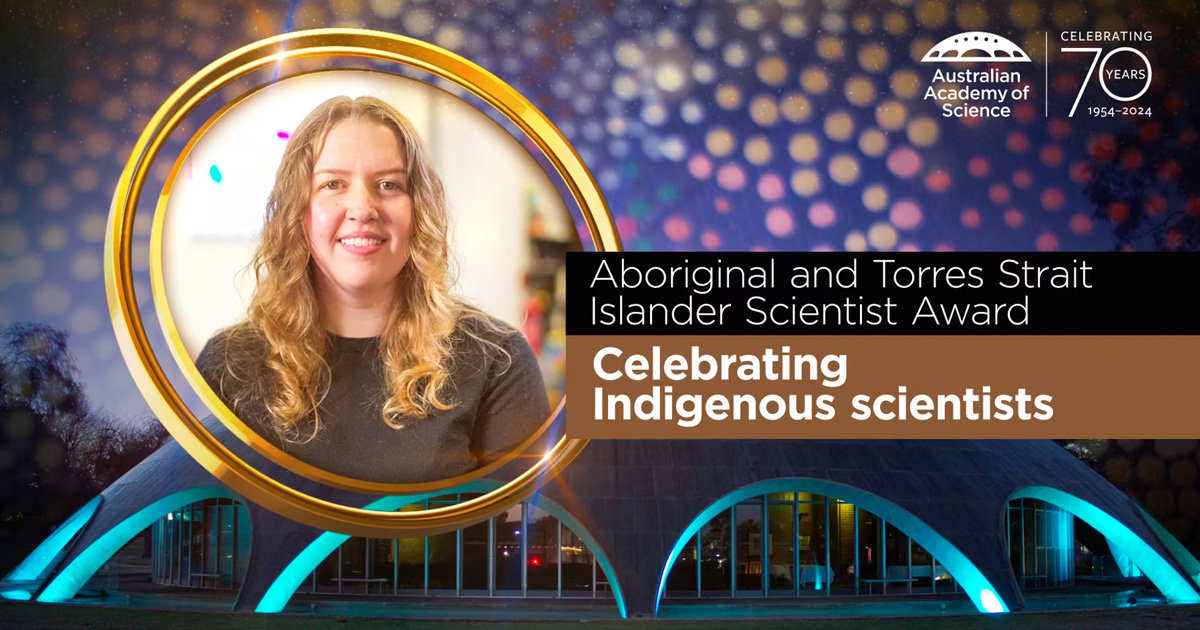
Congratulations to Indigenous genomics researcher Dr Justine Clark, who is one of two scientists nationally to receive the Australian Academy of Science’s 2024 Aboriginal and Torres Strait Islander Science Award.