
Search
Showing results for "8"
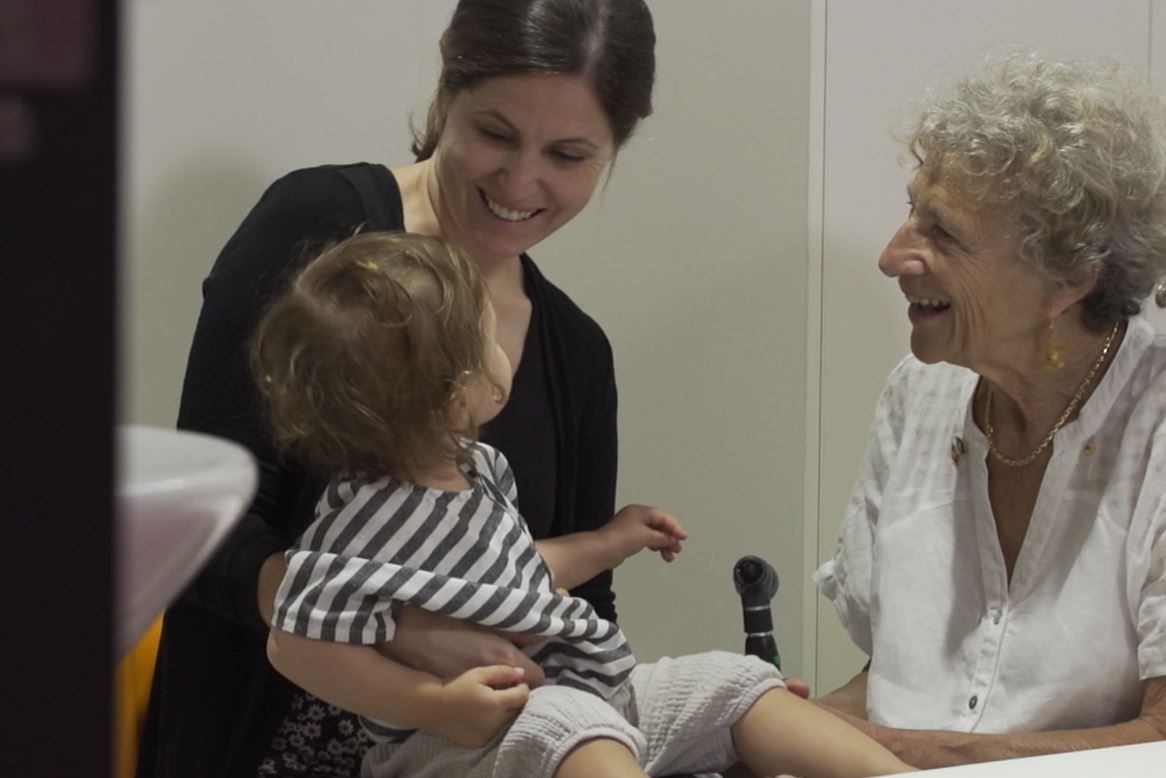
Leading infectious diseases researcher, Clinical Associate Professor Deborah Lehmann AO, has been named a finalist for the Australian Museum Eureka Prizes for her work training and mentoring a new generation of researchers.

The Kids Research Institute Australia researchers leading the Western Australian site of a global respiratory syncytial virus (RSV) study can now fine-tune development of a world-first vaccine for pregnant mothers.

Thousands of children born in Papua New Guinea (PNG) no longer face a future cut short by severe pneumonia, thanks to the introduction of pneumococcal vaccination as part of the country’s National Immunisation Program.

Babies worldwide could have access to life-saving influenza vaccinations from just eight weeks of age thanks to researchers at The Kids Research Institute Australia and the generous support of the Telethon community.
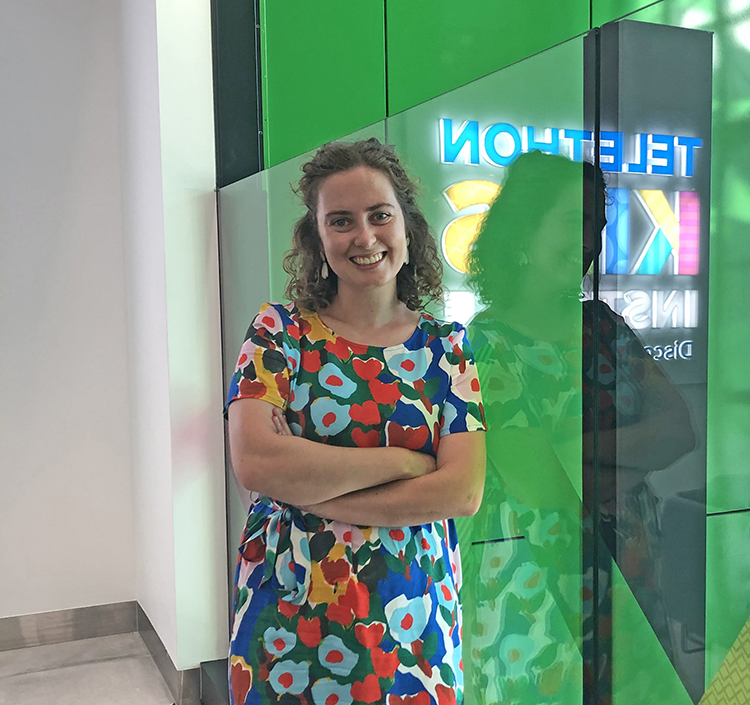
More children across Australia are being vaccinated against the flu since funding was expanded and access widened under the National Immunisation Program
The Kids Research Institute Australia researchers have found close to 40 per cent of Aboriginal babies begin to develop middle ear infections between two and four months of age in a first of its kind study in metropolitan Perth.
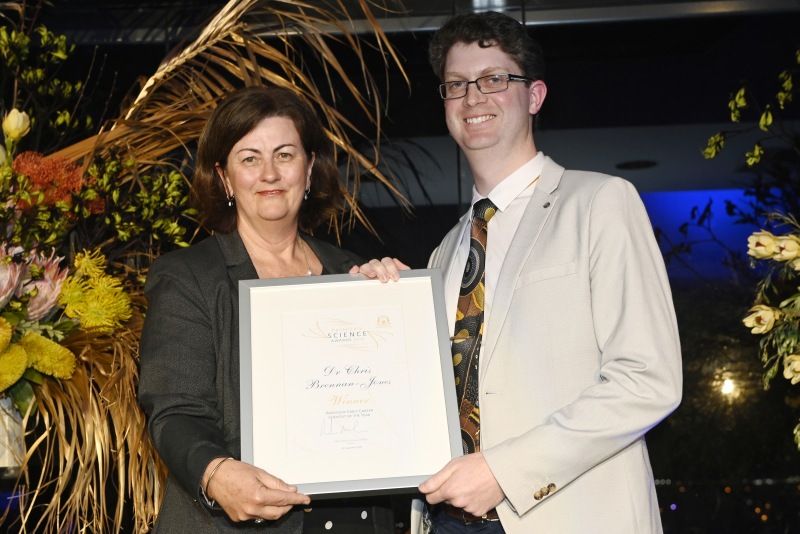
Congratulations to Telethon Kids Institute researcher Dr Chris Brennan-Jones who was named Woodside Early Career Scientist of the Year at last night’s 2020 Premier’s Science Awards.
Update on pneumococcal and meningococcal vaccine research
Burkholderia cepacia complex causes life-threatening respiratory infections. Here, a bacteriophage with activity against B. cenocepacia was isolated from wastewater. It has a genome size of 70,144 bp and has the taxonomic classification Irusalimvirus. It has no genes associated with lysogeny, bacterial resistance, or virulence.
Prescriptions and use of medications to treat mental health conditions in young autistic populations are inconsistent worldwide. This makes it hard to compare findings from international studies to the Australian autistic population, where there are limited relevant studies. Apart from risperidone, there are no other medications specified for direct use in autistic persons. This study aims to gain initial broad understanding of the use of medications, commonly prescribed for mental health conditions, specifically by autistics under the age of 21 years.