
We demonstrate that NOTCH3 is a regulator of MUC5AC production
These findings suggest the utility of specific FOT outcomes is dependent on the respiratory disease being assessed
it was believed that a vitamin could be the key but we weren't sure which vitamin." In 1989 ... fruit and vegetables which contain the essential vita…
Chinese immigrants living in Australia experience increased allergic conditions: asthma, eczema, hay fever and wheeze. Recently we reported diminishe…

Centre Head, Wesfarmers Centre of Vaccines and Infectious Diseases; Honorary and NHMRC Career Development Fellow, Paediatric Infectious Diseases Phys…
This study highlights an unpredicted potential risk factor for the development of food allergy, that is, D pteronyssinus allergens in breast milk
Maternal, umbilical cord, neonatal inflammatory, hematologic markers, histologic chorioamnionitis...
Patients with comorbid asthma-obesity experience greater disease severity and are less responsive to therapy. We have previously reported adipose tis…
Asthma is the commonest medical cause for hospital admission for children in Australia, affects more than 300 million people worldwide, and is incura…
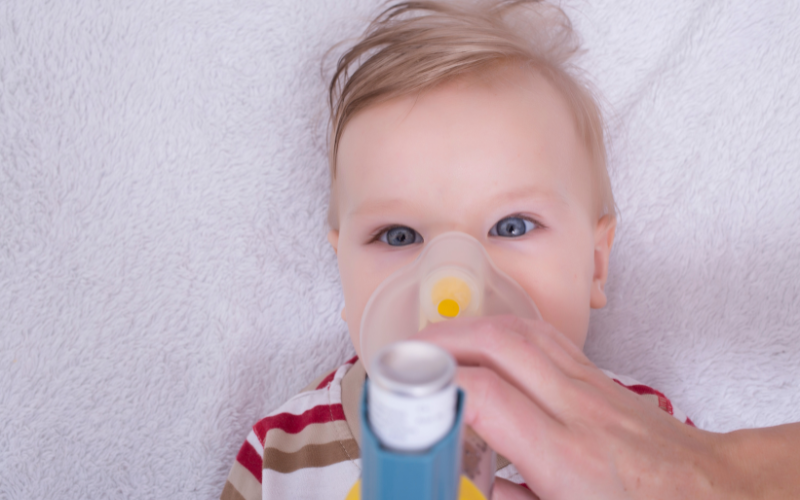
develop persistent wheeze that can progress into asthma. Early identification of children at high-risk ... participants had an average age of two, wh…