
Search
Showing results for "clinical trials"

Recently, researchers from The Kids Research Institute Australia, Perth Children’s Hospital and The University of Western Australia contributed to three major international publications, collectively reinforcing rare diseases as a critical, community-wide health priority.
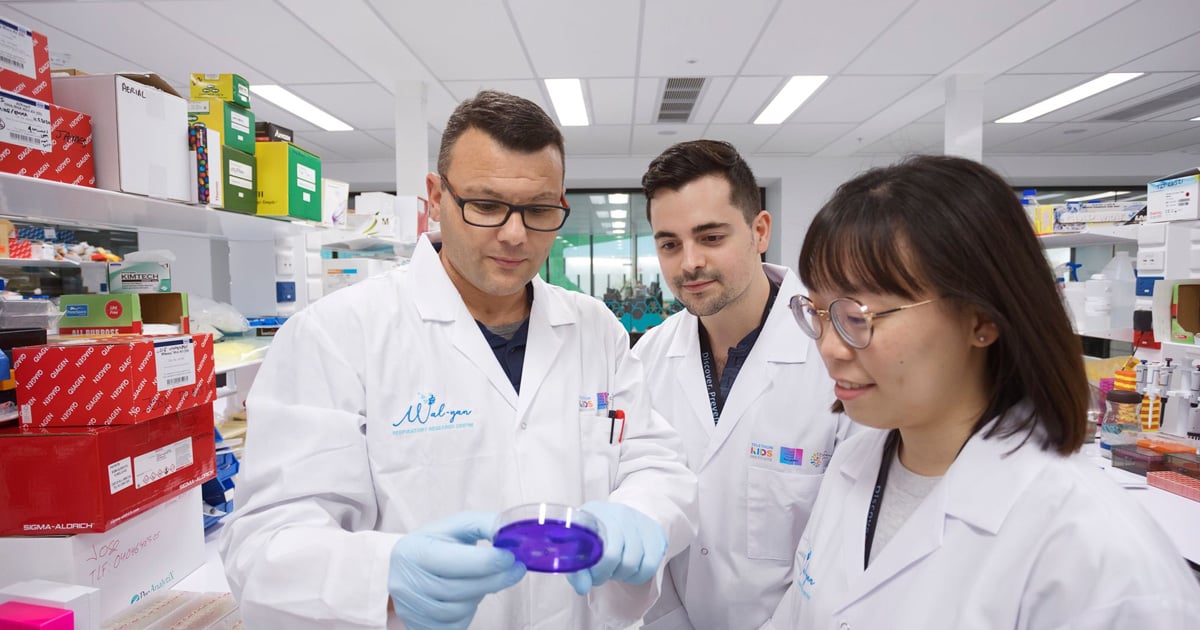
A $350,000 Cure4 Cystic Fibrosis grant is set to propel the Wal-yan Respiratory Research Centre’s Phage WA program forward, supercharging its fight against antimicrobial resistant (AMR) lung infections in people with Cystic Fibrosis (CF) using cutting-edge phage therapy.

The Kids Research Institute Australia autism researcher Professor Andrew Whitehouse has been inducted as a Fellow to the International Society for Autism Research (INSAR), making him just the fourth Australian to be bestowed the honour.

Eight The Kids Research Institute Australia-led projects will benefit from the latest round of WA Child Research Fund (WACRF) grants, announced this week by Medical Research Minister Stephen Dawson.

Congratulations to prominent consumer advocate Catherine Hughes and The Kids Research Institute Australia honorary researcher Dr Noula Gibson, who have been named finalists in Research Australia’s 2023 Health and Medical Research Awards.
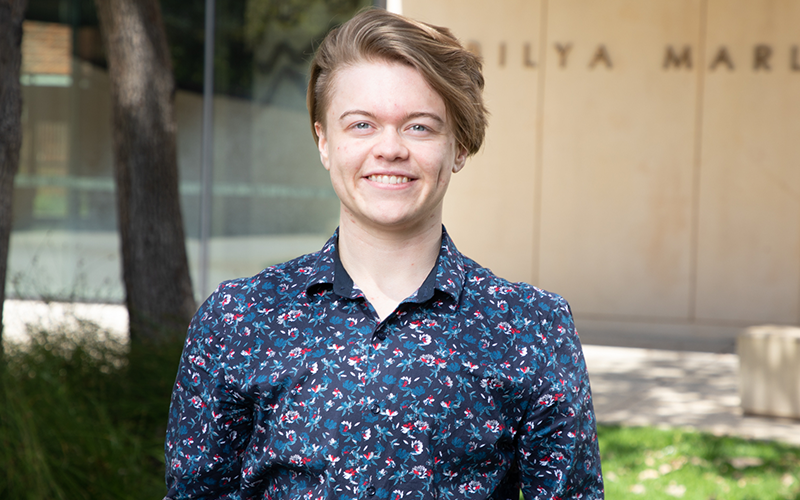
Youth mental health researcher named joint winner of the Shell Aboriginal STEM Student of the Year category at the 2022 Western Australian Premier’s Science Awards.
Burn injuries are traumatic experiences that can detrimentally impact an individual’s psychological and emotional wellbeing. Despite this, some survivors adapt to psychosocial challenges better than others despite similar characteristics relating to the burn.
Children born to parents with intellectual disability (ID) have been shown as disproportionally represented in child protection services however with limited population-based research.
Prenatal alcohol exposure is associated with a range of adverse offspring neurodevelopmental outcomes. Several studies suggest that PAE modifies DNA methylation in offspring cells and tissues, providing evidence for a potential mechanistic link to Fetal Alcohol Spectrum Disorder.
To review and synthesise qualitative literature regarding the psychological outcomes following paediatric burn injuries, and to determine if children and adolescents who experience a burn injury have elevated risk of psychopathology following the injury.