
Search
Showing results for "early childhood"
The ultimate goal of this project is to enable policy-makers and researchers to work together to influence positive changes in the life trajectories of disadvantaged Australians via research driven policy initiatives.
A student’s learning potential is limited if they do not attend school regularly.
We analyzed two large-scale surveys, and found high rates of smoking in people with mood disorders and both with and without substance dependence disorders.
High consumption of sugar sweetened beverages (SSBs) has been linked to unhealthy weight gain and nutrition related chronic disease.
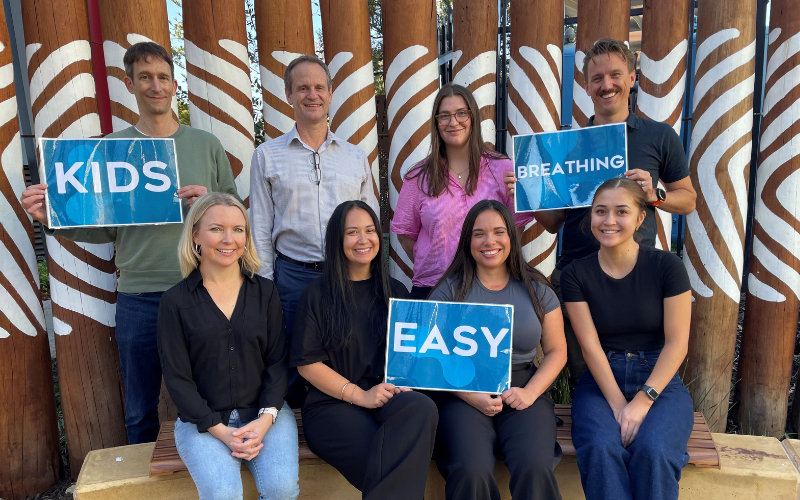
The Kids Easy Breathing Study kickstarts this month, with the aim of finding out how the airway surface is different between infants who develop chronic lung disease after contracting bronchiolitis compared with those who don’t.
Invasive fungal disease (IFD) occurs less frequently during treatment for solid compared to hematological malignancies in children, and risk groups are poorly defined. Retrospective national multicenter cohort data (2004-2013) were analyzed to document prevalence, clinical characteristics, and microbiology of IFD.
Invasive fungal disease (IFD) is a common and important complication in children with acute myeloid leukaemia (AML). We describe the epidemiology of IFD in a large multicentre cohort of children with AML.
Christopher Blyth MBBS (Hons) DCH FRACP FRCPA PhD Centre Head, Wesfarmers Centre of Vaccines and Infectious Diseases; Co-Head, Infectious Diseases

A new study underway at the Wesfarmers Centre of Vaccines and Infectious Diseases, based at The Kids Research Institute Australia, is deliberately infecting tonsils with Strep A in the laboratory to test a range of potential vaccine candidates.
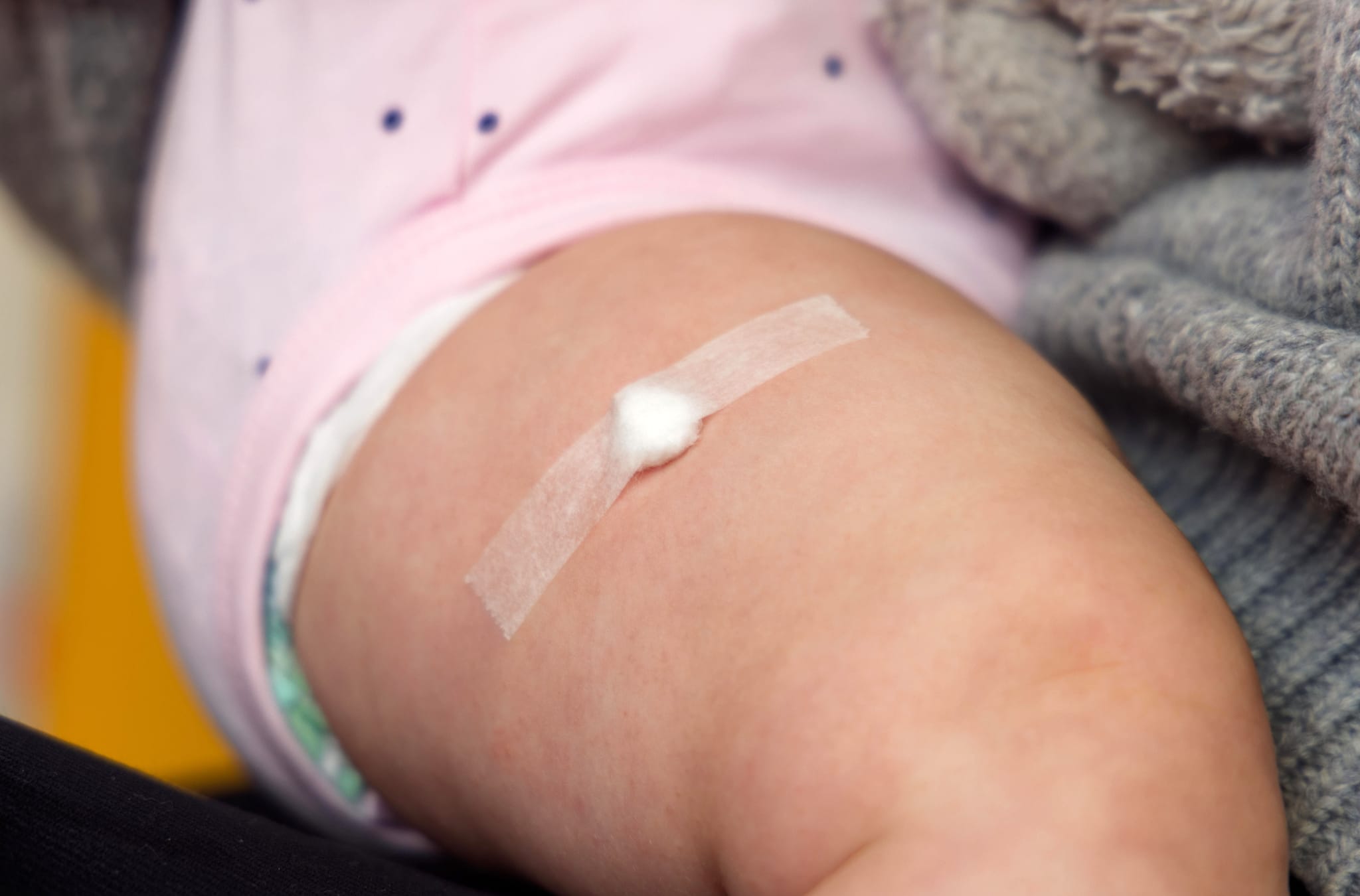
10,000 families participating in research by The Kids Research Institute Australia have demonstrated the effectiveness of a simple text message for increasing the number of children receiving their vaccinations on time.