
Search
Showing results for "Childhood interstitial lung disease "
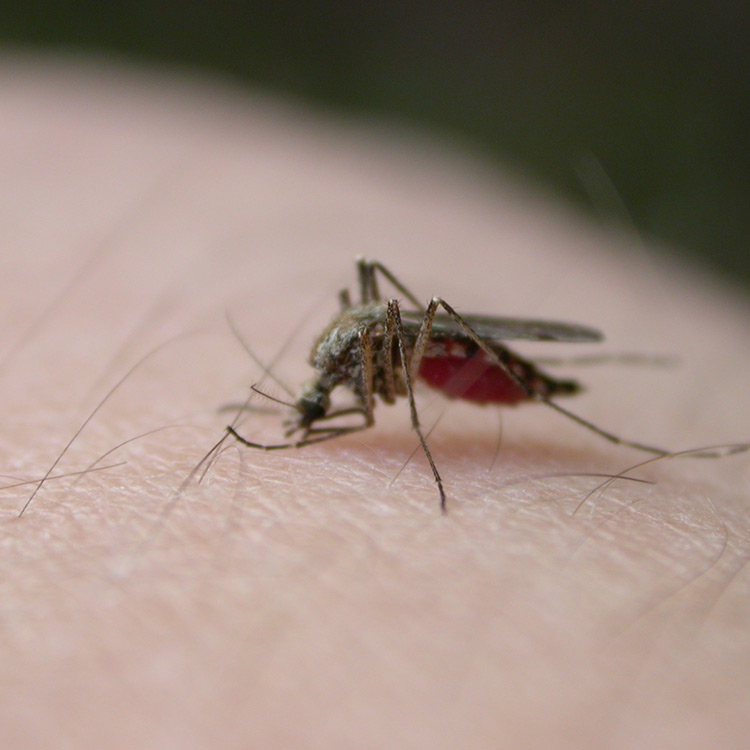
WA Researchers have conducted an Australian-first study to determine the prevalence of microcephaly, in preparation of any future outbreak of the Zika virus.

Like all of us, Dr Shelley Gorman grew up with the 'slip, slop, slap' message. And for good reason, Australia is one of the sunniest countries in the world.
Update on pneumococcal and meningococcal vaccine research

Young people diagnosed with Type 1 Diabetes are at risk of complications from their diabetes including kidney, heart, eye and vascular disease.
Serosurveys are considered as a valuable tool in estimating population immunity and infection rates but recruitment of children to provide paediatric estimates can be challenging. A novel approach of sampling children undergoing anaesthesia was utilised for a SARS-CoV-2 serosurvey in Australian children and we explore the reasons for participation, feedback on the approach and importance of research into Coronavirus Diseases 2019 (COVID-19).
This study explores the incidence of preoperative hypophosphatemia and whether hypophosphatemia may have affected patient or trial outcomes for those who received ferric carboxymaltose
Smokers are at an increased risk of developing mucosal head and neck squamous cell cancers (HNSCCs) and have a worse prognosis when treated. The cellular and molecular mechanisms underlying the latter has not been established. We therefore developed an in vitro model to investigate the effects of radiation and smoking on mucosal HNSCCs.
Since its emergence in 1968, influenza A H3N2 has caused yearly epidemics in temperate regions. While infection confers immunity against antigenically similar strains, new antigenically distinct strains that evade existing immunity regularly emerge ('antigenic drift'). Immunity at the individual level is complex, depending on an individual's lifetime infection history.
Mild stroke affects more than half the stroke population, yet there is limited evidence characterizing cognition over time in this population, especially with predictive approaches applicable at the individual-level. We aimed to identify patterns of recovery and the best combination of demographic, clinical, and lifestyle factors predicting individual-level cognitive state at 3- and 12-months after mild stroke.
Improving maternal gut health in pregnancy and lactation is a potential strategy to improve immune and metabolic health in offspring and curtail the rising rates of inflammatory diseases linked to alterations in gut microbiota. Here, we investigate the effects of a maternal prebiotic supplement (galacto-oligosaccharides and fructo-oligosaccharides), ingested daily from <21 weeks' gestation to six months' post-partum, in a double-blinded, randomised placebo-controlled trial.