
Search
Showing results for "clinical trials"
In this paper, we aim to contribute to the understanding of the multidimensional nature of school readiness. In a sample of over 4,000 Australian children in their first year of school, we used latent class analysis to examine patterns of school readiness based on child, family, school and community characteristics, and examine the relationship between these patterns of school readiness and subsequent outcomes (reading comprehension, school absence and emotional and behavioural difficulties).
A commonly suggested strategy for addressing bullying is for victims to seek help from a trusted person. Despite this recommendation, there are a group of adolescent victims who choose not to seek help. This study aimed to identify factors associated with not seeking help among adolescents who experienced bullying victimisation.
Studies examining associations of early-life cat and dog ownership with childhood asthma have reported inconsistent results. Several factors could explain these inconsistencies, including type of pet, timing, and degree of exposure. Our aim was to study associations of early-life cat and dog ownership with asthma in school-aged children, including the role of type (cat vs dog), timing (never, prenatal, or early childhood), and degree of ownership (number of pets owned), and the role of allergic sensitization.
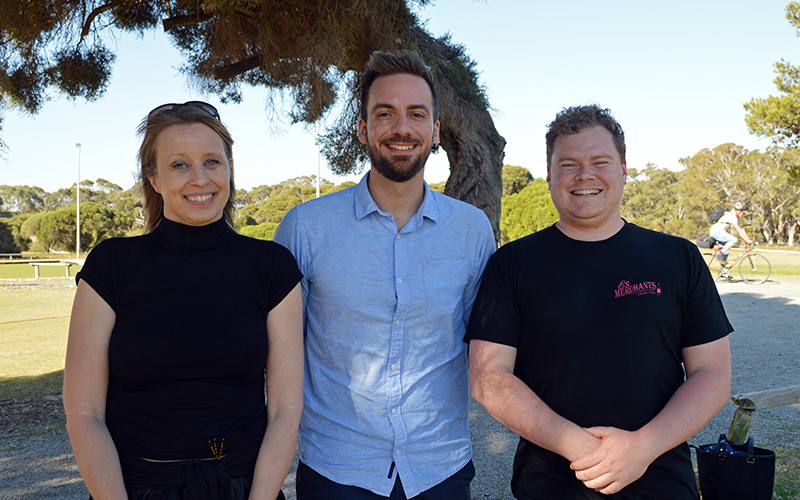
Congratulations to Dr Montgomery, Dr Iosifidis and Dr D’Vaz on winning the Wal-yan Centre's inaugural seed funding competition.
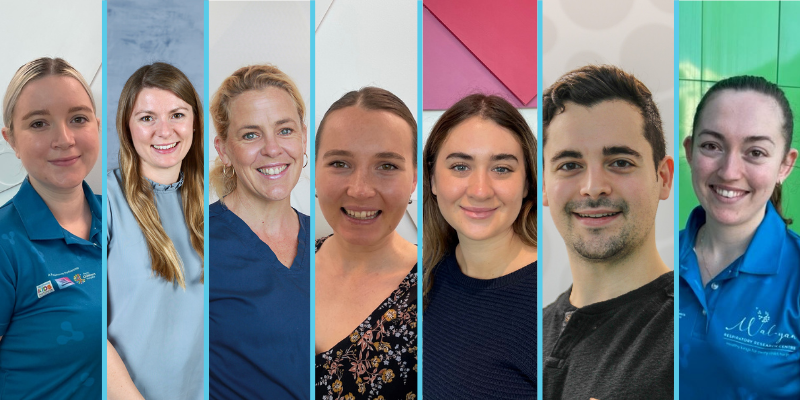
A large contingent of researchers from the Wal-yan Respiratory Research Centre are heading to Spain in September to participate in the European Respiratory Society (ERS) International Congress – the largest respiratory meeting in the world.
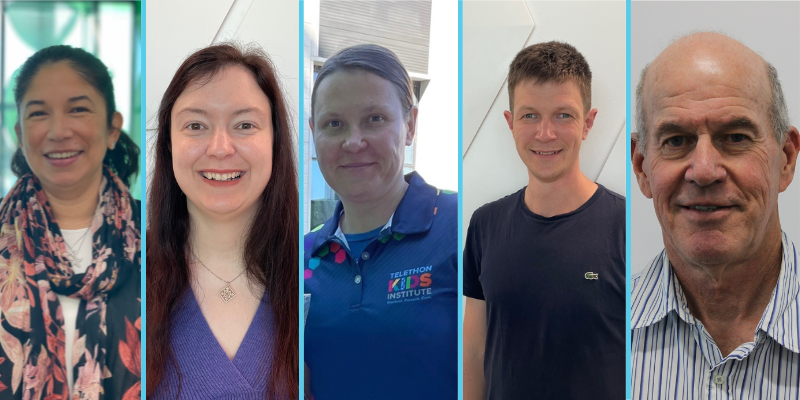
Valued at a total of $440,000, the Wal-yan Respiratory Research Centre Inspiration Awards 2022 will support five cutting-edge research projects.
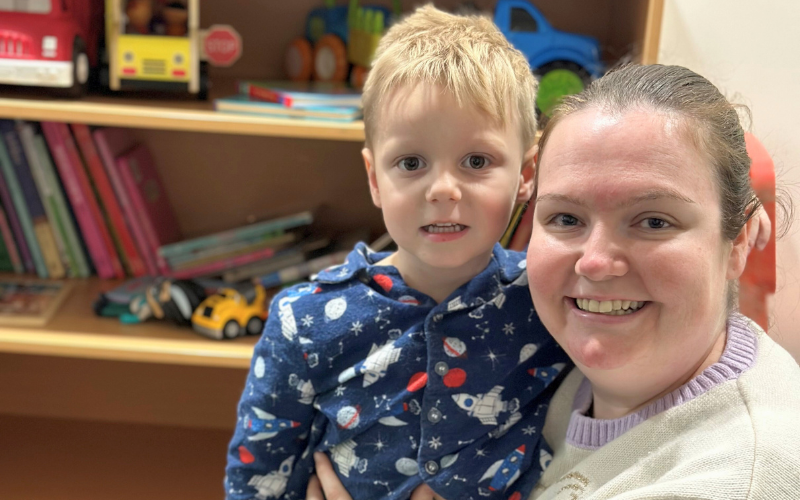
In September 2024, the Western Australian Epithelial Research Program (WAERP) reached a significant milestone by recruiting its 400th participant.
Over 20 years Professor Harvey Oates has made financial contributions to The Kids totaling over 6 figures, as well as sitting on the board for 16 years.
Virtual Scientific Launch Day: Wednesday 1 December 2021 (Australia) Time: 7am Australian WST/ 10am Australian EDST / 12pm NZ DST North America:
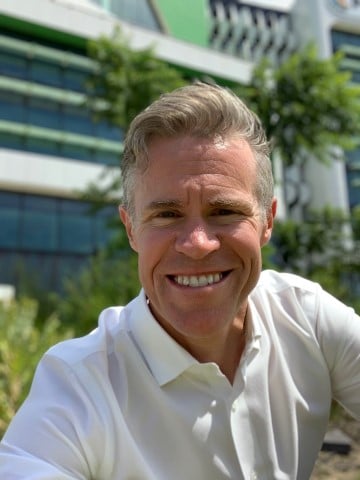
There’s a new face in Perth Children’s Hospital’s diabetes clinic – meet consultant paediatric endocrinologist Dr Craig Taplin! We asked Craig a few questions to help to get to know him better and find out what drew him to Perth.