
Search
Showing results for "early lung health"
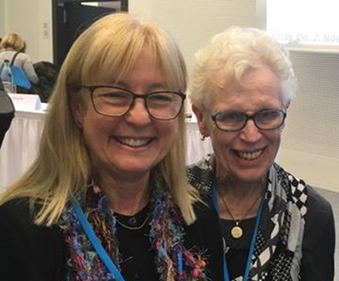
Two The Kids Research Institute Australia researchers recognised for their role in building a global database for CDKL5 deficiency disorder are now helping to set the scene for clinical trials of much-needed potential treatments.
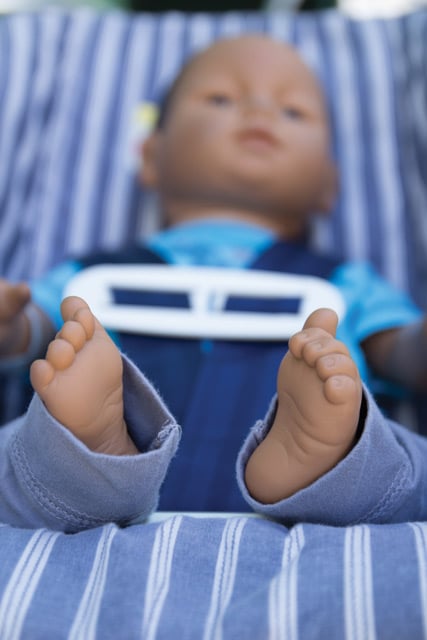
These infant simulators are given to high school students to take care of as part of a teen pregnancy prevention program known as Virtual Infant Parenting.
Christopher Peter Tom Blyth Richmond Snelling MBBS (Hons) DCH FRACP FRCPA PhD MBBS MRCP(UK) FRACP BMBS DTMH GDipClinEpid PhD FRACP Centre Head,
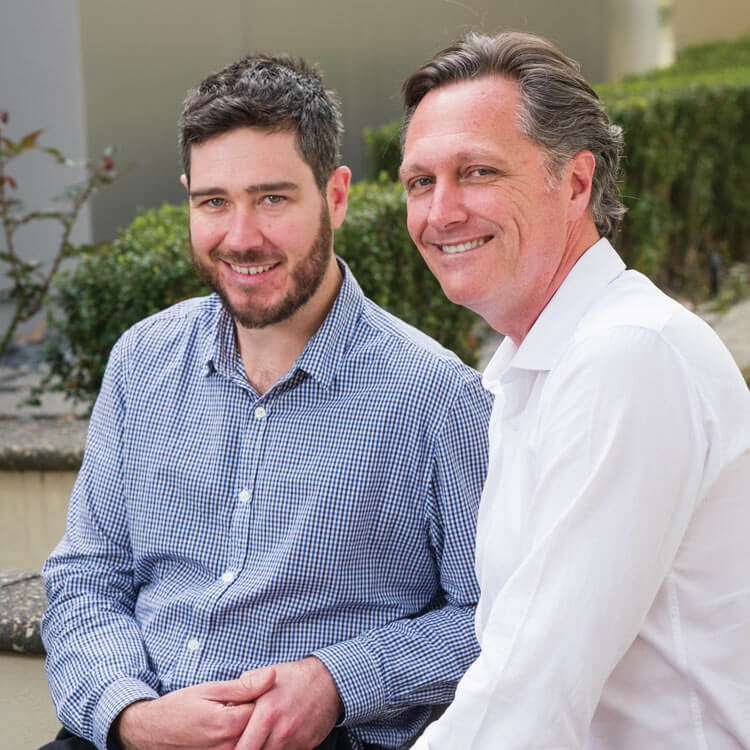
What does BHP know about medical research? More than you might imagine!
Significant variation in practice, particularly for patients with a severe disease phenotype and antibiotic-resistant profile
This study will assess the effect of adjunctive clindamycin on patient-centred outcomes in severe, toxin-mediated S. aureus infections

Research Support Officer
Belaynew Christopher Peter Hannah Minda Huong Taye Blyth Richmond Moore Sarna Le MD, MPH, PhD MBBS (Hons) DCH FRACP FRCPA PhD MBBS MRCP(UK) FRACP OAM
Birth order effects have been linked to variability in intelligence, educational attainment and sexual orientation. First- and later-born children have been linked to an increased likelihood of an Autism Spectrum Disorder (ASD) diagnosis, with a smaller body of evidence implicating decreases in cognitive functioning with increased birth order.
Birth order effects have been linked to variability in intelligence, educational attainment and sexual orientation. First- and later-born children have been linked to an increased likelihood of an Autism Spectrum Disorder (ASD) diagnosis, with a smaller body of evidence implicating decreases in cognitive functioning with increased birth order. The present study investigated the potential association between birth order and ASD diagnostic phenotypes in a large and representative population sample.