
Search
Showing results for "mental health aboriginal"
Access to healthcare is a requirement for human well-being that is constrained, in part, by the allocation of healthcare resources relative to the geographically dispersed human population. Quantifying access to care globally is challenging due to the absence of a comprehensive database of healthcare facilities. We harness major data collection efforts underway by OpenStreetMap, Google Maps and academic researchers to compile the most complete collection of facility locations to date.
We found no increased risk of poor development among boys with hypospadias or undescended testis

National research led by the Wesfarmers Centre of Vaccines and Infectious Diseases, based at The Kids Research Institute Australia, has secured more than $3.4 million to assess the epidemiology of respiratory syncytial virus (RSV) throughout the country and optimise Australia’s immunisation strategy.
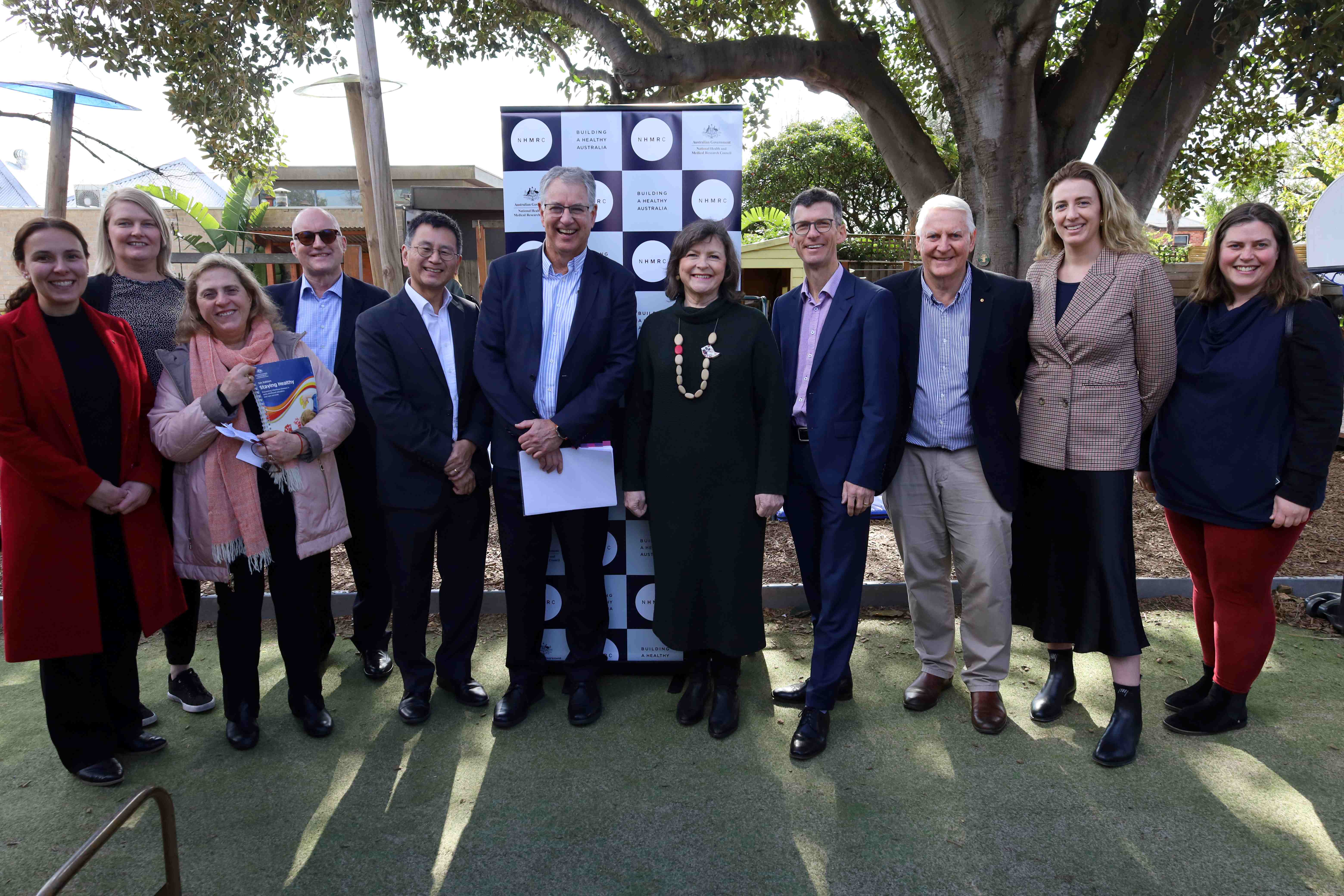
The National Health and Medical Research Council (NHMRC) has launched their sixth edition of Staying healthy: Preventing infectious diseases in early childhood education and care services in a bid to tackle the transmission of germs amongst young kids.
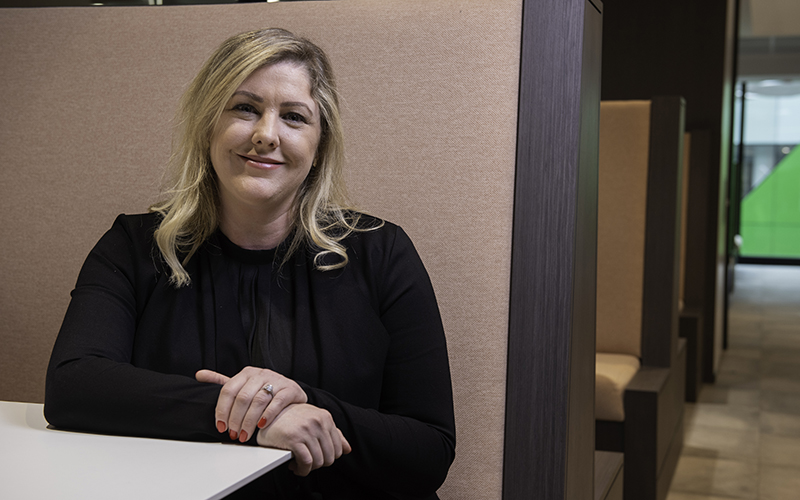
Congratulations to Associate Professor Rebecca Glauert, Head of the Developmental Pathways and Social Policy Team at The Kids Research Institute Australia and an internationally recognised expert in data linkage.
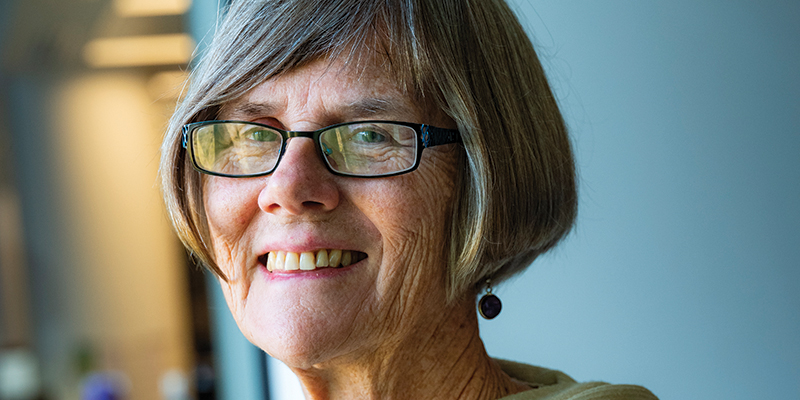
Following strong evidence and lobbying by The Kids Research Institute Australia researchers and others, labels to warn women about the risks of drinking during pregnancy are to become mandatory on all alcohol sold in Australia and New Zealand.

The hearts of everyone at The Kids go out to the family and friends of Lachlan Hernaman, a long-term participant in lung health research who died suddenly on April 30.
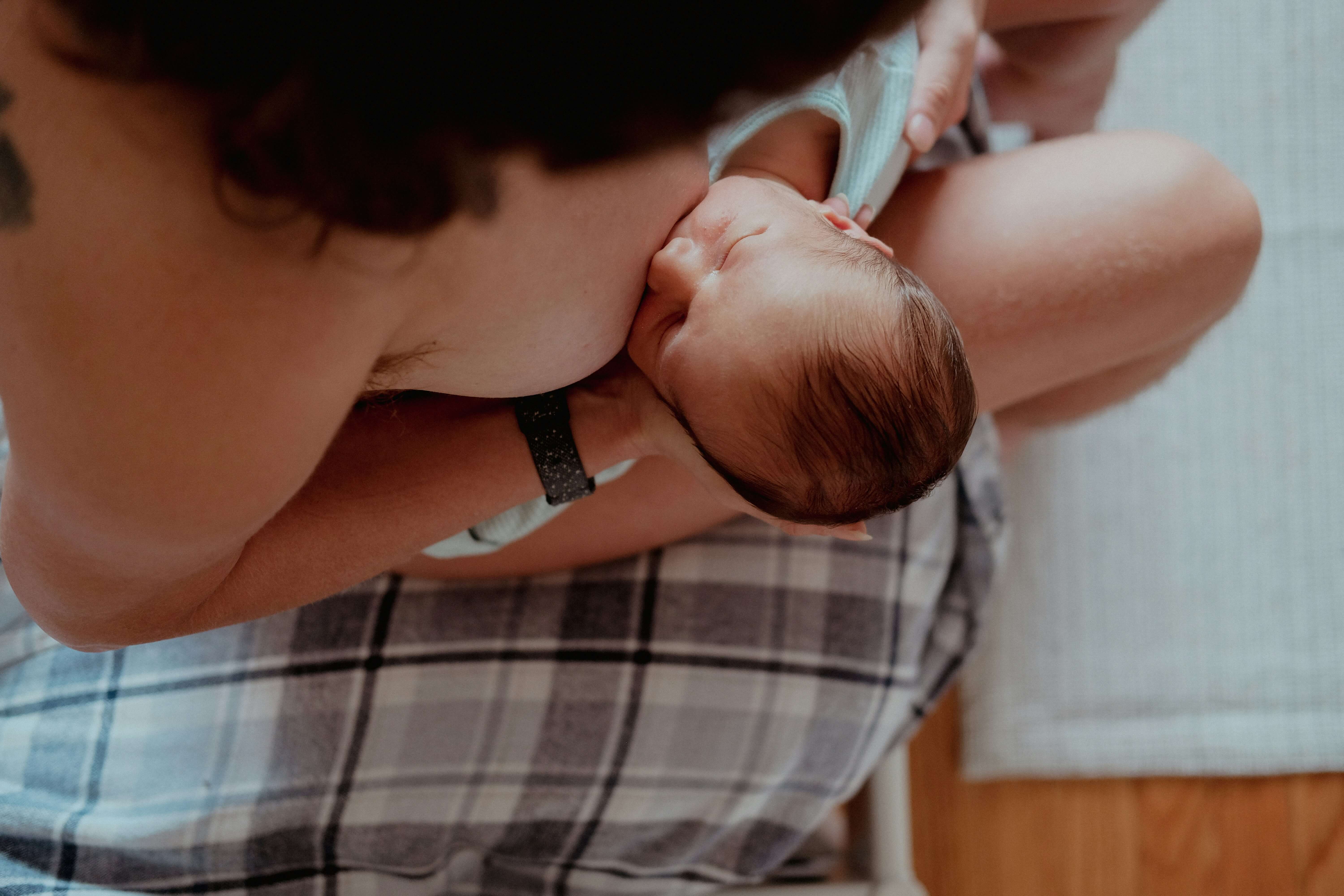
Research shows at least a third of newborns receive formula in hospital, a practice shown to be associated with an increased risk of cow’s milk allergy.
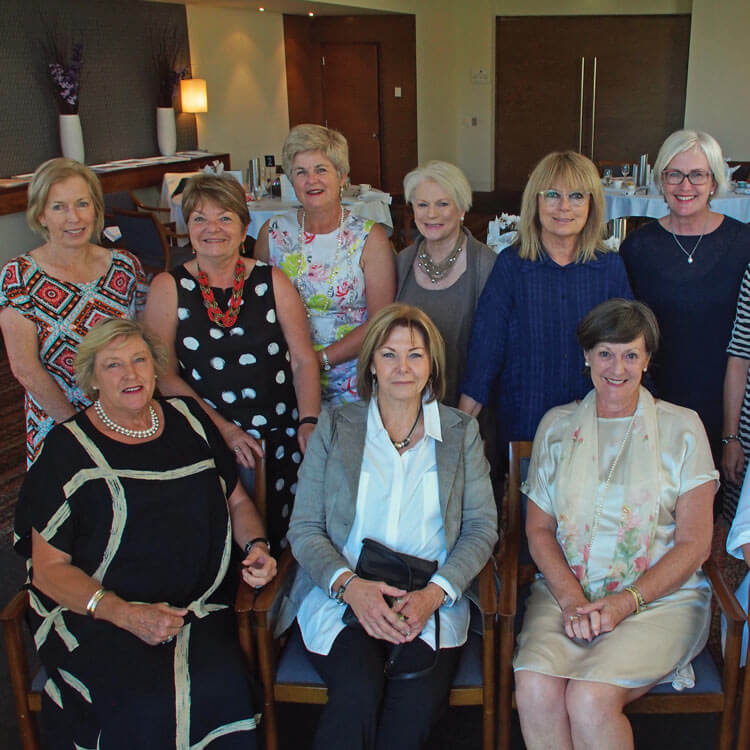
Meet the Friends of the Institute, a very impactful group of volunteers whose Friend-raising efforts have supported The Kids for more than 25 years.
The aim of the study was to develop and validate an individualized, clinically based prognostic model for forecasting transition to psychosis from a CHR-P stage