
Search
Showing results for "Childhood interstitial lung disease "
To evaluate the effects of a physical activity programme on sedentary behaviour and physical activity in ambulant individuals with Rett syndrome.
Children with complex needs and severe disability may undergo gastrostomy insertion to support feeding difficulties. Parent education programs are critical components of clinical care pathways but there is little information on parent-reported educational needs. This study describes the collaborative process that yielded a resource to assist parents considering gastrostomy tube placement for their children, and the evaluation of the resource.
This study investigated the influence of factors at birth and in infancy on the likelihood of achieving major motor milestones in CDKL5 Deficiency Disorder (CDD). Data on 350 individuals with a pathogenic CDKL5 variant was sourced from the International CDKL5 Disorder Database.
This unique and innovative project will be the first to quantify the local food environment around all government and non-government Perth metropolitan primary and secondary schools.
Helen Jenny Leonard Downs MBChB MPH BApplSci (physio) MSc PhD Principal Research Fellow Head, Child Disability +61 419 956 946 08 6319 1763
It has been well established that children's development at school entry is associated with their later academic achievement, but less is known about whether there is also an association with other measures of school success, such as students' social and emotional wellbeing.
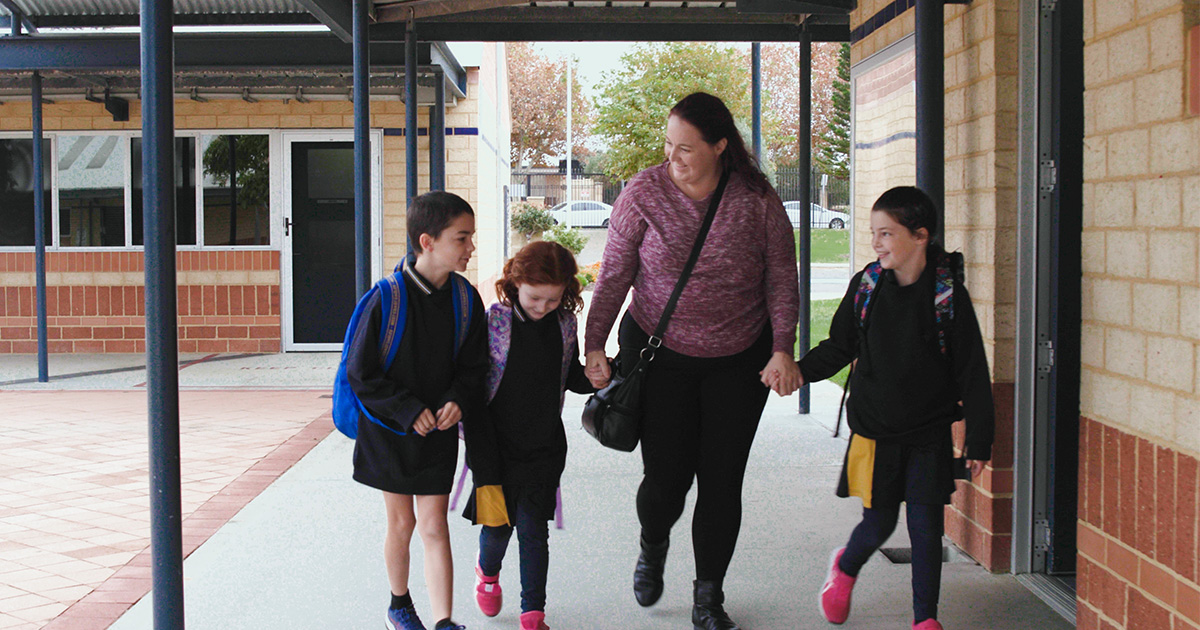
Researchers will use cutting edge big data and geospatial modelling techniques to tackle the dramatic decline in the number of West Australian children walking or riding to school.
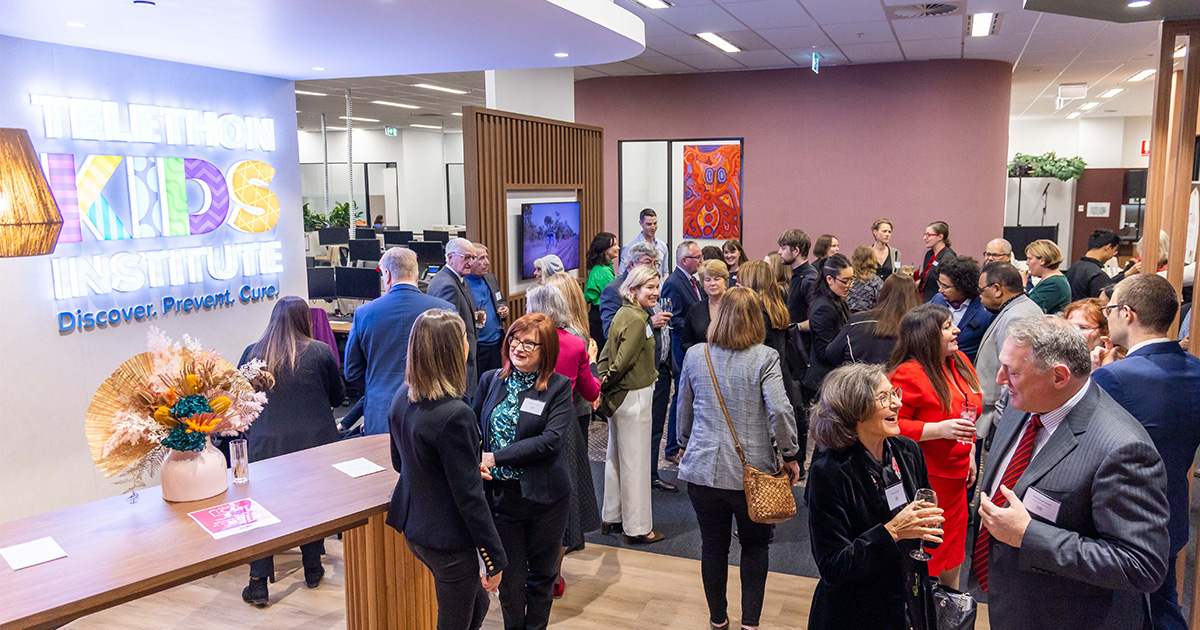
The Kids Research Institute Australia's Adelaide facility has been officially opened by South Australian Premier Peter Malinauskas.

A The Kids Research Institute Australia researcher whose work focuses on the mental health of babies and young children has been chosen from a global field to become one of 20 new Zero to Three Fellows.
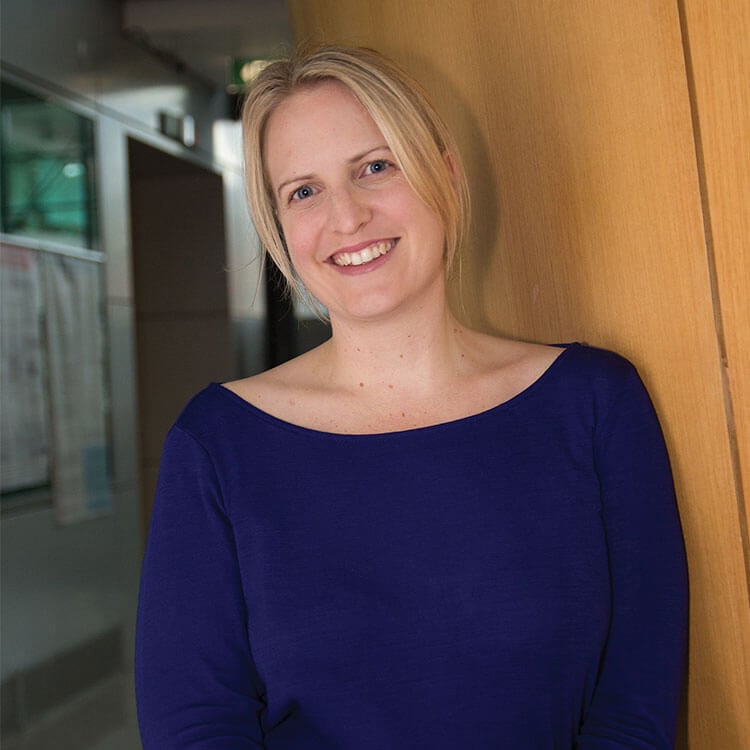
An InFocus Research Interview with Kirsten Hancock of the Human Capability Team at The Kids Research Institute Australia on multigenerational disadvantage in Australia.