
Search
Showing results for "Childhood interstitial lung disease "
The current study sought to determine whether gestational hypertension and pre-eclampsia are associated with neurocognitive outcomes in middle childhood.
This study provides evidence that continued participation in playgroups is associated with better outcomes for children from disadvantaged families.
We describe change in gross motor function over 3 to 4 years for 70 subjects participating in the Australian Rett Syndrome Database
Modifications to diagnostic criteria and introduction of genetic testing have likely affected the pattern and timing of Rett syndrome diagnosis...
Loss of hand function is a core feature of Rett syndrome. This article describes longitudinal hand function at 3 time points for 72 subjects participating...
Scoliosis is a common orthopaedic complication of Rett syndrome, and surgery is commonly used to reduce asymmetry in cases with severe scoliosis.
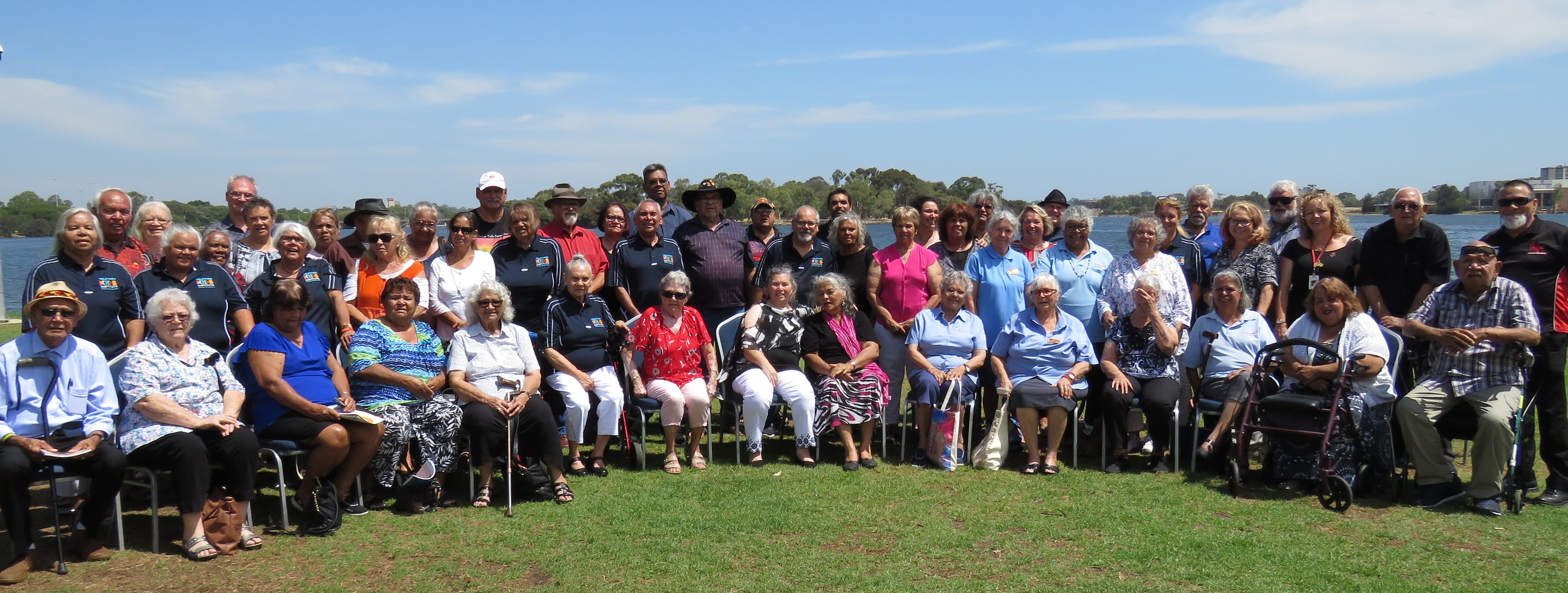
Community engagement for the Ngulluk Koolunga Ngulluk Koort (Our Children, Our Heart) Project.
The Life Course Centre is a national centre funded by the Australian Research Council Centre of Excellence Scheme and hosted through the University of Queensland with collaborating nodes at the University of Western Australia, Sydney University and University of Melbourne.

Prominent consultant psychiatrist and Western Australia’s 2021 Australian of the Year, Professor Helen Milroy AM, has been recognised as a Member of the Order of Australia (General Division).
To evaluate the psychometric properties of the Quality of Life Inventory -Disability (QI-Disability) for individuals with Dravet syndrome (DS) or Lennox-Gastaut syndrome (LGS), two rare developmental and epileptic encephalopathy conditions.