
Search
Showing results for "mental health aboriginal"
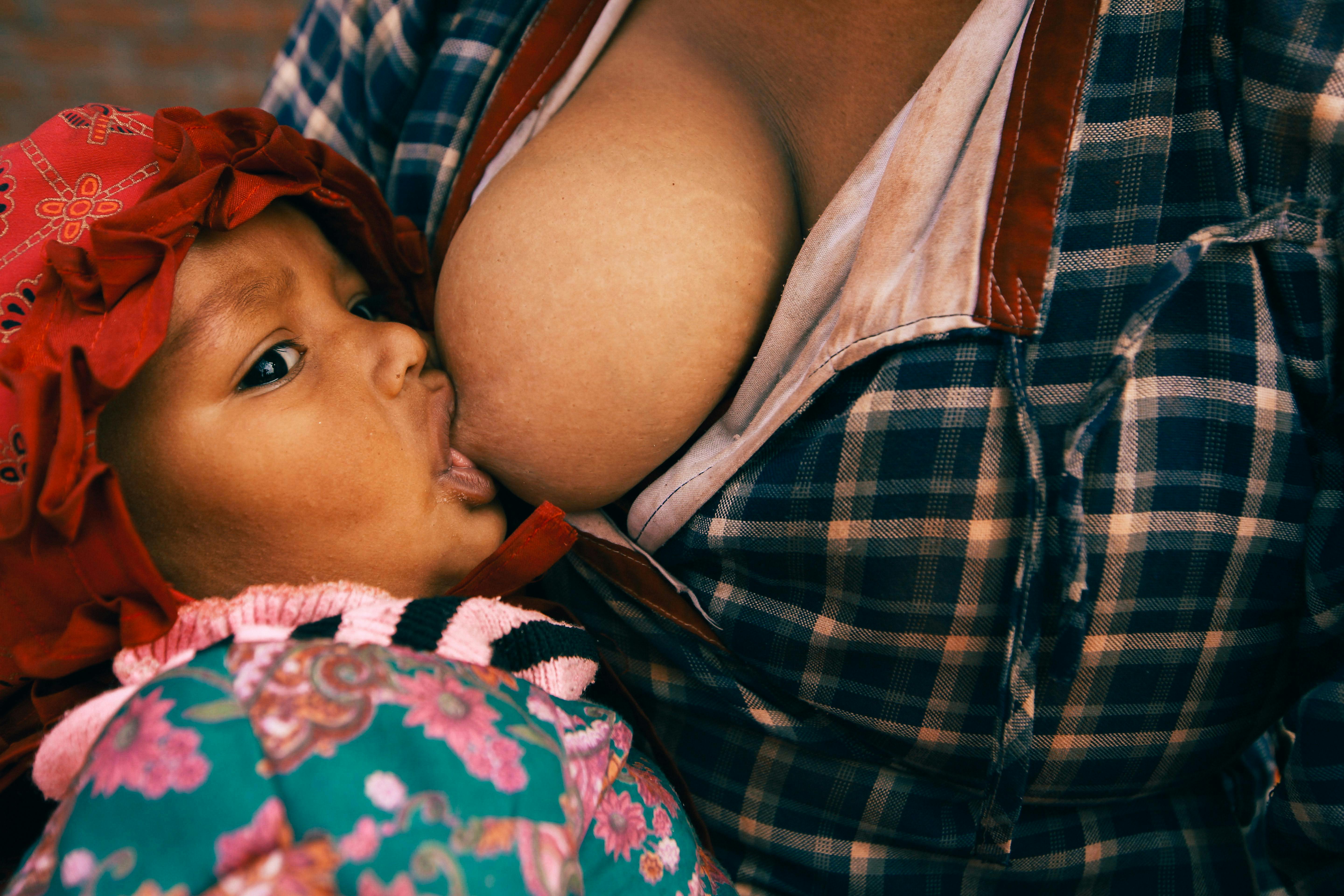
Spanning across 15 countries, this study is exploring how breastmilk supports good bacteria in the infant gut and how this relationship programs the developing immune system.

Diabetes researchers from PCH would like to find out whether treating hypo’s at a lower level than 3.9 mmol/l is safe and makes managing your diabetes easier.
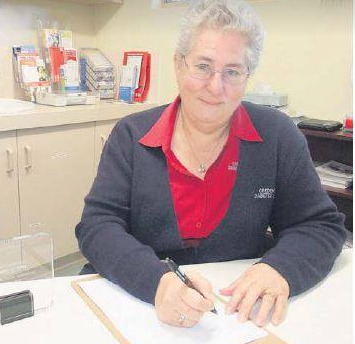
After more than 25 years in the diabetes space, clinical nurse and credentialled diabetes educator Maxine Schlaeppi has retired.v

Our exercise researchers have been working with young people with type 1 diabetes to create an app and we need your help to name it!
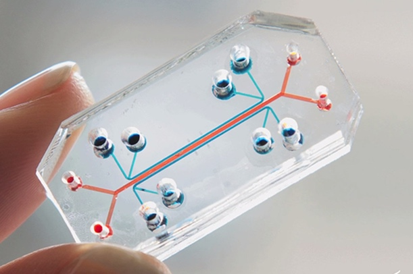
Respiratory disease is a global issue and international networks are critical to informing best-practice approaches to the clinical care and management of childhood respiratory health.
BANK CF is a dedicated biobank established to collect and store biological samples to support research that improves the respiratory health of children and families.
The aim of the study was to develop and validate an individualized, clinically based prognostic model for forecasting transition to psychosis from a CHR-P stage
Anthropogenic activities are increasing the amount of carbon dioxide (CO2) in the atmosphere. There is mounting experimental evidence that lifetime exposure to these increasing atmospheric CO2 levels can negatively impact the normal physiology of organisms. However, directly assessing this in humans is very difficult.
Shannon Simpson BMedSci (hons), PhD Head, Strong Beginnings Research, Co-head Foundations of Lung Disease 08 6319 1631 Shannon.simpson@thekids.org.au
Childhood infection might be associated with adverse child development and neurocognitive outcomes, but the results have been inconsistent.