
Search
Showing results for "early lung health"
For children with cerebral palsy (CP), who are marginally ambulant, gross motor capacity peaks between 6 and 7 years of age with a subsequent clinical decline, impacting their ability to engage in physical activity. Active Strides-CP is a novel package of physiotherapy targeting body functions, activity and participation outcomes for children with bilateral CP. This study will compare Active Strides-CP to usual care in a multisite randomised waitlist-controlled trial.
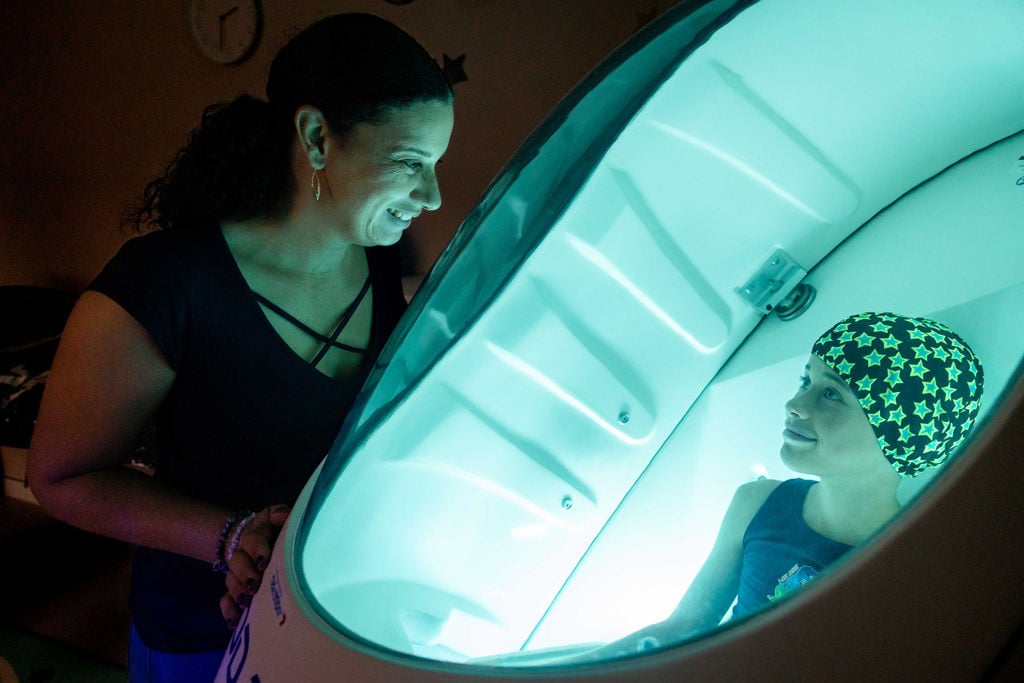
Find information about ORIGINS Kids Checks, what you need to do before your appointment, and other questionnaire timepoints.
We present the Australian Square Kilometre Array Pathfinder (ASKAP) WALLABY pre-pilot observations of two 'dark' H i sources (with H i masses of a few times 108 {M}_\odot and no known stellar counterpart) that reside within 363 kpc of NGC 1395, the most massive early-type galaxy in the Eridanus group of galaxies.

New research from The Kids Research Institute Australia has revealed a significant link between kids with severe ADHD and higher rates of early childhood hospital admissions.

Paediatric Physiotherapist

Early Career Fellow

Senior Research Fellow
Neonatal sepsis is a deadly disease with non-specific clinical signs, delaying diagnosis and treatment. There remains a need for early biomarkers to facilitate timely intervention. Our objective was to identify neonatal sepsis gene expression biomarkers that could predict sepsis at birth, prior to clinical presentation.
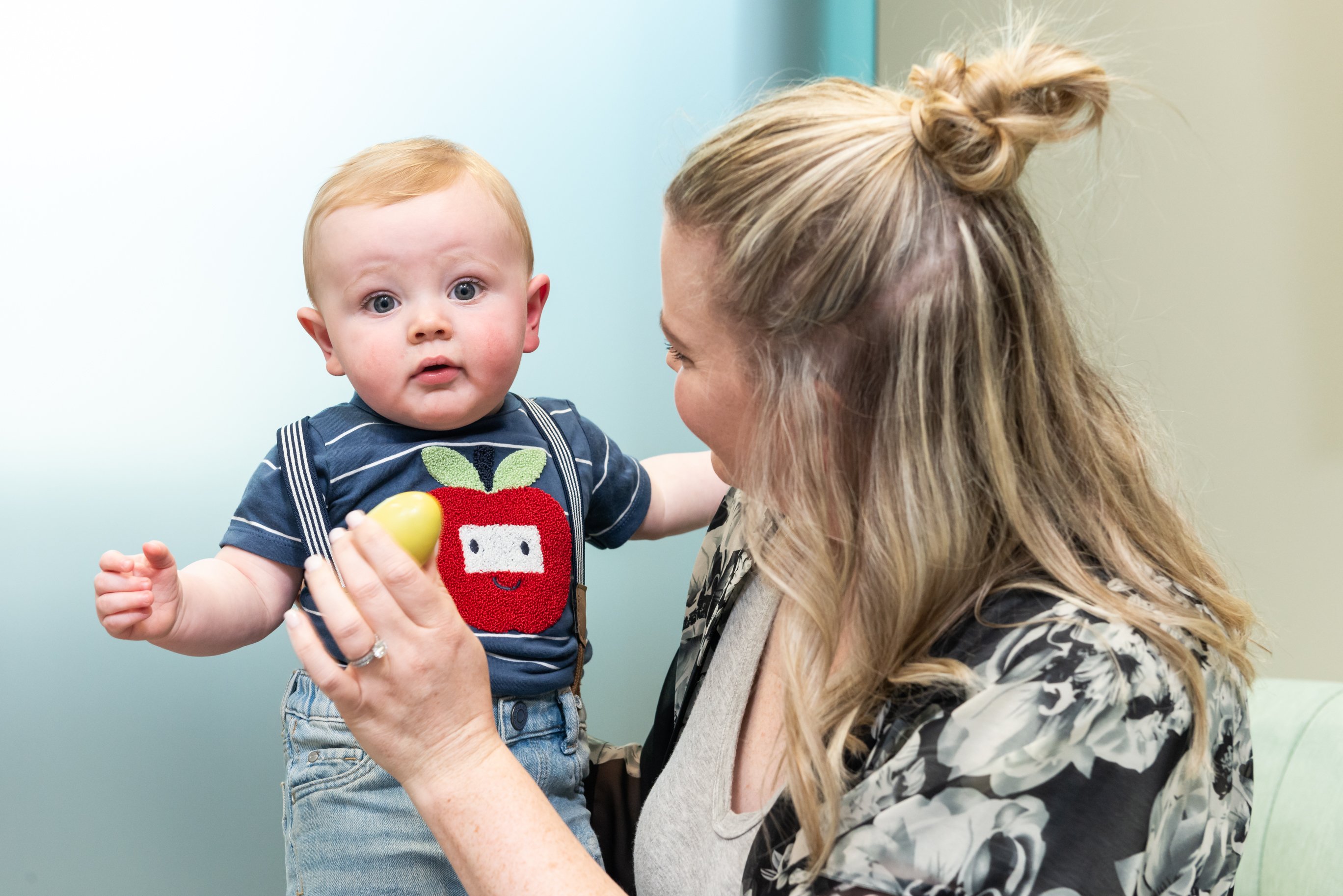
Inklings is a new program for babies aged 6-18 months who are showing early differences in their social interaction and communication development.
Efforts to promote adolescent wellbeing are of increasing global interest. Although the ability to measure wellbeing is essential for identifying disparities between and within populations, and for tracking progress in improving wellbeing, the best way to measure this elusive concept in adolescents is unclear.