
Search
Showing results for "Childhood interstitial lung disease "
When carbohydrates are ingested prior to moderate-intensity exercise, adding repeated sprints is not significantly detrimental to glycaemic management
Maternal chronic illness is associated with an increased risk of poor developmental outcomes for children, particularly daughters
A high-protein meal requires ~50% more insulin to maintain euglycaemia than a low-protein meal that contains the same quantity of carbohydrate
Our findings shed light on the mechanisms of leukemia-induced bone loss
Longer suspends and fewer glycemic excursions occur at night compared with day
There is a 20-min low exogenous glucose demand period during which the glucose requirements to maintain stable glycaemia do not increase during moderate exercise

Congratulations to Associate Professor Rebecca Glauert, Head of the Developmental Pathways and Social Policy Team at The Kids Research Institute Australia and an internationally recognised expert in data linkage.
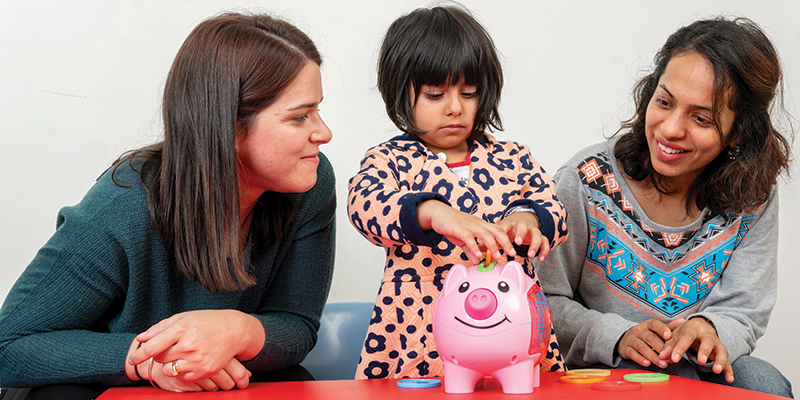
A unique new model developed by the The Kids autism research team marries cutting-edge research with clinical practice to offer families innovative, evidence-based interventions designed to help kids reach their full potential.

Getting the chance to play researcher for the day was a welcome change for Tilly Bignell, who has been in and out of hospital since being diagnosed with brain cancer in late 2018.
In 2010, a large number of children experienced febrile convulsions after receiving the FluVax vaccination and many parents began to question its safety.