
Search
Showing results for "early childhood"
We examined the relationship between a maternal alcohol-use diagnosis, and the timing of diagnosis, and child protection outcomes in a WA population cohort.
decreased serum IgG responses to NTHi outer membrane proteins may contribute to the development of chronic and severe OM in Australian Aboriginal children

Meningococcal disease is caused by the bacteria Neisseria meningitidis, or 'meningococcus'. It's an uncommon but very serious disease that can result in death.

Making FASD History inspires the rest of the world to follow suit.
This project aims to explore how Australian children spend their time over an extended and important period of their lives (from birth to 16/17 years old) and how such time allocation contributes to their development outcomes.

Respiratory Syncytial Virus (RSV) is a year-round threat to the health of babies and young children, and one of the leading causes of infant hospitalisation in Australia. It is highly contagious and can cause anything from mild cold-like symptoms to severe lung infections such as bronchiolitis and pneumonia. For n
Invasive pneumococcal disease remains a major cause of hospitalization and death in Papua New Guinean (PNG) children. We assessed mucosal IgA and IgG responses in PNG infants vaccinated with pneumococcal conjugate vaccine (PCV) followed by a pneumococcal polysaccharide vaccine (PPV) booster.
Elke Lea-Ann Ruth Peter Seppanen Kirkham Thornton Richmond BSc PhD PhD PhD MBBS MRCP(UK) FRACP Program Manager, Bacterial Respiratory Infectious
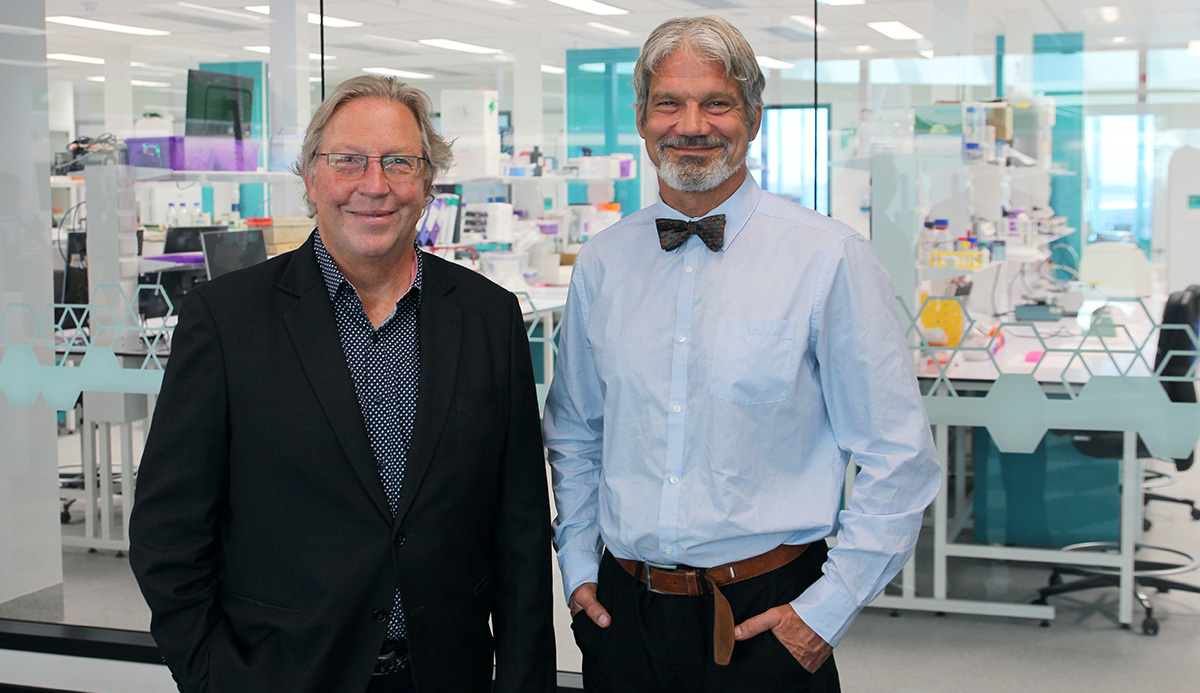
Perth researchers are leading an international clinical trial focused on preventing the spread of COVID-19 by testing the effectiveness of the drug interferon in reducing the infectiousness of people who contract the virus.

The Kids Research Institute Australia cyber safety expert Professor Donna Cross says parents should use the ‘three C’s’ to help keep their children safe online.