
Search
Showing results for "mental health aboriginal"
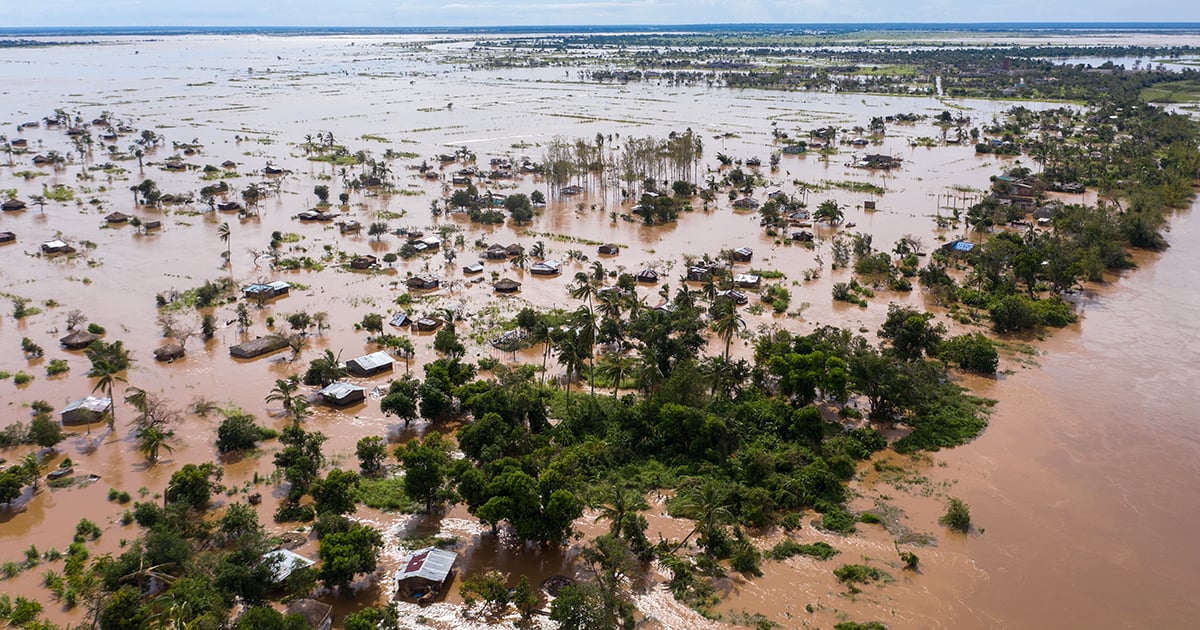
World-first research from The Kids Research Institute Australia and Curtin University predicts climate change could trigger more than 100 million additional malaria cases and 500,000 additional deaths in Africa by 2050, including substantial impacts on children.

The first Australian study to evaluate the nutritional content of Kids’ Menus at restaurants and cafés has found the overwhelming majority are unhealthy.

Research into the potential health impacts of vaping is starting to back up concerns that electronic cigarettes (e-cigarettes) are not as benign as many people think.
Namibia, a low malaria transmission country targeting elimination, has made substantial progress in reducing malaria burden through improved case management, widespread indoor residual spraying and distribution of insecticidal nets. The country's diverse landscape includes regions with varying population densities and geographical niches, with the north of the country prone to periodic outbreaks.

Ten-year-old Keelan Mullins is known to his mum Clare Hindle as her ‘miracle baby’. Keelan was born in March 2013 at 26 weeks’ gestation and weighing just 1096 grams.
The COVID-19 pandemic has exposed many uncertainties and incorrect assumptions about respiratory pathogen transmission.
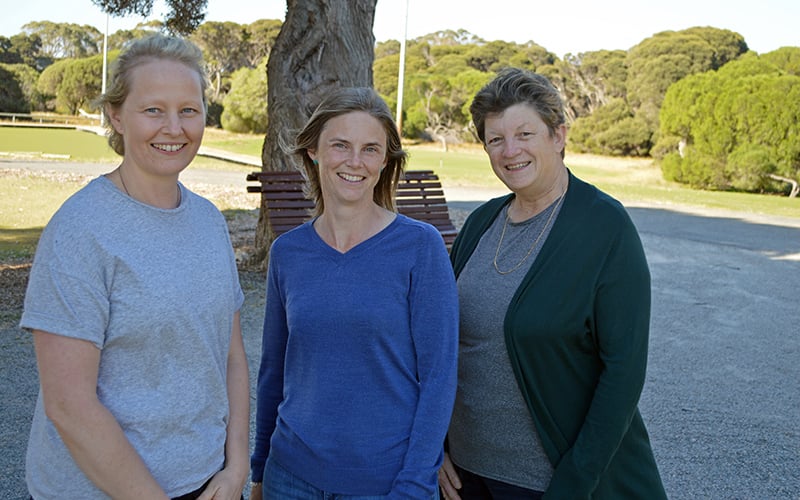
Preterm researchers Dr Shannon Simpson (left) and Professor Jane Pillow (right) with Tony Sparks WA chairperson Amber Bates.
Testing and treating symptomatic malaria cases is crucial for case management, but it may also prevent future illness by reducing mean infection duration. Measuring the impact of effective treatment on burden and transmission via field studies or routine surveillance systems is difficult and potentially unethical. This project uses mathematical modeling to explore how increasing treatment of symptomatic cases impacts malaria prevalence and incidence.
SETBP1 Haploinsufficiency Disorder (SETBD) is characterised by mild to moderate intellectual disability, speech and language impairment, mild motor developmental delay, behavioural issues, hypotonia, mild facial dysmorphisms, and vision impairment. Despite a clear link between SETBP1 mutations and neurodevelopmental disorders the precise role of SETBP1 in neural development remains elusive.
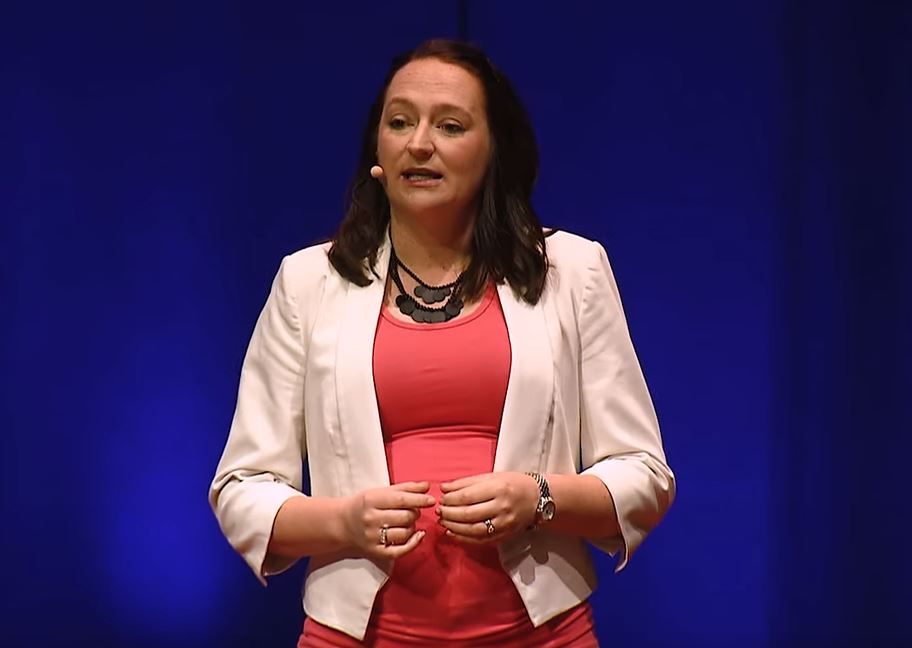
Dr Hannah Moore was one of WA’s brightest minds chosen to speak at TEDX Perth in November last year, presenting her insights into the power of data in fighting infectious diseases to a sold-out crowd at the Perth Concert Hall.