
Search
Showing results for "clinical trials"

Perth’s north-east is under threat from an out-of-control bushfire.
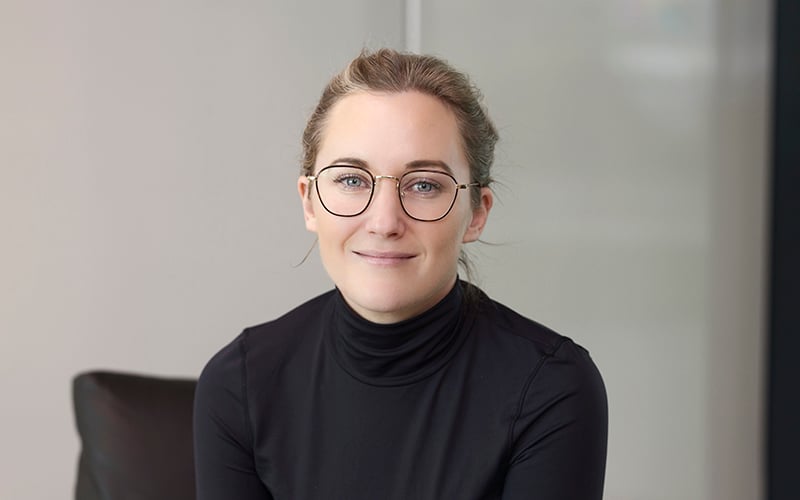
The Kids Research Institute Australia researcher, Niamh Troy, has been named a joint winner of the Exxon Mobile Student Scientist of the Year award at the Premier’s Science Awards.
A project to uncover treatable traits to improve the lung health of people born preterm has been made possible thanks to a $1.99 million Medical Research Future Fund (MRFF) grant.
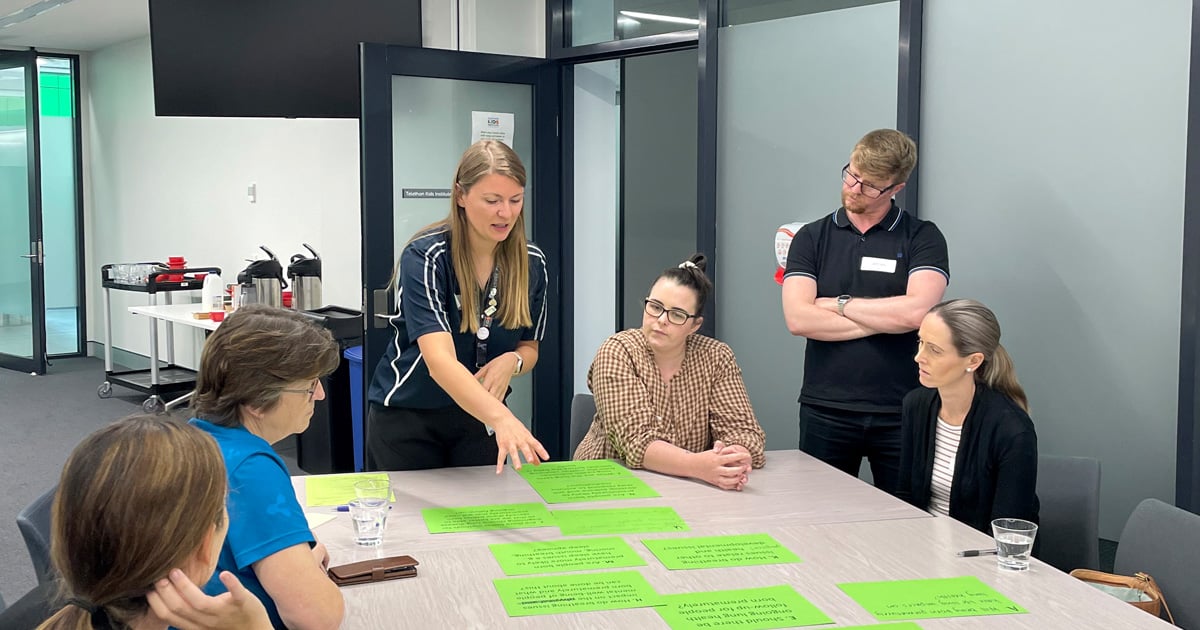
Respiratory disease remains one of the most significant complications of preterm birth, with lasting consequences.
For decades, cystic fibrosis (CF) meant a life shaped by daily treatments, frequent hospitalisations, and an uncertain future. The arrival of CFTR modulators has changed that picture dramatically, and researchers at the Wal-yan Respiratory Research Centre now want to understand the bigger picture.
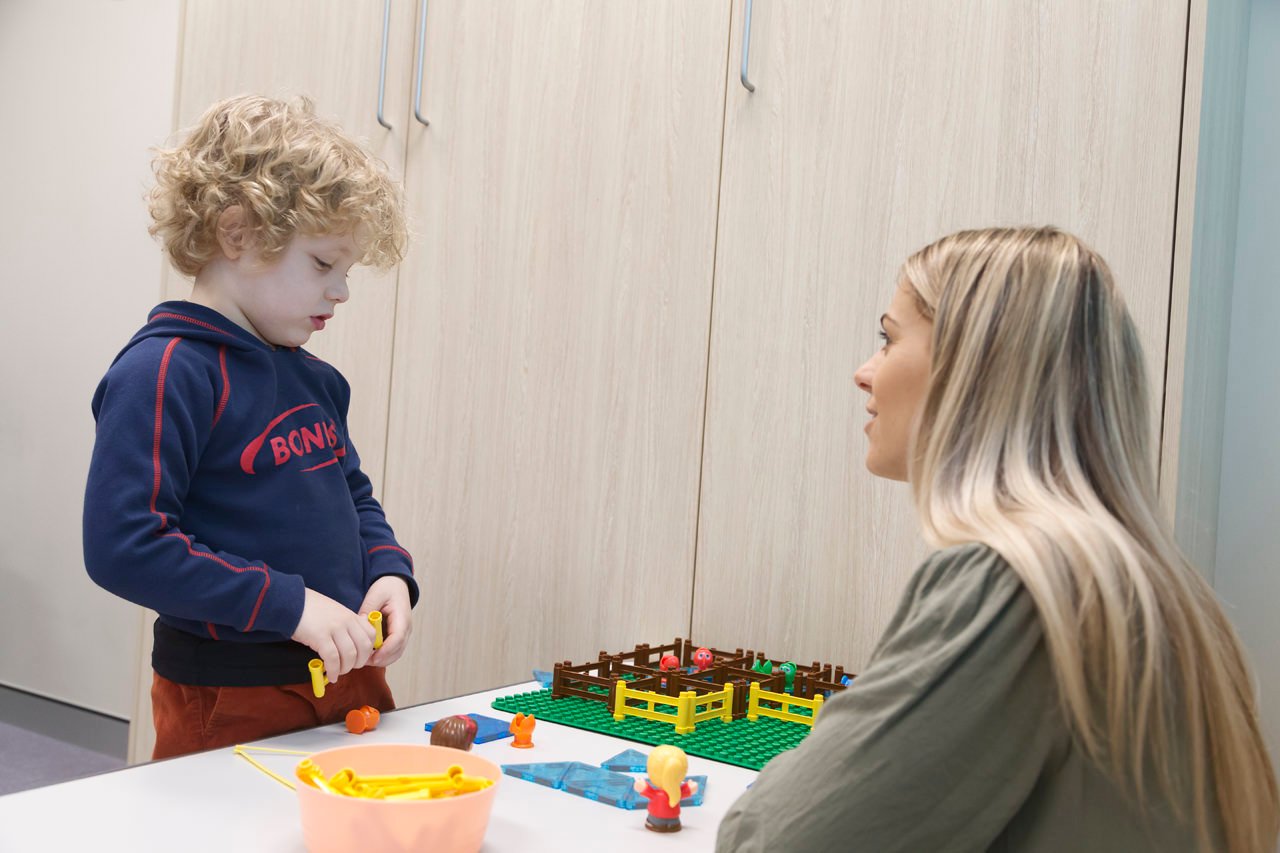
Find out more about Paediatric Autism Communication Therapy training for allied health and autism professionals at CliniKids.
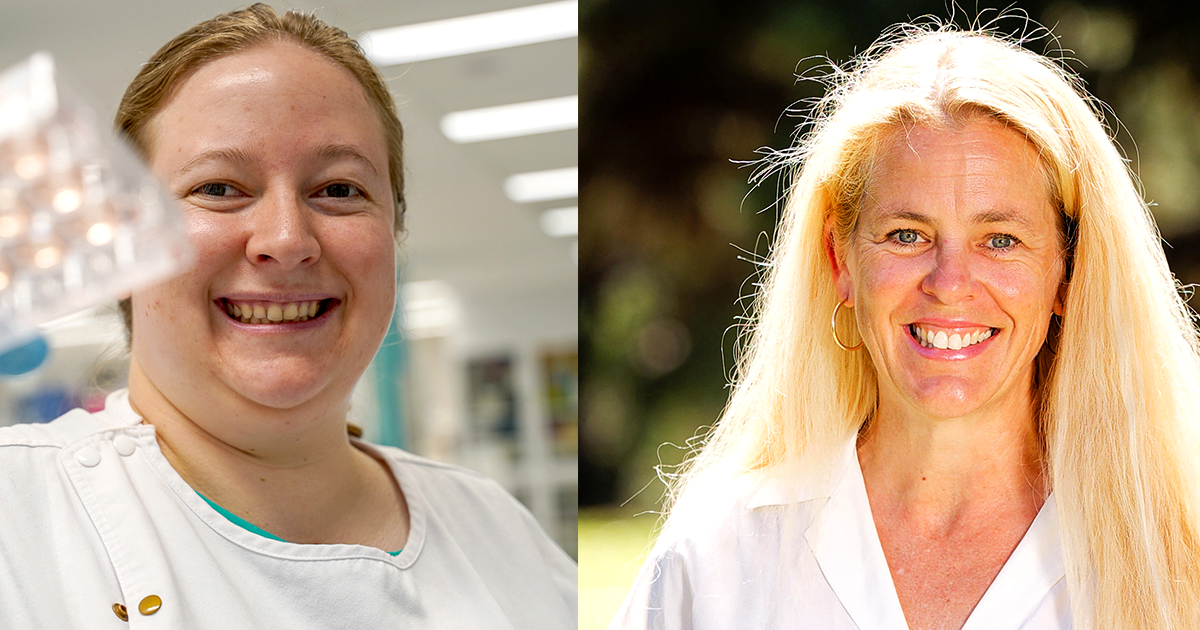
Two leading researchers from The Kids received significant endorsements to advance their research at last night’s Thoracic Society of Australia and New Zealand and the Australian and New Zealand Society of Respiratory Science (TSANZSRS) Annual Scientific Meeting in Adelaide.
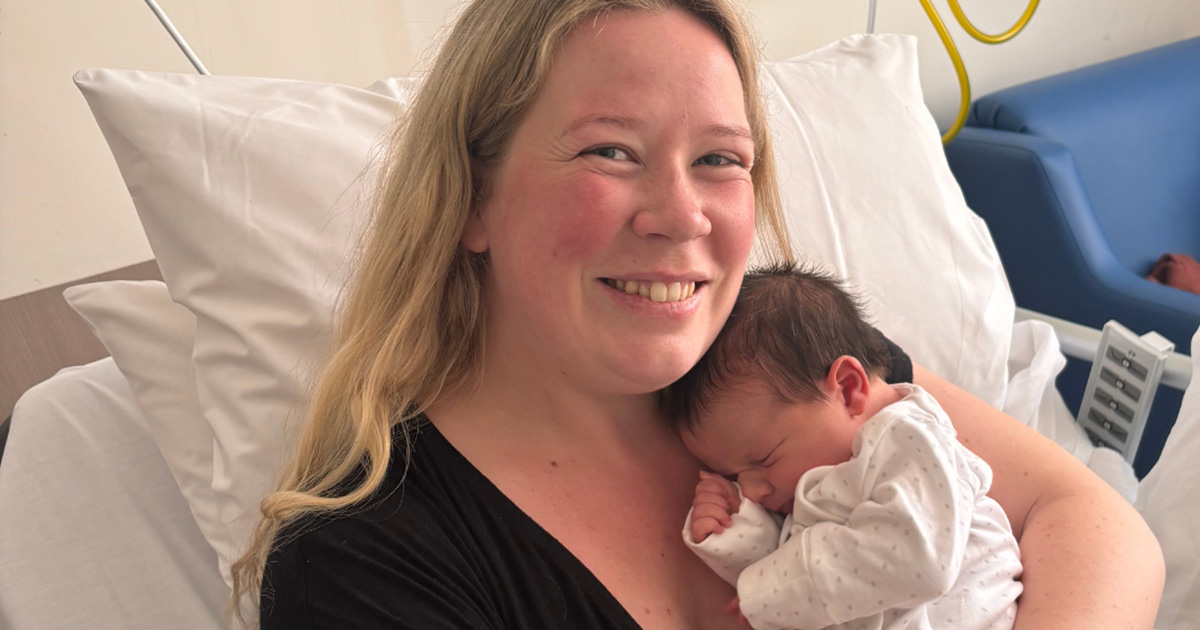
Australia’s biggest longitudinal study following the health and wellbeing of children from their conception through to childhood, has welcomed its 10,000th and final participant.
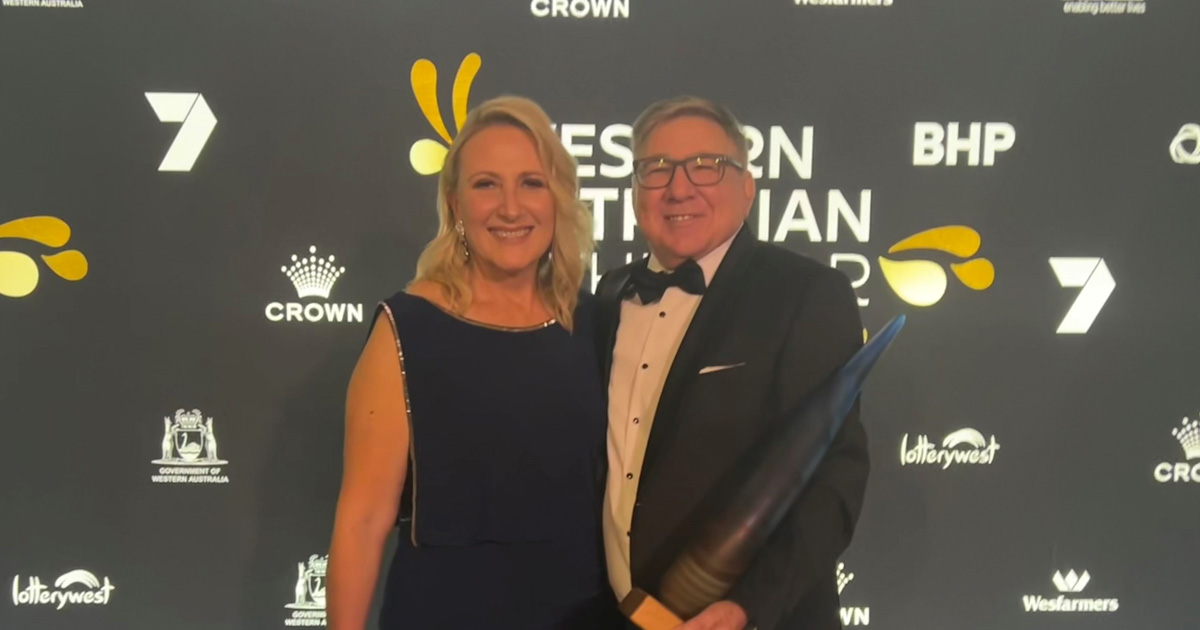
The Kids Research Institute Australia extends its warmest congratulations to health consumer champion Mitch Messer, who won the Community category at the 2024 West Australian of the Year awards last night.
The generous support of Western Australians through Channel 7’s Telethon is helping to fund life-changing child health research, with two The Kids Research Institute Australia researchers awarded significant grants.