
Search
Showing results for "early lung health"
Improvements in neonatal critical care have resulted in more people than ever reaching adulthood after being born prematurely. At the same time, it is becoming clearer that preterm birth can increase the risk of respiratory disease throughout a person’s lifetime. Awareness that a patient was born preterm can enable early specialist assessment and intervention when there is any concern about lung health.
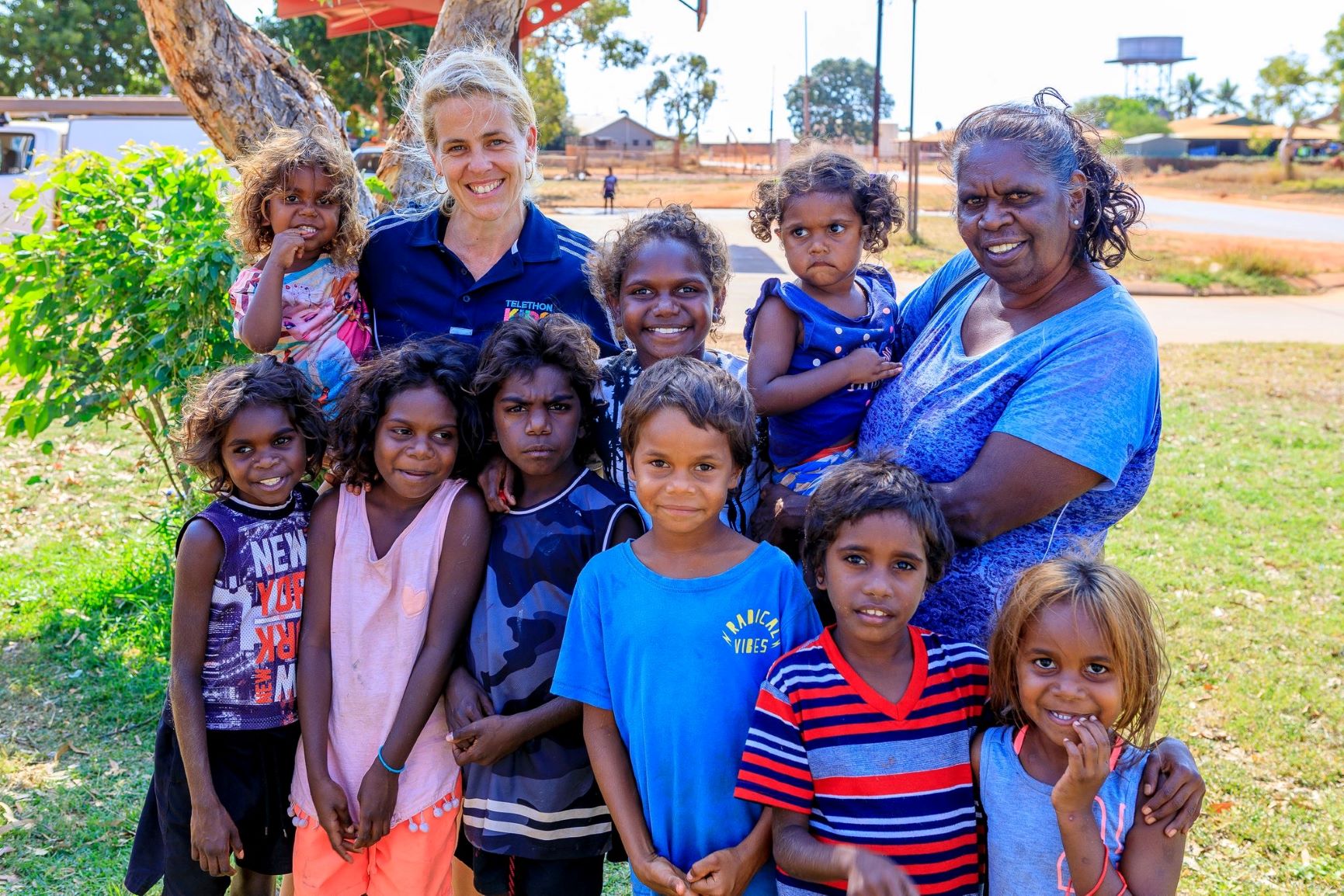
Respiratory illness accounts for 12% of the age-standardised gap in mortality between Indigenous and non-Indigenous Australians.

Have you ever wondered how your lungs work? Researchers from our Children’s Lung Health Team show you how to make a simple lung model by using common household items.
This paper is an introduction to a series of articles about improved measurement of lung function in patients with chronic lung disease.
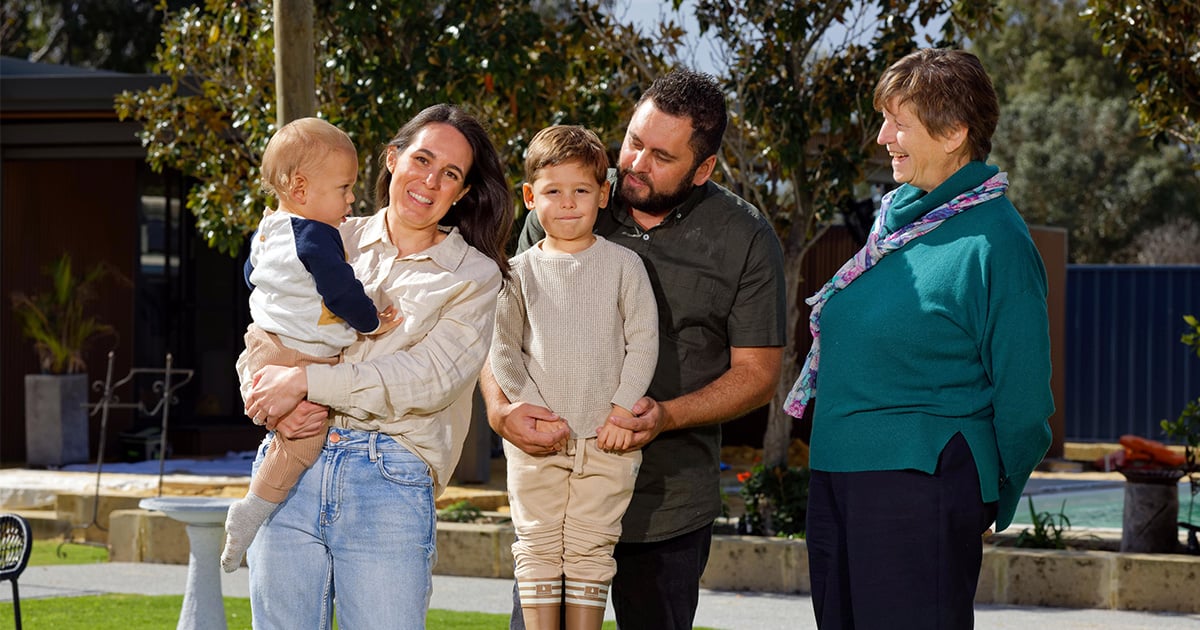
CIRCA DIEM is using an inexpensive set of eye masks and ear plugs to teach babies born too soon how to tell the difference between night and day – a simple skill which could have lifelong implications for their health and development.

Our Child Physical Activity, Health and Development team focuses on improving children’s physical activity levels, health and development. We work to uncover the best environments, policies and programs to facilitate physically active lifestyles for lifelong health and wellbeing.
The prevalence of vitamin D deficiency is increasing and has been linked to obstructive lung diseases including asthma and chronic obstructive pulmonary disease
Early life lower respiratory tract illness impairs lung function at 1 year, independent of baseline lung function

Lung Clearance Index and Structural Lung Disease on Computed Tomography in Early Cystic Fibrosis Abstract Rationale: The lung clearance index is a
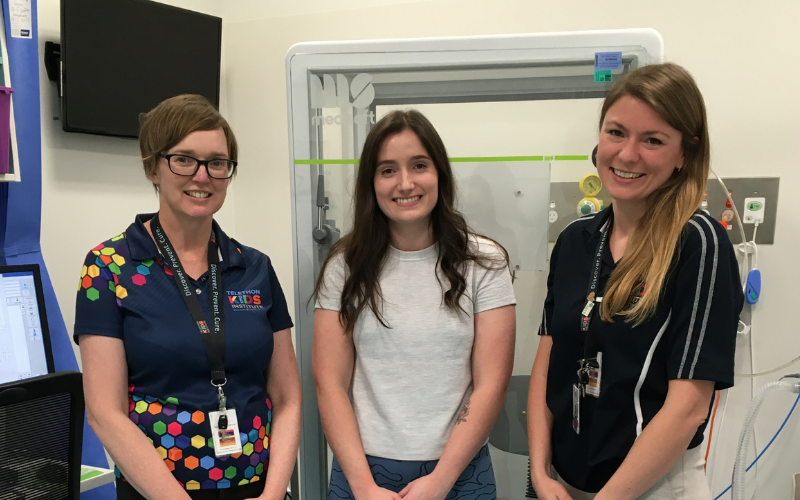
A study which set out to determine ways to predict the long-term lung health of young adults born very preterm has shown that a childhood history of respiratory hospital admission should be a key consideration in the management of preterm children and adults.