
Search
Showing results for "mental health aboriginal"
This study is a partnership between researchers, the Aboriginal community and government to provide evidence for policy and practice addressing high priority health and wellbeing issues for Aboriginal children and families.
This resource kit for Aboriginal health workers is an exciting milestone in the Rio Tinto Aboriginal Health partnership with The Kids Research Institute Australia
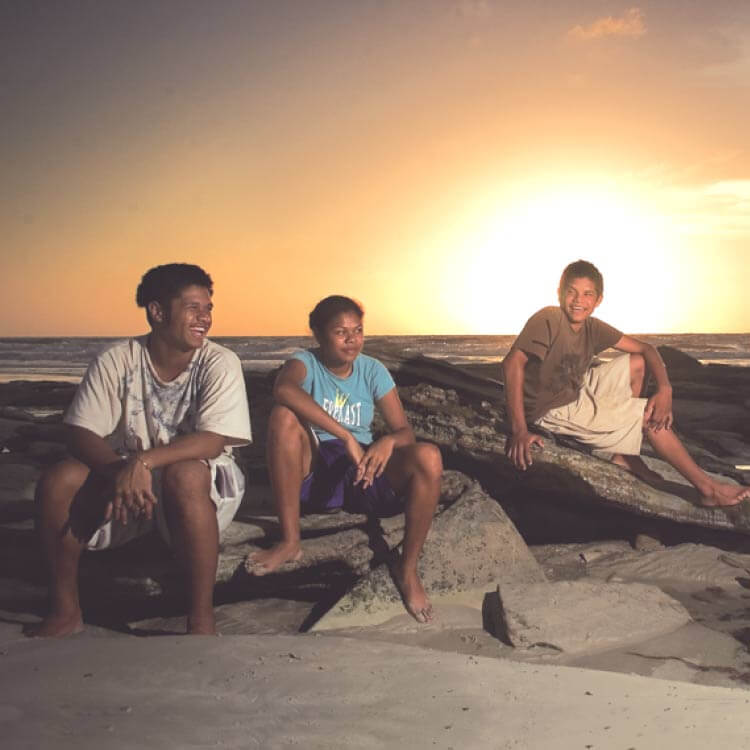
The Kids created history by surveying 1 in 6 indigenous children across the State and collecting information on just how this generation is travelling.
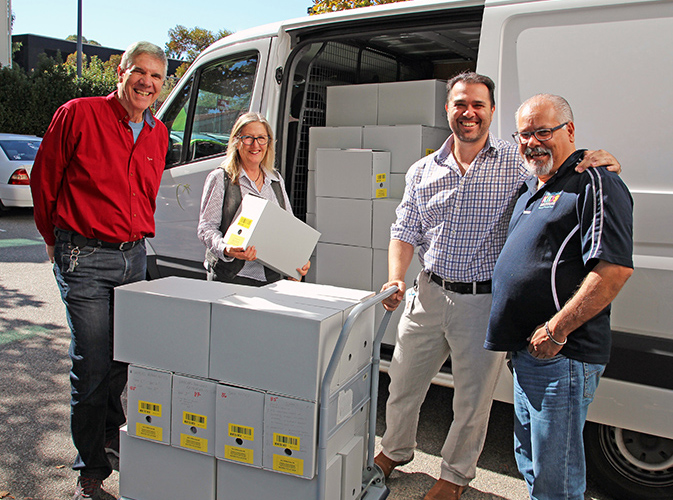
The landmark Western Australian Aboriginal Child Health Survey has been placed into archiving at the State Library of Western Australia to be preserved for future generations.
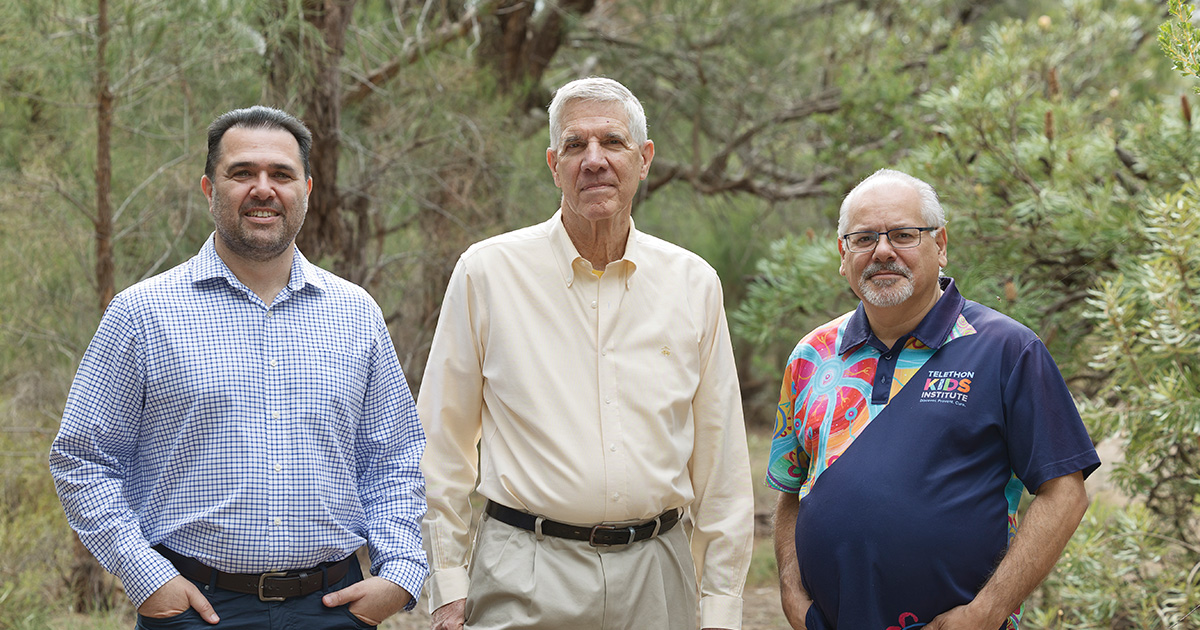
In 1998, The Kids Research Institute Australia embarked on one of the most ambitious population health projects in Western Australian history.
Every year 650,000 Australian children suffer from recurrent or chronic middle ear infections called otitis media (OM).
The first Capacity Building Grant comprising solely of Indigenous researchers has been completed successfully
The ACE project is led by Dr Pamela Laird and aims to improve post-hospitalisation follow-up of Indigenous children hospitalised with acute lower respiratory tract infections.
School-based social risk processes in the lives of young people with chronic health conditions are likely to contribute to risk of psychological problems
Creating the conditions for meaningful relationships is essential to understanding Aboriginal worldviews and co-designing ways of working to achieve better health outcomes. Non-Aboriginal health professionals struggle to recognise the importance of social relationships to Aboriginal peoples and tensions emerge due to these different worldviews informed by different ontologies and epistemologies. This is more so in clinical settings where training and models of care are often inadequate for working with Aboriginal people.