
Search
Showing results for "preterm birth lungs"
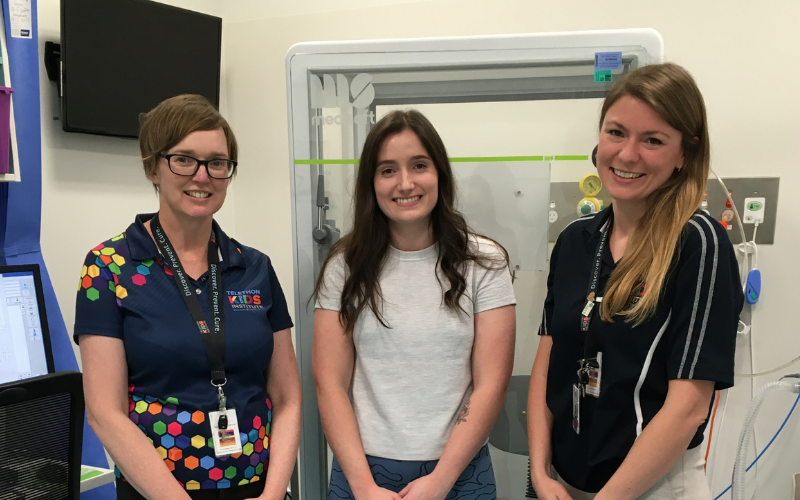
A study which set out to determine ways to predict the long-term lung health of young adults born very preterm has shown that a childhood history of respiratory hospital admission should be a key consideration in the management of preterm children and adults.
Inflammation and oxidative stress play a key role in the development of bronchopulmonary dysplasia (BPD), possibly contributing to persistent respiratory morbidity after preterm birth. We aimed to assess if inflammatory markers were elevated in exhaled breath condensate (EBC) of infants born very prematurely (< 32 weeks gestation) at 12-16 corrected months of age, and if increased levels were associated with BPD diagnosis and respiratory morbidity.
Improvements in neonatal critical care have resulted in more people than ever reaching adulthood after being born prematurely. At the same time, it is becoming clearer that preterm birth can increase the risk of respiratory disease throughout a person’s lifetime. Awareness that a patient was born preterm can enable early specialist assessment and intervention when there is any concern about lung health.
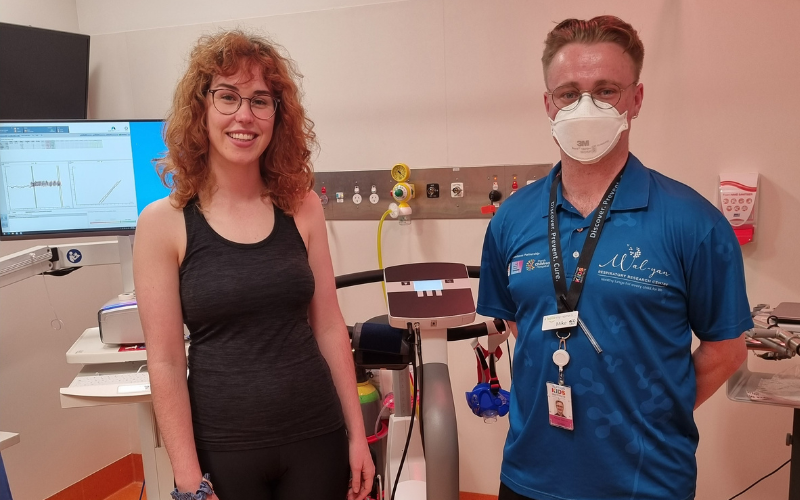
Natasha, who is a participant in the West Australian Lung Health in Prematurity (WALHIP) study, this week became the first person to receive a lung health assessment using new state-of-the-art lung function testing equipment at Perth Children’s Hospital.
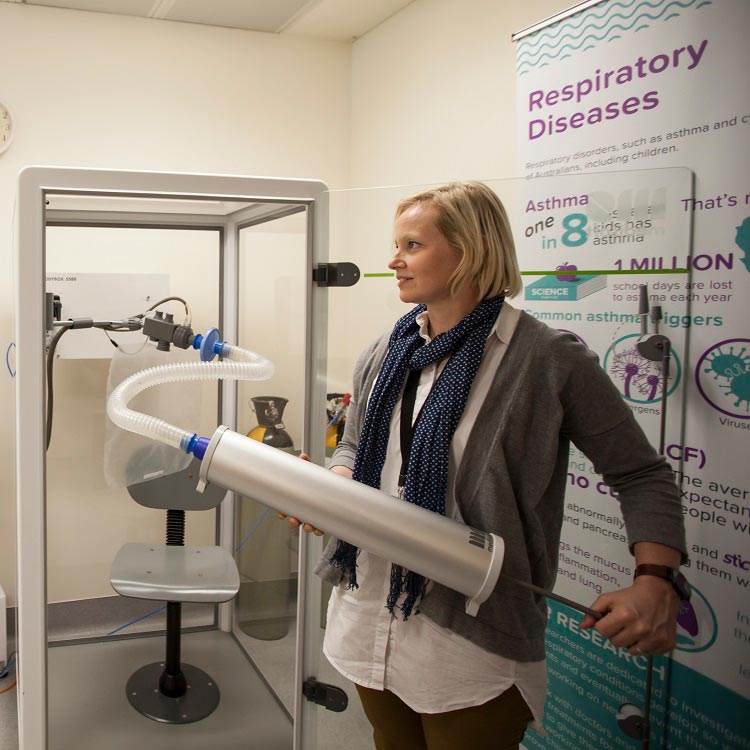
A The Kids Research Institute Australia study published in The Lancet Child & Adolescent Health has found that survivors of very preterm birth face declining lung function
Ventilated preterm infant lungs are vulnerable to overdistension and underinflation.
Preterm infants have immature control of breathing and impaired pulmonary gas exchange. We hypothesized that infants with bronchopulmonary dysplasia (BPD) have a blunted ventilatory response and peripheral oxygen saturation (SpO2 ) instability during a hypoxic challenge.
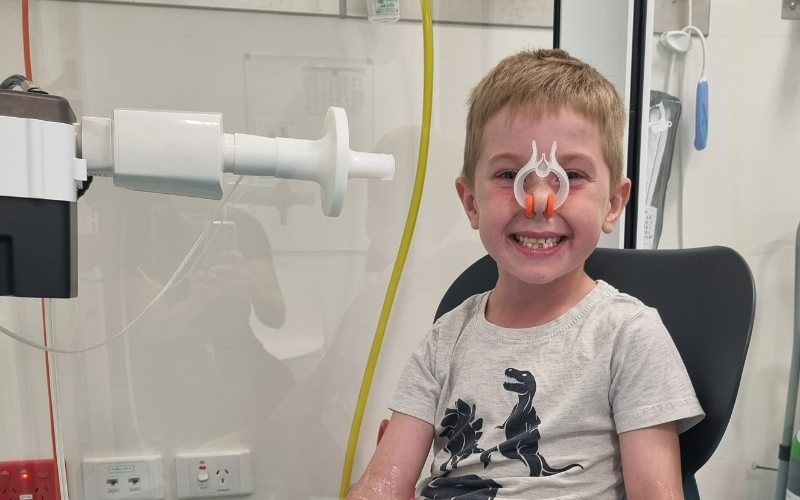
A new study to determine if it’s safe for children who were born preterm to attend day care officially commenced this month.
Many survivors of preterm birth (<37 weeks gestation) have lifelong respiratory deficits, the drivers of which remain unknown. Influencers of pathophysiological outcomes are often detectable at the gene level and pinpointing these differences can help guide targeted research and interventions. This study provides the first transcriptomic analysis of primary nasal airway epithelial cells in survivors of preterm birth at approximately 1 year of age.
Nonrecurrent risk of stillbirth, Preterm birth, and small for gestational age after exposure to one or more of these complications in a previous pregnancy