
Search
Showing results for "early childhood"
Hip Hop 2 SToP video It didn’t take long for shyness to make way for excitement when a group of children from Dampier Peninsula communities got
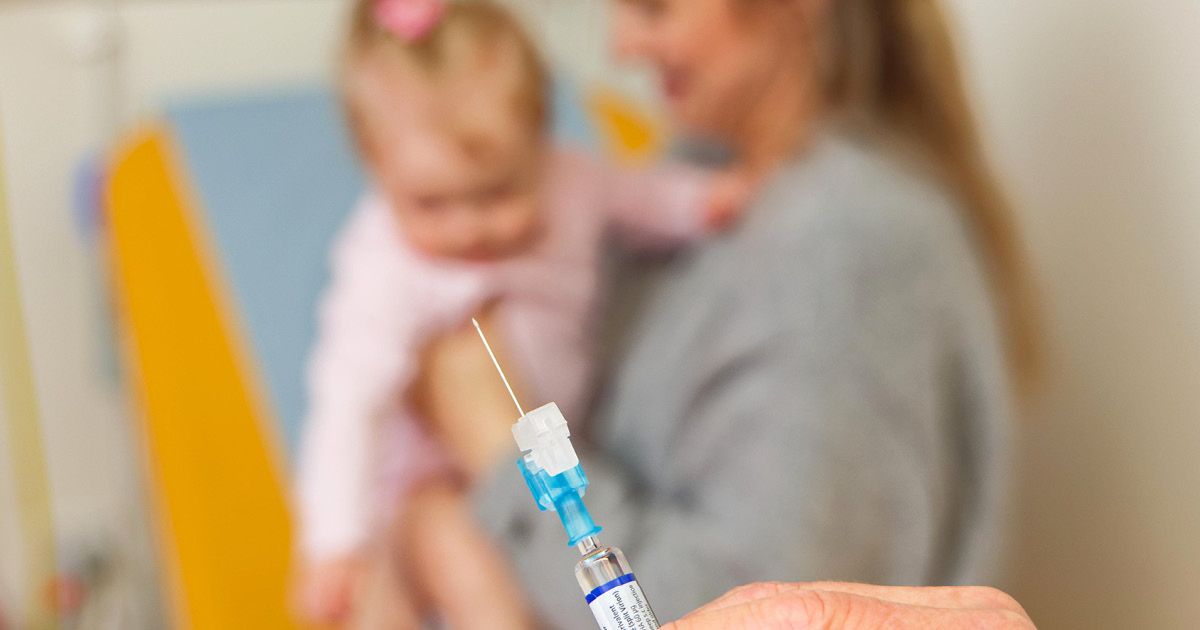
As a leading research site in Australia, the Wesfarmers Centre of Vaccines and Infectious Diseases played an instrumental role in the global effort to develop a world-first RSV immunisation for young babies.
Gliomas are the most common type of malignant primary central nervous system (CNS) tumors, resulting in significant morbidity and mortality in children and adolescent and young adult (AYA) patients. The discovery of mutations in isocitrate dehydrogenase (IDH) genes has dramatically changed the classification and understanding of gliomas. IDH mutant gliomas have distinct clinical, pathological, and molecular features including a favorable prognosis and response to therapy compared to their wildtype counterparts.
Ion channel activity underlying biological processes that drive high-grade gliomas (HGG) is largely unknown. We aimed to determine the networking of ion channel genes and validate their expression within HGG patient tumors, to identify ion channel-targeting drugs that would inhibit tumor-promoting processes.
Pediculosis capitis is a worldwide prevalent public health issue, mostly involving children. Resistance has been increasingly identified with conventional treatments such as permethrin or malathion. We aimed to evaluate the therapeutic potential of plant-based therapies for pediculosis capitis. PubMed, MEDLINE, Embase, EmCare, Web of Science, Cochrane, and ScienceDirect were searched for studies.
Life-threatening invasive infections caused by Streptococcus pyogenes and Streptococcus dysgalactiae subsp. equisimilis (SDSE) are unpredictable, frequently fatal, and are increasing in incidence globally. In the absence of evidence from randomized controlled trials (RCTs), clinical management for these conditions varies. Understanding current management approaches and areas of clinical equipoise will inform planning of feasible high-impact RCTs.
Perceived stigma and self-stigma negatively affect identity-related, psychological and functional outcomes among stigmatised populations. There is limited research exploring the impact of stigma among young people at ultra-high risk (UHR) for psychosis. We investigated the association of perceived stigma and self-stigma with these outcomes in young people at UHR.
Vaccination against SARS-CoV-2 was a crucial public health measure during the COVID-19 pandemic. Among the multiple strategies developed to increase vaccine uptake, governments often employed vaccine mandates. However, little evidence exists globally about the impact of these mandates and their subsequent removal on vaccine uptake, including in Australia, France, Italy and the USA.
Two RSV immunisations products: a maternal vaccine, Abrysvo, and a long-acting monoclonal antibody, nirsevimab, both designed to prevent RSV illness in infants, have recently become available. Modelling evidence is required to inform how to optimally use these products in immunisation programs to reduce the burden of RSV in young children.
Respiratory Syncytial Virus (RSV) causes a significant burden of illness for children under 2 years of age. Nirsevimab, a long-acting monoclonal antibody, was registered for RSV prevention in Australia in 2023. In April 2024, Western Australia (WA) launched the country's first state-wide nirsevimab program for all infants and high-risk children entering their second RSV season.