
Search
Showing results for "early lung health"
To explore parents' experiences of using continuous glucose monitoring in their young children with early-stage type 1 diabetes, being followed in the Australian Environmental Determinants of Islet Autoimmunity (ENDIA) study.
Less than 20% of Australians with type 1 diabetes (T1D) meet recommended glucose targets. Technology use is associated with better glycaemia, with the most advanced being automated insulin delivery (AID) systems, which are now recommended as gold-standard T1D care. Our Australian AID trial shows a wide spectrum of adults with T1D can achieve recommended targets. Other studies, including lived experience data, are supportive. Insulin pumps are not subsidised for most Australian adults with T1D. We advocate change.
The pattern and quantity of insulin required for high-protein high-fat (HPHF) meals is not well understood. This study aimed to determine the amount and delivery pattern of insulin required to maintain euglycemia for 5 hours after consuming a HPHF meal compared with a low-protein low-fat (LPLF) meal.
Dietary fat and protein impact postprandial hyperglycaemia in people with type 1 diabetes, but the underlying mechanisms are poorly understood. Glucoregulatory hormones are also known to modulate gastric emptying and may contribute to this effect.
Type 1 diabetes presents significant challenges for optimal management. Despite intensive glycaemic control being the standard of care for several decades, glycaemic targets are infrequently achieved and the burden of complications remains high. Therefore, the advancement of diabetes management technologies has a major role in reducing the clinical and economic impact of the disease on people living with type 1 diabetes and on health care systems.
Serum 25 hydroxyvitamin D [25(OH)D] levels of pregnant women have been linked to various health outcomes in their offspring. Satellite-derived ultraviolet radiation (UVR) data have been used as a proxy for 25(OH)D levels, as individual-level cohort studies are time-consuming, costly and only feasible for common outcomes.
Besides the challenges associated with their teenage years, adolescents with Type 1 Diabetes (T1D) encounter additional challenges of having a chronic condition.

Did you know that we now have a 'triage' section on the DiabHQ app with useful documents and a FAQs page.

Good planning and communication between families and schools is very important to ensure children are safe and supported. With the new school year underway, hear from our Social Work team with their top tips on managing the start of a new school year.

The festive spirit has been on full display at Perth Children's Hospital (PCH) this December with children and youth living with T1D joining in on the action
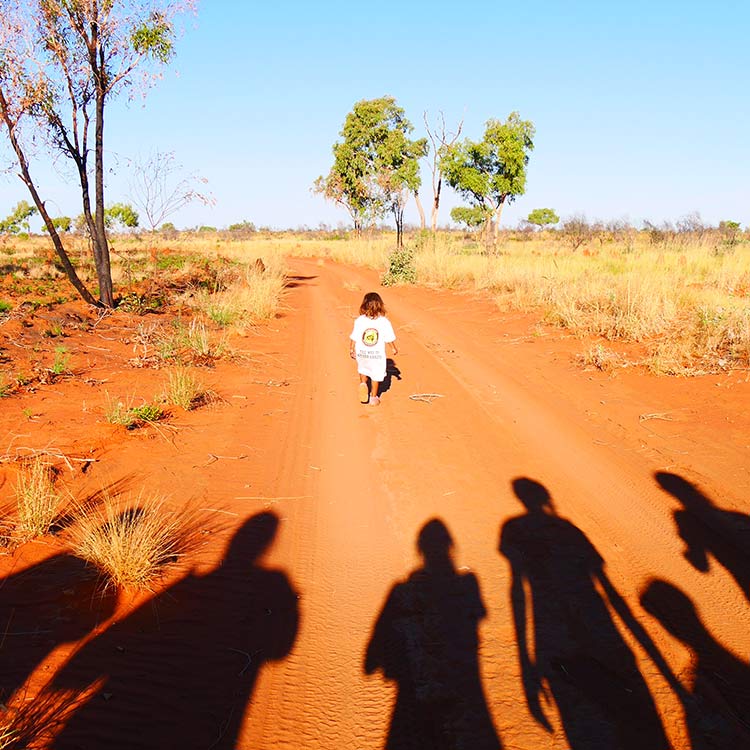
The Kids has recruited Dr Timothy Barnett to embark on a Fellowship to help close gaps in health outcomes between Indigenous and non-indigenous kids
Growing up in socioeconomic disadvantage increases risk of peer bullying at school. Both socioeconomic status and involvement in bullying are predictive of a range of adverse developmental outcomes. However, neither (a) the mechanisms whereby disadvantage increases bullying risk nor (b) the developmental outcomes for which bullying may mediate disadvantage are clear.
There is a large volume of research on the persistence of advantage and disadvantage across generations. Intergenerational studies typically address family resources as independent factors, which ignores how risks cluster together and accumulate over time.
Australians who are Not in Employment, Education or Training (NEET) and receive income support span a wide spectrum of working ages. Australian research has concentrated on NEETs aged 15-29 years, in line with international standards. This paper investigates extending the NEET concept to include all working age persons 15-64 years and the value added to welfare policy through analysis of a new linked dataset.
The Kids Research Institute Australia's Human Capability Team has been asked by the Commonwealth Department of Education, Skills and Employment (DESE) to prepare a methodology and project plan to conduct a nationally-representative survey of bullying prevalence among children and young people in Years 4–10.
We analyzed two large-scale surveys, and found high rates of smoking in people with mood disorders and both with and without substance dependence disorders.
The ultimate goal of this project is to enable policy-makers and researchers to work together to influence positive changes in the life trajectories of disadvantaged Australians via research driven policy initiatives.
A student’s learning potential is limited if they do not attend school regularly.
Tasmania's Child and Family Centres are having a positive impact on parent's use and experiences of services and supports for young children