
Search
Showing results for "early lung health"

Rachelle Wicks is a Research Fellow at CliniKids.
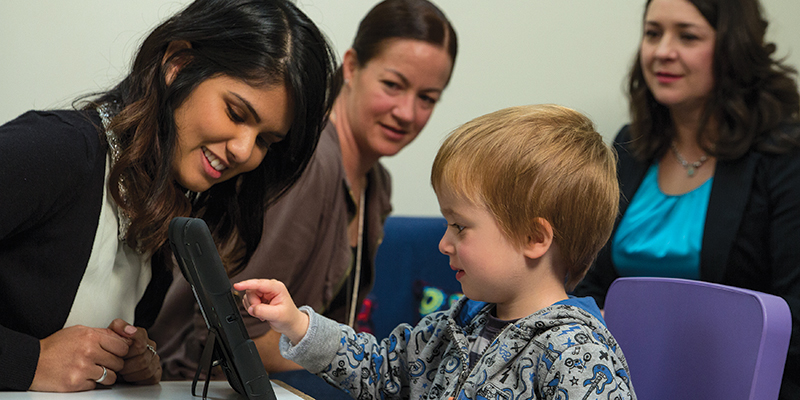
An attention-training game developed by researchers at The Kids Research Institute Australia is helping to improve social skill development in school-aged kids with autism.
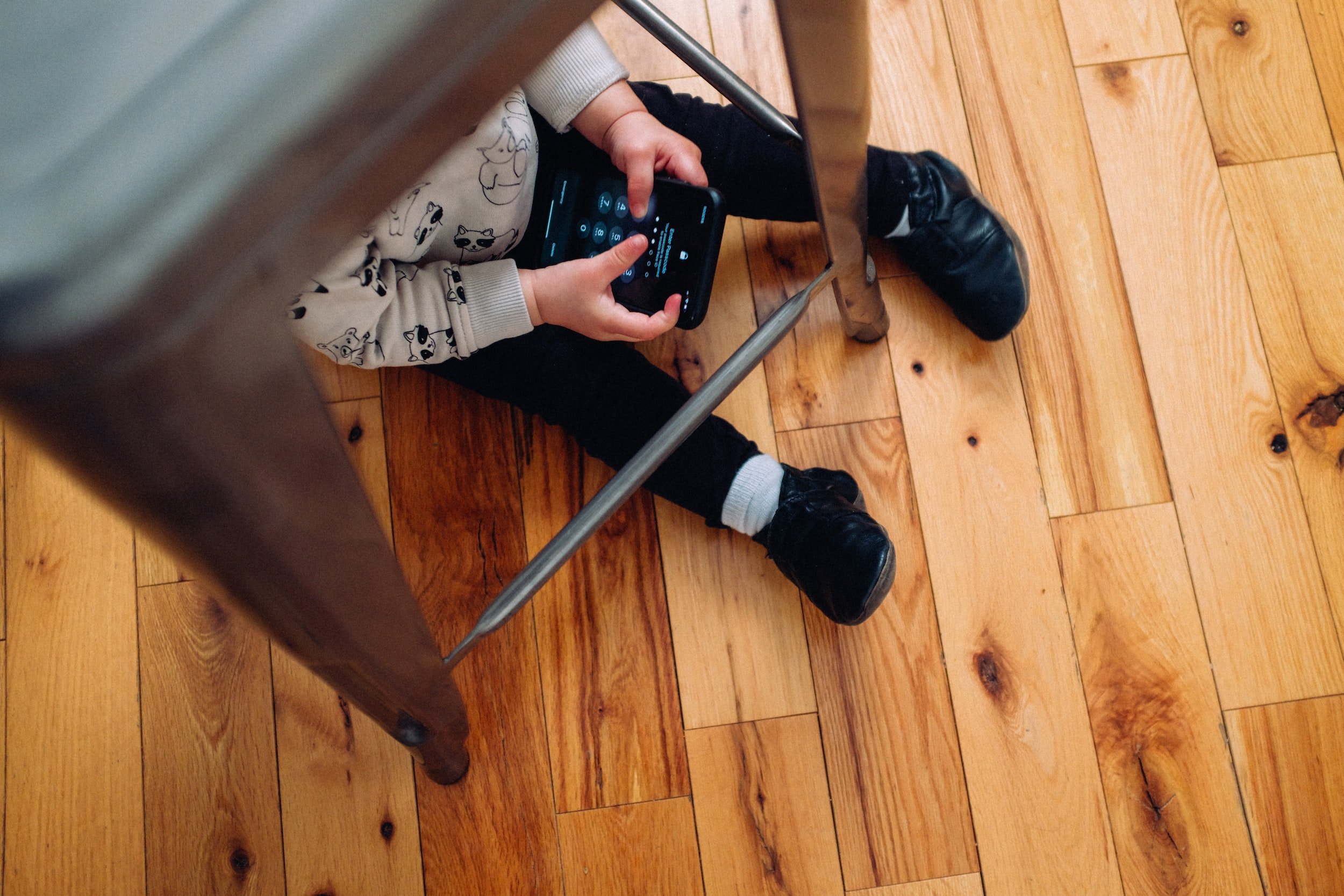
The Early Start Screen Smart Program was developed with parents, for parents and professionals, and backed by research.
It is likely that young people who are both Aboriginal and Torres Strait Islander and LGBTQA+ would be at increased risk for poor mental health outcomes due to the layered impacts of discrimination they experience; however, there is very little empirical evidence focused on the mental health and wellbeing of Aboriginal and Torres Strait Islander LGBTQA+ young people. The current study represents a qualitative exploration of wellbeing among Aboriginal LGBTQA+ young people.
Family-based lifestyle interventions (FBLIs) are an important method for treating childhood weight problems. Despite being recognized as an effective intervention method, the optimal structure of these interventions for children’s overweight and obesity has yet to be determined.
The choice of RHD is telling: the disease is a marker of inequality, a novel lens for considering health systems and a feasible target for disease control.
The aim of this paper was to estimate the degree to which smoke-free facilities may facilitate smoking cessation in smokers with mental illness by estimating...
Stopping Acute Rheumatic Fever Infections to Strengthen Health
This study aims to examine the experience of multiple disadvantages in two generations of Australian families, and how these experiences relate to the trajectories of children, the third generation.
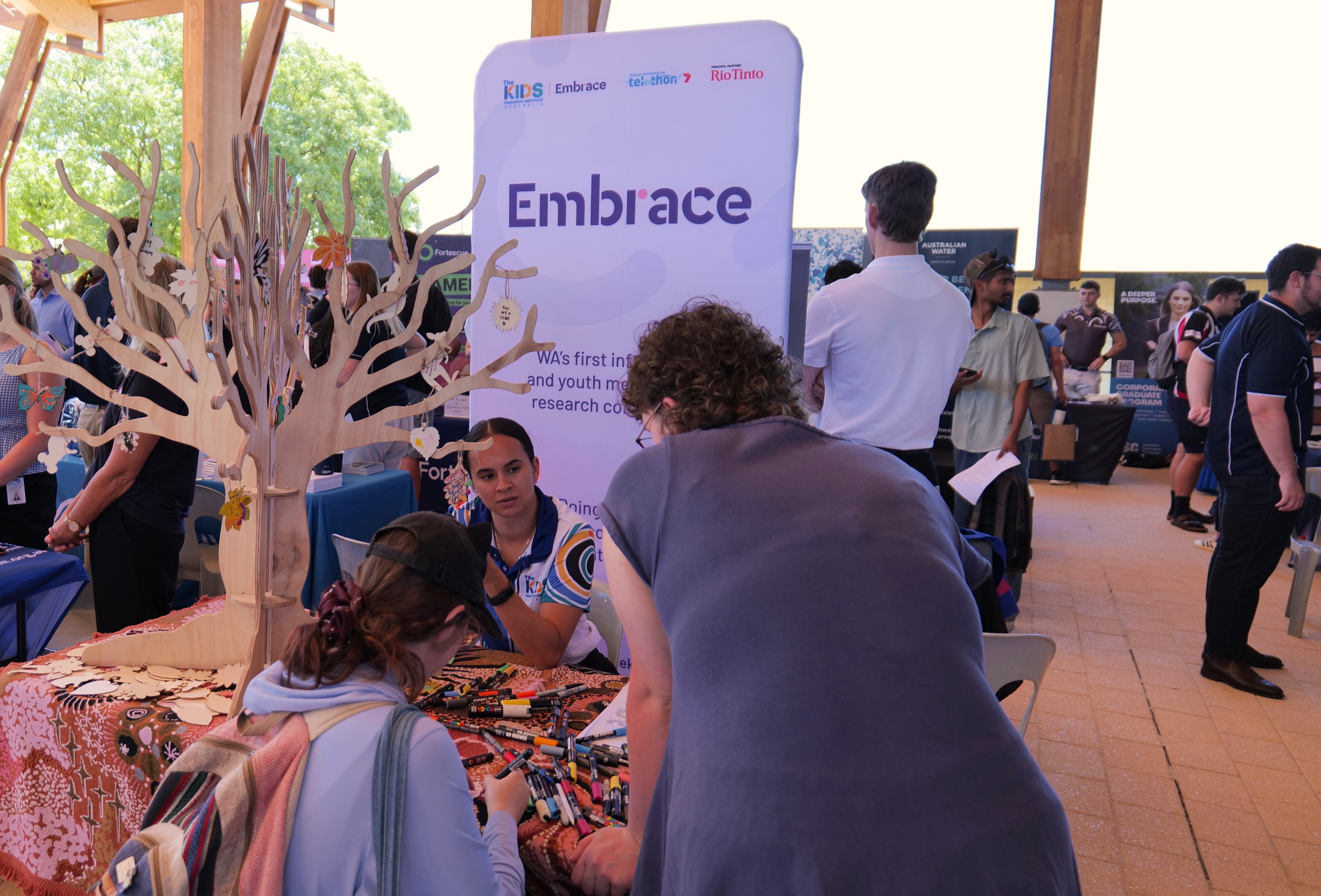
Budding students were eager to speak to Embrace and Kulunga staff about cultural safety and mental health at Murdoch University’s 2026 Career Fair.