
Search
Showing results for "clinical trials"

Young Minds Matter is the second Australian Child and Adolescent Survey of Mental Health and Wellbeing.
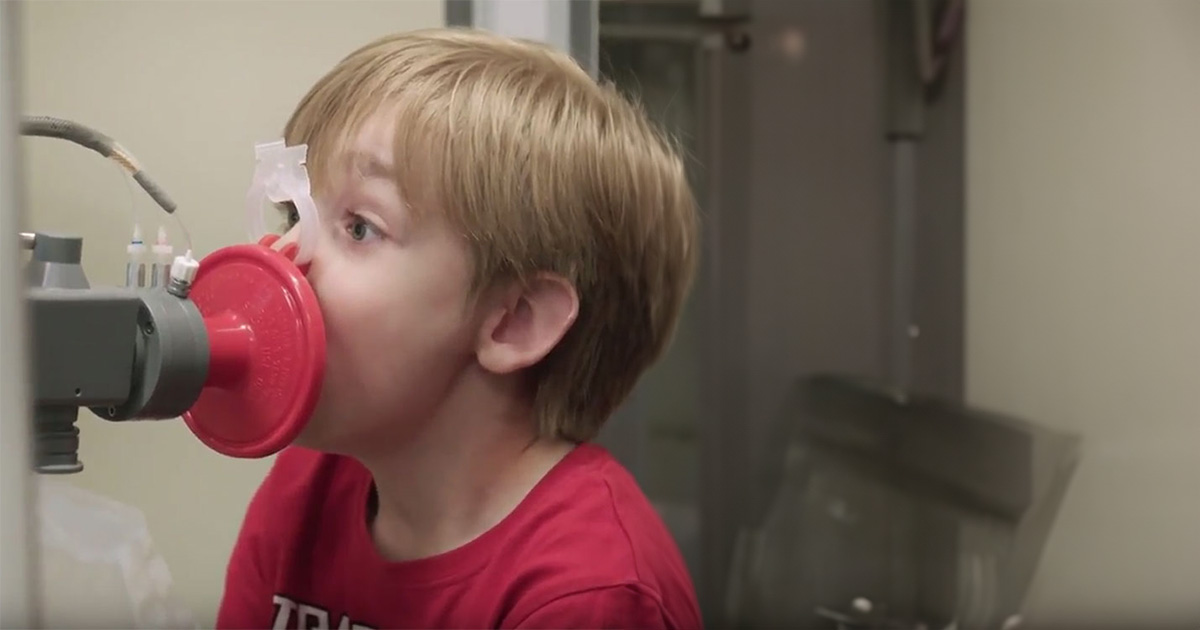
Children who live in the outer suburbs of Australia’s four biggest cities are twice as likely to have asthma as those living in inner city areas, according to a new study based on health data captured in the last Australian Census.
At the American Society of Tropical Medicine and Hygiene (ASTMH) Annual Meetings in 2024 and 2025, our team convened stakeholder engagement sessions on next-generation malaria vaccines.
Strep A causes a huge global burden of disease, from sore throats to rheumatic heart disease. Our team is developing a computer simulation model, OpenStrepA, to help researchers tackle this disease.
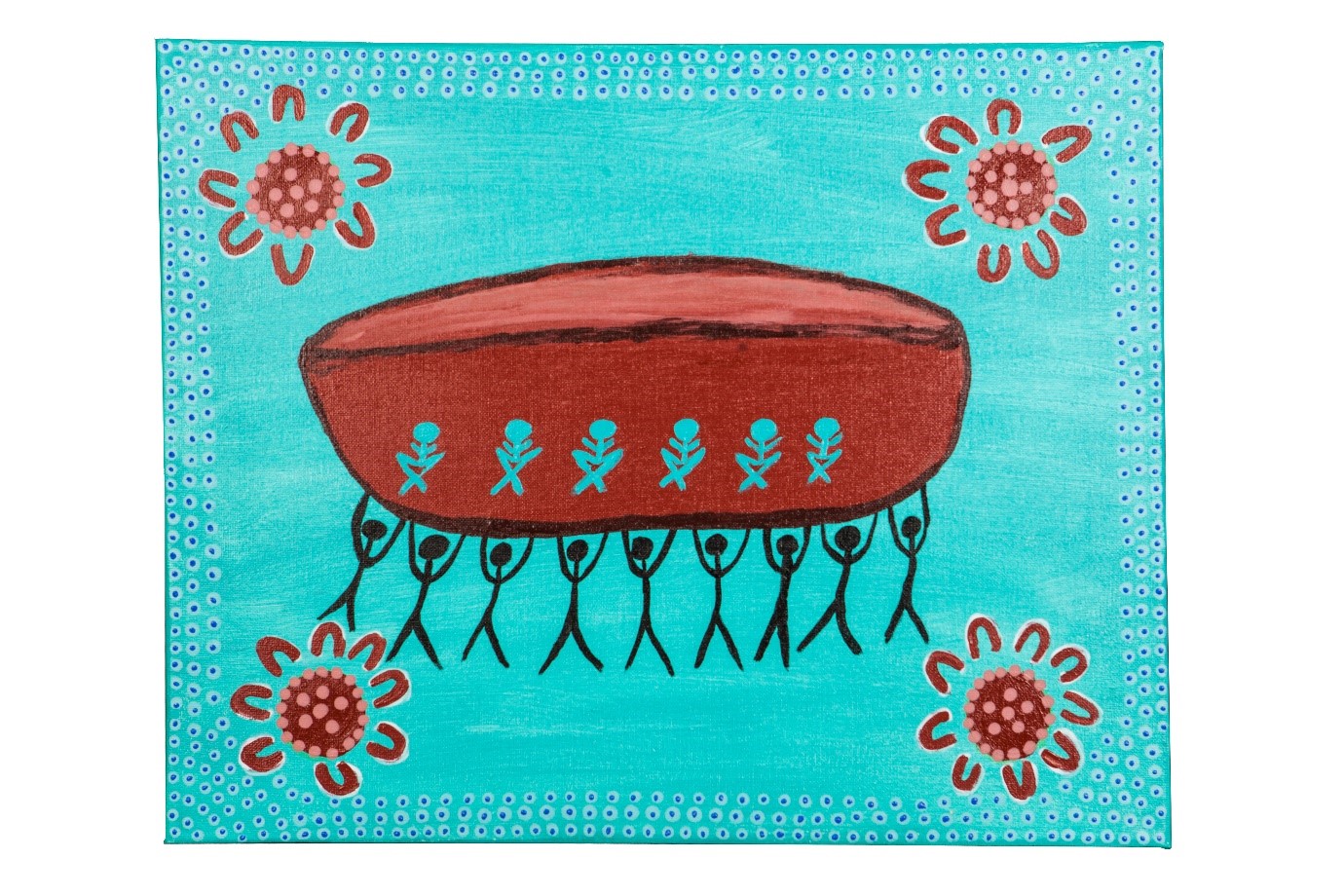
Brings the Aboriginal community(s) of Perth together with service providers & policy makers to improve outcomes for Aboriginal kids and their families.
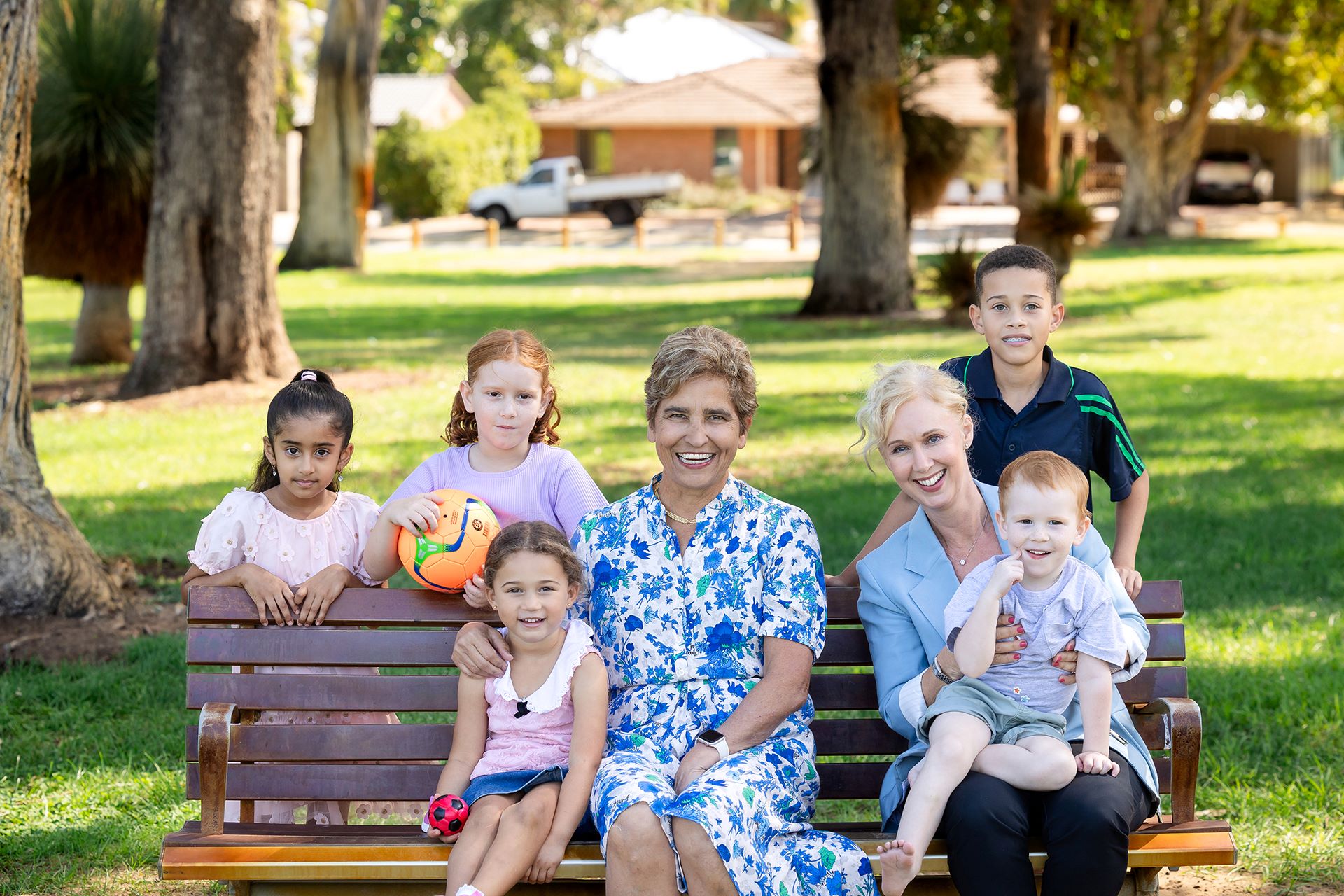
ORIGINS is Australia's largest longitudinal cohort study of its kind. Following 10,000 WA children from their time in the womb into early childhood, ORIGINS researchers are working to better understand when and why non-communicable diseases develop, and provide solutions for early intervention to ensure every child and family flourishes throughout their lifetime.
Jonathan Judy Alex Jeffrey Rosemary Carapetis AM Katzenellenbogen Brown Cannon Wyber AM MBBS FRACP FAFPHM PhD FAHMS BSc (Occ Ther) BSc Hons (
Pets may protect children from developing social-emotional problems and should be taken into account when assessing child development and school readiness
Previous studies showed that unfavourable weather conditions discourage physical activity. However, it remains unclear whether unfavourable weather conditions have a differential impact on physical activity in children compared with adults.
Positive maternal mental health during the perinatal period contributes to general well-being and positive emotional bonds with the child, encouraging an optimal developmental trajectory. Online interventions to enhance maternal well-being and develop coping skills, such as meditation-based interventions, can be a low-cost way to improve mother and child outcomes.