
Search
Showing results for "preterm birth lungs"
The abundant skin commensal, Staphylococcus epidermidis, is the leading cause of late-onset sepsis (LOS) in preterm infants but rarely causes infections in term infants and adults. Staphylococcal virulence mechanisms and the role of the preterm immune responses in driving these life-threatening infections remain poorly understood.
Siblings of children with intellectual disability have unique family experiences, varying by type of disability.
It is well recognized that genetic disease makes a significant contribution to childhood illness. Here, we present recent population data describing...

Find out about the research outputs for the Development Pathways Project, and see the published research outcomes.
One way the Wal-yan Respiratory Research Centre provides the opportunity for consumers and community members to contribute to our research is through participation in one of our eight community reference groups.

Perth respiratory researchers have discovered that giving an immune booster to mothers during pregnancy could increase their newborns’ resistance to severe and life-threatening respiratory viral infections.
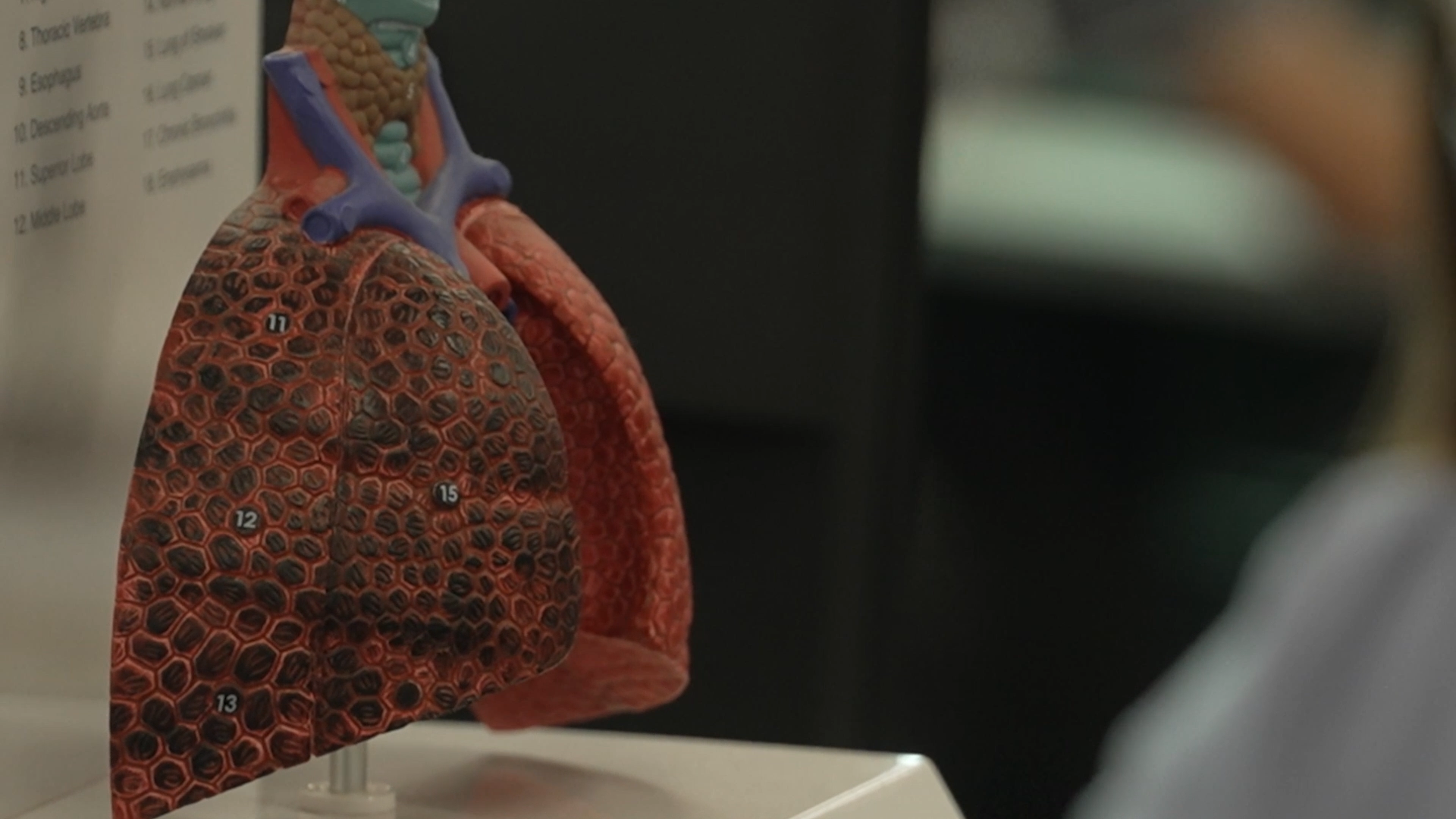
Promising results from an Australian-led clinical trial could drastically change the way we care for young children with cystic fibrosis (CF).
Sibling profiles, including sibling status (only-child or sibling) and sibling characteristics (sibling size, birth order, and sex), can impact on lived experiences and social interactions, and operate as protective or risk factors for a wide range of health and well-being indicators and outcomes. Using population-based data linkage to disability-specific databases, sibling profiles were compared between families of children with and without neurodevelopmental conditions.
We hope that through earlier diagnosis and treatment of muscle weakness during sleep, we can prevent future lung failure in children with neuromuscular disorders.
Determine whether inhaled albuterol sulfate (salbutamol sulfate) premedication decreases the risk of perioperative respiratory adverse events