Skip to content
The Kids Research Institute Australia logo
Donate

No results yet

Search

Research

Supporting nutrition education in low socioeconomic schools in Western Australia

School-based nutrition education (NE) has an important role in promoting healthy eating habits and helping prevent chronic diseases – particularly among disadvantaged children and youth who are more likely to experience poor diet quality. 

Research

Incidence of Stroke in Indigenous Populations of Countries With a Very High Human Development Index A Systematic Review

Cardiovascular disease contributes significantly to disease burden among many Indigenous populations. However, data on stroke incidence in Indigenous populations are sparse. We aimed to investigate what is known of stroke incidence in Indigenous populations of countries with a very high Human Development Index locating the research in the broader context of Indigenous health.

Research

A very low carbohydrate diet for minimising blood glucose excursions during ultra-endurance open-water swimming in type 1 diabetes: a case report

Carbohydrate-restricted diets are used by people with type 1 diabetes (T1D) to help manage their condition. However, the impact of this strategy on blood glucose responses to exercise is unknown. This study describes the nutritional strategies of an athlete with T1D, who follows a very low carbohydrate diet to manage her condition during an ultra-endurance open-water swimming event. 

Research

A Multisource Process Evaluation of a Community-Based Healthy Lifestyle Programme for Child and Adolescent Obesity †

Whānau Pakari is a healthy lifestyle assessment and intervention programme for children and adolescents with obesity in Taranaki (Aotearoa/New Zealand), which, in this region, replaced the nationally funded Green Prescription Active Families (GRxAF) programme. 

Research

Epidemiology and assessment of Hepatitis B positive children in Western Australia

To describe the characteristics of patients with chronic hepatitis B (CHB) presenting to a tertiary paediatric hospital in Perth, Western Australia. Review of implementation of previous follow-up recommendations for the cohort was also undertaken. 

Research

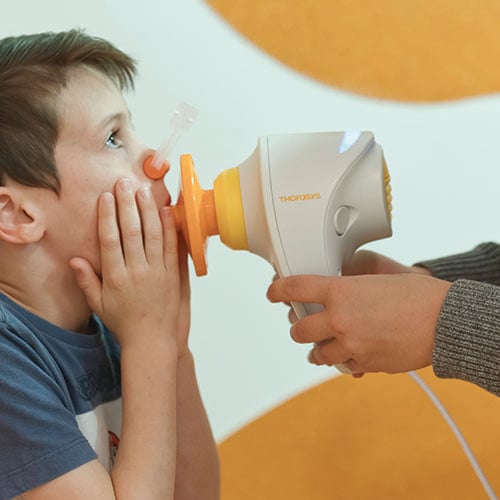
Oscillometry and spirometry are not interchangeable when assessing the bronchodilator response in children and young adults born preterm

The European Respiratory Society Oscillometry Taskforce identified that clinical correlates of bronchodilator responses are needed to advance oscillometry in clinical practice. The understanding of bronchodilator-induced oscillometry changes in preterm lung disease is poor. Here we describe a comparison of bronchodilator assessments performed using oscillometry and spirometry in a population born very preterm and explore the relationship between bronchodilator-induced changes in respiratory function and clinical outcomes.

Research

Randomised controlled trials of behavioural nudges delivered through text messages to increase influenza and COVID-19 vaccines among pregnant women (the EPIC study): study protocol

Influenza and COVID-19 infections during pregnancy may have serious adverse consequences for women as well as their infants. However, uptake of influenza and COVID-19 vaccines during pregnancy remains suboptimal. This study aims to assess the effectiveness of a multi-component nudge intervention to improve influenza and COVID-19 vaccine uptake among pregnant women. 

Research

A multicentre, retrospective audit of fosfomycin use for urinary tract infections in Australian children and adolescents

Urinary tract infections (UTIs) due to MDR organisms are increasingly common. The lack of paediatric data on efficacious antibiotics makes UTI treatment particularly challenging. Data on the efficacy of fosfomycin use for UTI in children are variable.

Research

Commentary: A spectrum for all? A response to Green et al. (2023), neurodiversity, autism and health care

The broadening of the clinical definition of autism over time-the so-called, autism spectrum-has run in parallel with the growth of a neurodiversity movement that has reframed the concept of autism entirely. Without a coherent and evidence-based framework through which both of these advances can be situated, the field is at risk of losing definition altogether.

Research

Non-communicable disease mortality in young people with a history of contact with the youth justice system in Queensland, Australia: a retrospective, population-based cohort study

Young people who have had contact with the criminal justice system are at increased risk of early death, especially from injuries. However, deaths due to non-communicable diseases (NCDs) in this population remain poorly described. We aimed to estimate mortality due to NCDs in people with a history of involvement with the youth justice system, compare NCD mortality rates in this population with those in the general population, and characterise demographic and justice-related factors associated with deaths caused by NCDs in people with a history of contact with the youth justice system.