
Search
Stay up to date with the latest news with Journey Together.

For pregnant Aboriginal women living in WA’s East Pilbara, significant issues systematically impede their pregnancy journey and a safe and healthy start to life for their babies.
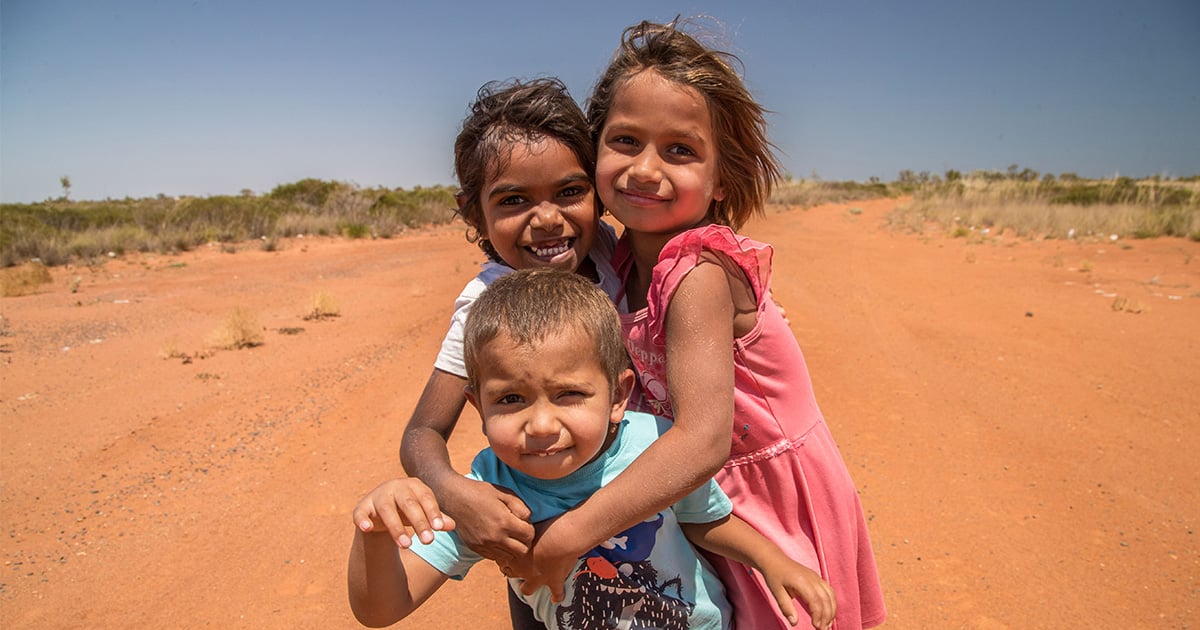
Early in the consultation phase of the project, local Elders through Hedland Aboriginal Strong Leaders, education representatives and others identified that vulnerable families needed help navigating and accessing local support services that were already available in Port Hedland.
The Continuous Glucose Monitoring (CGM) Initiative recently introduced universal subsidized CGM funding for people with type 1 diabetes under 21 years of age in Australia. We thus aimed to evaluate the cost-effectiveness of this CGM Initiative based on national implementation data and project the economic impact of extending the subsidy to all age-groups.
Microbial biodiversity includes biotic and abiotic components that support all life forms by adapting to environmental conditions. Climate change, pollution, human activity, and natural calamities affect microbial biodiversity.
Kathryn Ramsey BSc (Hons), PhD Co-Head, Foundations of Lung Disease kathryn.ramsey@thekids.org.au Co-Head, Foundations of Lung Disease Associate
Having a preterm (<37 weeks' gestation) birth may increase a woman's risk of early mortality. Aboriginal and Torres Strait Islander women have higher preterm birth and mortality rates compared with other Australian women.
Rotavirus causes substantial morbidity and mortality every year, particularly among under-five children. Despite Rotavirus immunization preventing severe diarrheal disease in children, the vaccination coverage remains inadequate in many African countries including Ethiopia.
Laboratory models provide an important tool in helping to understand the cellular and molecular drivers of respiratory disease. Many animal models exist that model the neonatal outcomes of preterm birth.
Engagement has been identified as an important predictor of student outcomes; therefore, teachers’ ability to accurately and objectively measure student engagement is essential and can assist teachers to make instructional decisions based on data rather than perception.