
Search
Showing results for "Childhood interstitial lung disease "
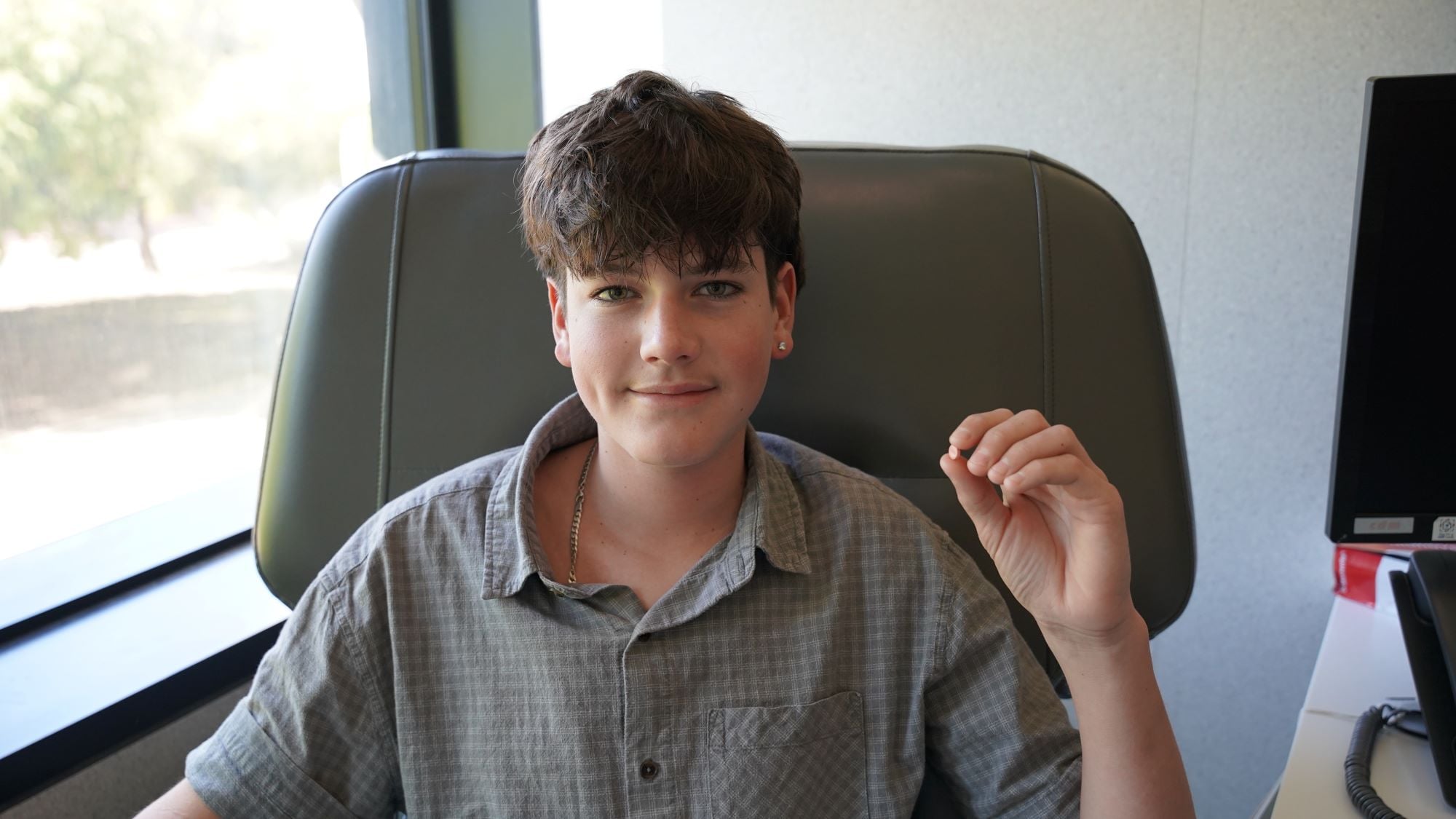
To celebrate International Clinical Trials Day, we are highlighting some of the current trials underway at the Children's Diabetes Centre at the Kids Research Institute Australia and Perth Children's Hospital and thanking all the diabetes community who have said yes to diabetes research.
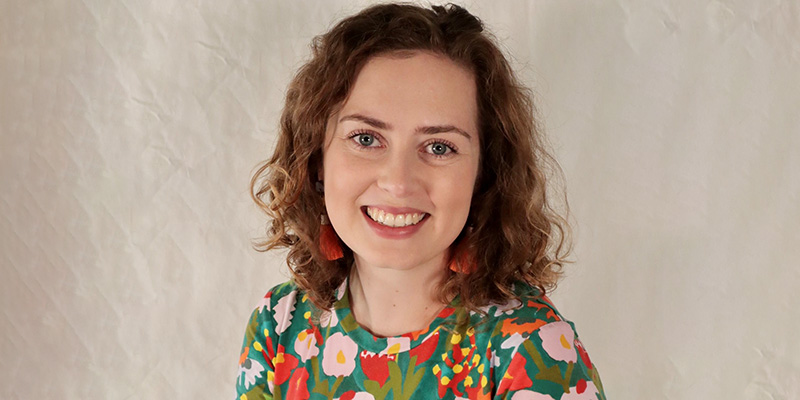
Dr Samantha Carlson is an early career mixed-methods social scientist, leading research that seeks to understand how to improve access to and understanding about vaccination.
Our aim is for all kids to have healthy skin. We work with communities to reduce the burden of Strep A skin sores and sore throats to prevent rheumatic fever.
Recent interest in the diverse ecosystem of bacteria, fungi and viruses that make up the skin microbiome has led to numerous studies investigating the skin microbiome in healthy skin and in dermatological conditions. However, skin microbiome analysis is challenging due to relatively low numbers of skin microorganisms compared to mucosal sites, such as the respiratory or gastrointestinal tracts. Microbiome results are heavily influenced by sampling methods.
Group A Streptococcus (GAS) causes pharyngitis (sore throat) and impetigo (skin sores) GAS pharyngitis triggers rheumatic fever (RF) with epidemiological evidence supporting that GAS impetigo may also trigger RF in Australian Aboriginal children. Understanding the concurrent burden of these superficial GAS infections is critical to RF prevention. This pilot study aimed to trial tools for concurrent surveillance of sore throats and skins sore for contemporary studies of RF pathogenesis including development of a sore throat checklist for Aboriginal families and pharynx photography.
The Youth Safe Haven Project will co-design a youth-specific Safe Haven Café within the Peel Health Hub to serve as an alternative to the emergency department for young people at risk of suicide.
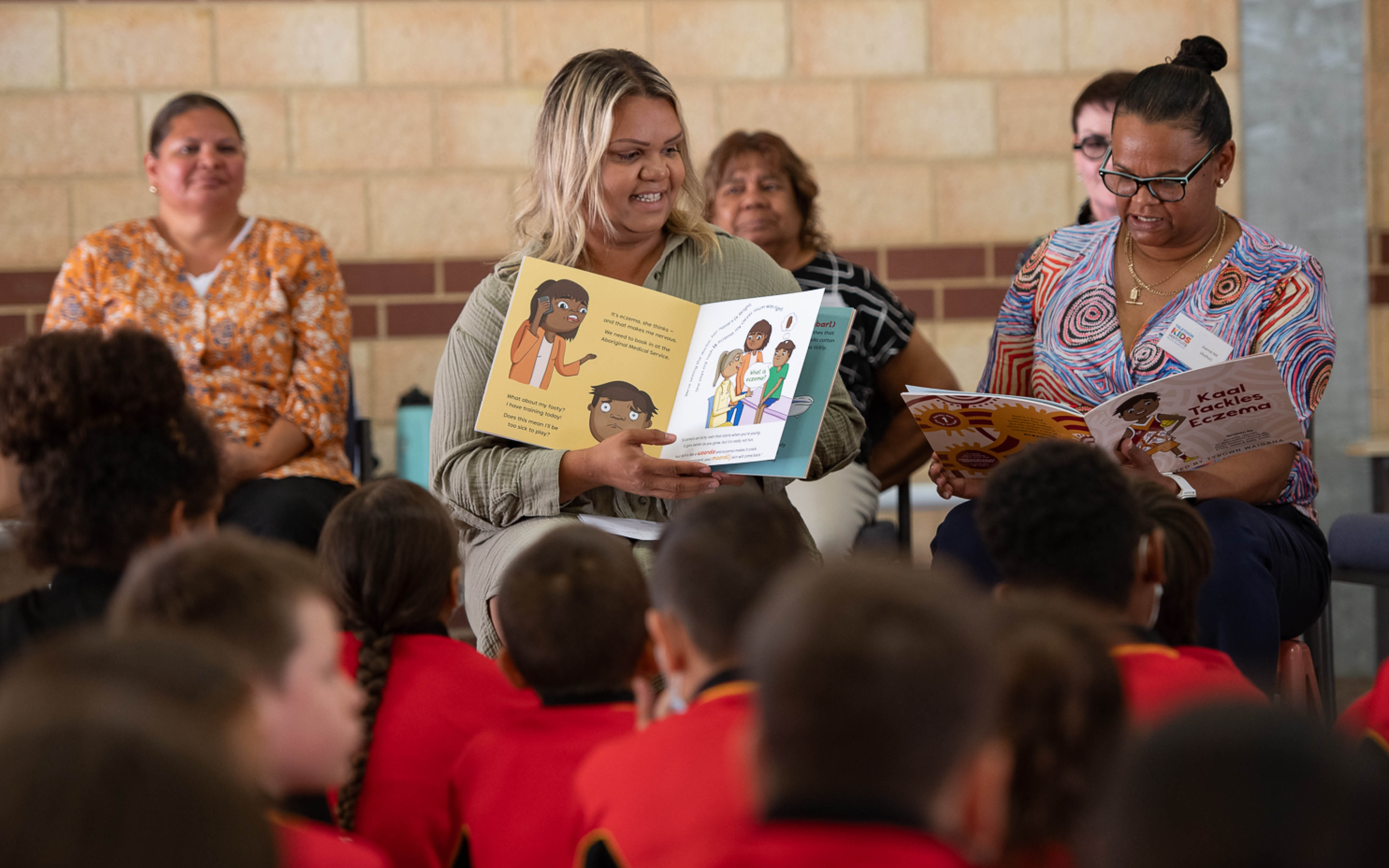
Kaal is a proud Noongar boy, he loves playing football, but this season Kaal is about to tackle a new and unexpected challenge… eczema.
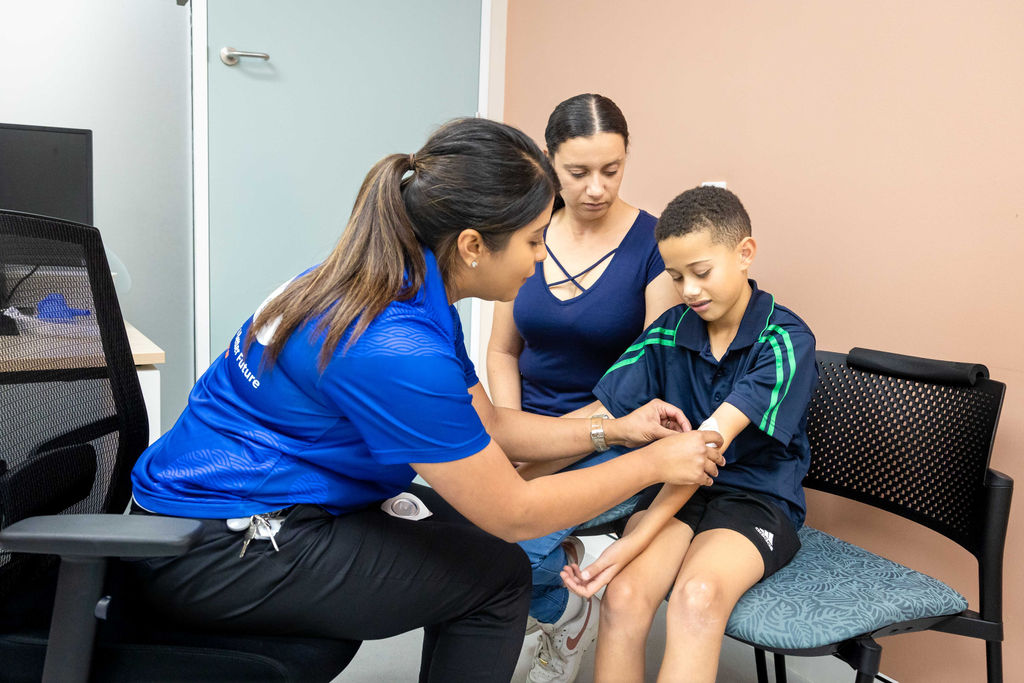
Exploring opportunities for early diagnosis and intervention and the impact this has on improving family healthcare.
Many children with intellectual disability live with medical comorbidities. This study examined the impacts of comorbidities on quality of life (QOL) of children with intellectual disabilities and whether impacts varied with caregiver perceptions that medical needs had been met.
Medulloblastoma (MB) consists of four core molecular subgroups with distinct clinical features and prognoses. Treatment consists of surgery, followed by radiotherapy and cytotoxic chemotherapy. Despite this intensive approach, outcome remains dismal for patients with certain subtypes of MB, namely, MYC-amplified Group 3 and TP53-mutated SHH. Using high-throughput assays, six human MB cell lines were screened against a library of 3208 unique compounds. We identified 45 effective compounds from the screen and found that cell cycle checkpoint kinase (CHK1/2) inhibition synergistically enhanced the cytotoxic activity of clinically used chemotherapeutics cyclophosphamide, cisplatin, and gemcitabine.