
Search
Showing results for "mental health aboriginal"
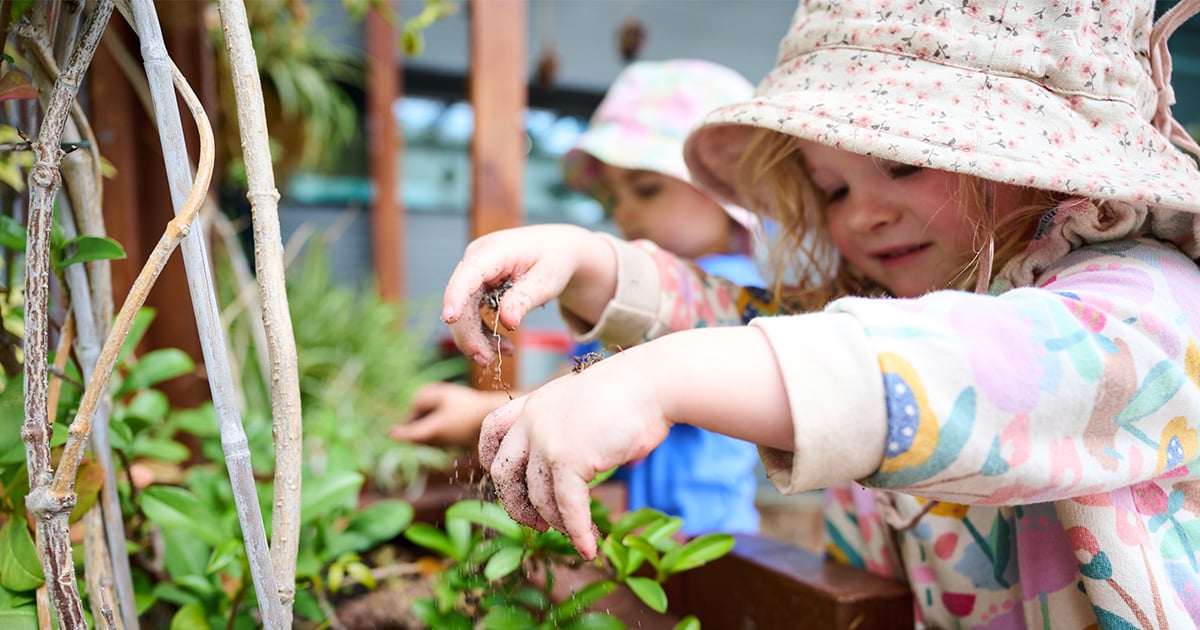
Preschool children with more backyard space and those who live closer to parks and water do more active play than children from other neighbourhoods, according to a new study by The Kids Research Institute Australia.
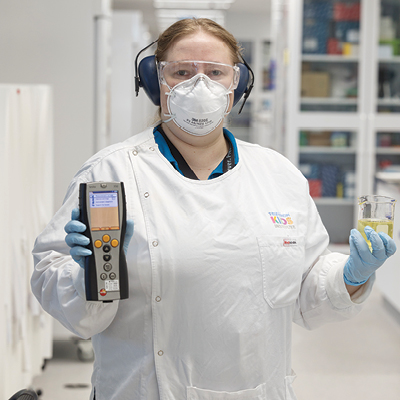
In a world being urged to embrace renewable options, biodiesel fuels are increasingly being touted as a greener, cleaner choice than traditional diesel.
Parents of children living with rare chronic and complex diseases have called for better education and resourcing of health professionals
Several studies suggest that maternal folic acid supplementation before or during pregnancy protects against childhood acute lymphoblastic leukaemia (ALL).
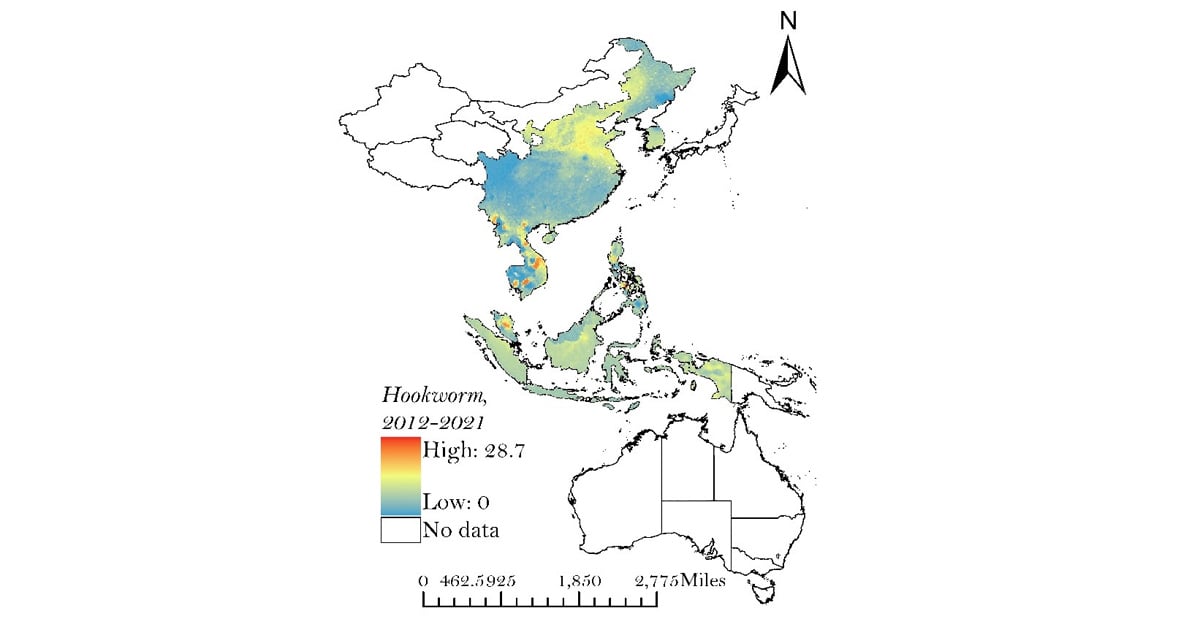
A global research team led by geospatial modelling experts from The Kids Research Institute Australia and Curtin University has provided the first detailed maps identifying hotspots across the Western Pacific Region where debilitating parasitic worms are rife.
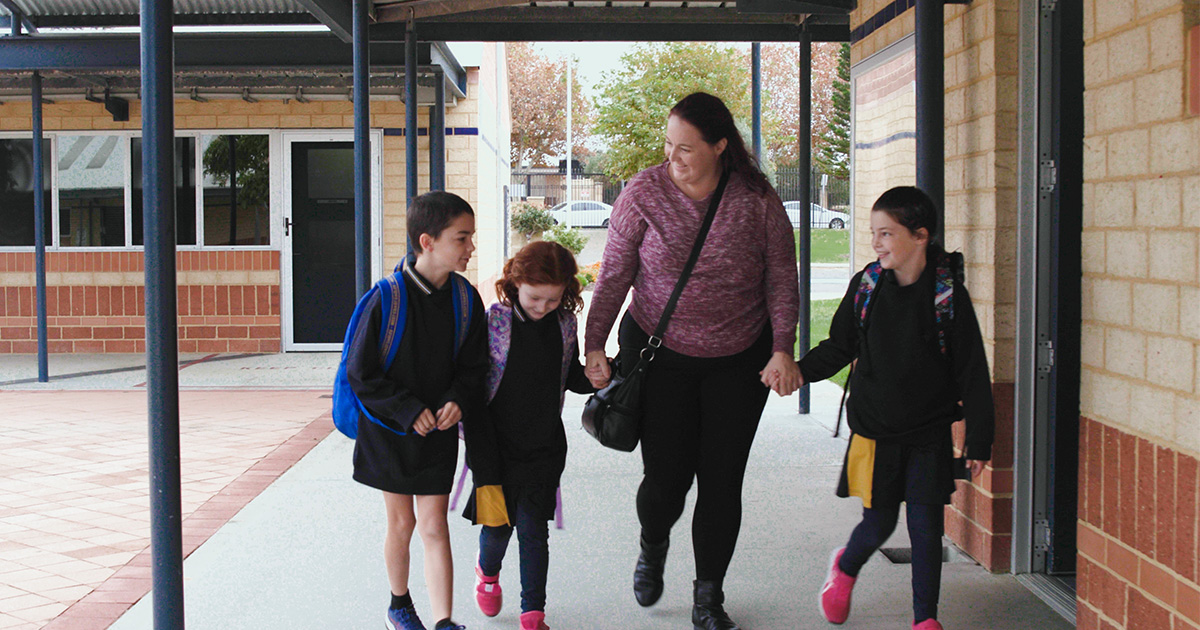
Researchers will use cutting edge big data and geospatial modelling techniques to tackle the dramatic decline in the number of West Australian children walking or riding to school.
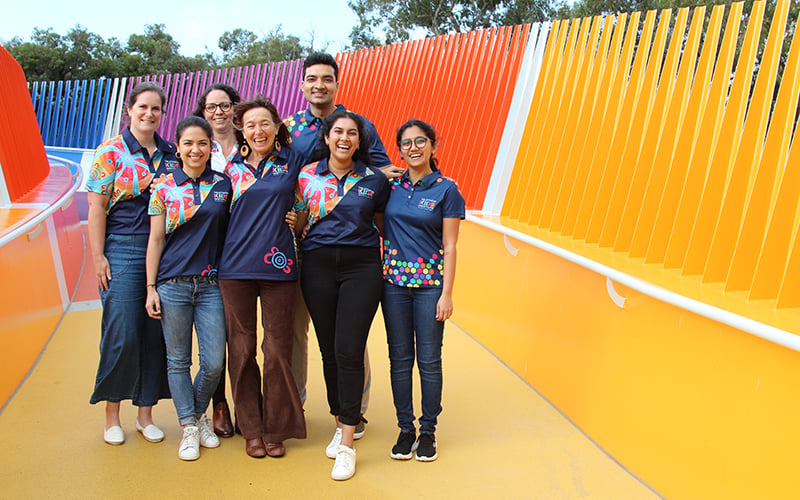
In celebration of World Breastfeeding Week (1 – 7 August), we sat down with Professor Valerie Verhasselt to ask her some of the top questions about breastfeeding and immunology.
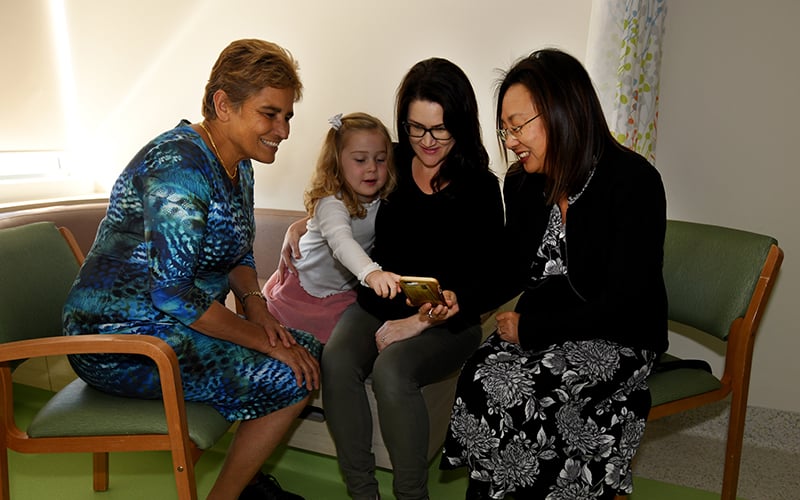
A new evidence-based app designed to support pregnant women to live a healthy lifestyle and give their baby the best start has been launched by The Kids Research Institute Australia and the Joondalup Health Campus

Perth researchers will use population data to help boost WA’s defences in the fight against COVID-19, developing modelling to build a clearer picture of how the virus could spread through high-risk populations.

An audit of outdoor food advertising near Perth schools has found that three-quarters of the promotions were for junk food and alcohol.