
Search
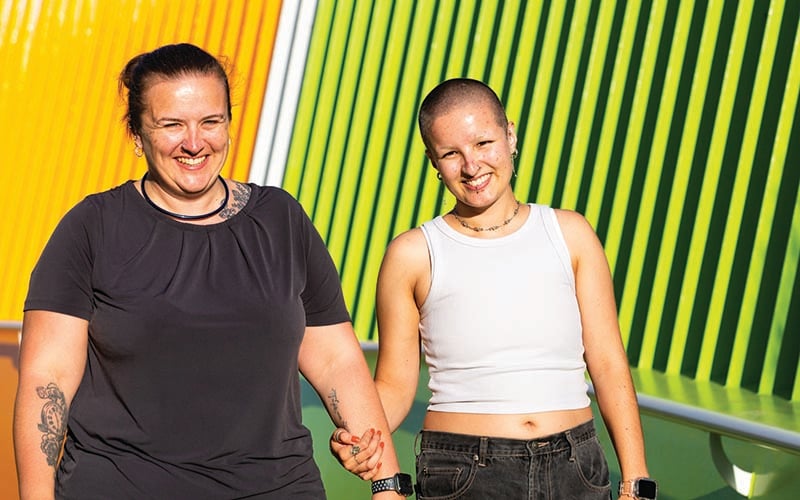
A new website for parents of trans children and young people across Australia is expected to improve family wellbeing and ultimately save lives after launching in May 2023.

The Walkern Katatdjin (Rainbow Knowledge) project has produced a suite of resources to help services become more inclusive.
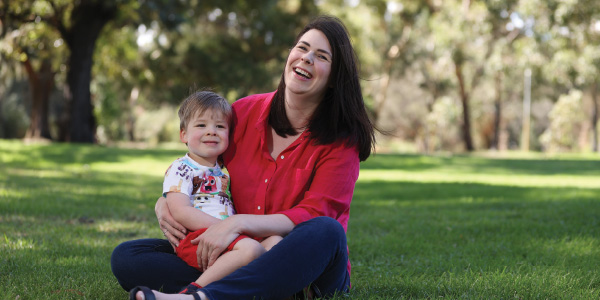
Amy Bertinshaw had a choice between ‘wait and see’ or seek help when she noticed her son Stirling was slower to meet developmental milestones at age 12 months.
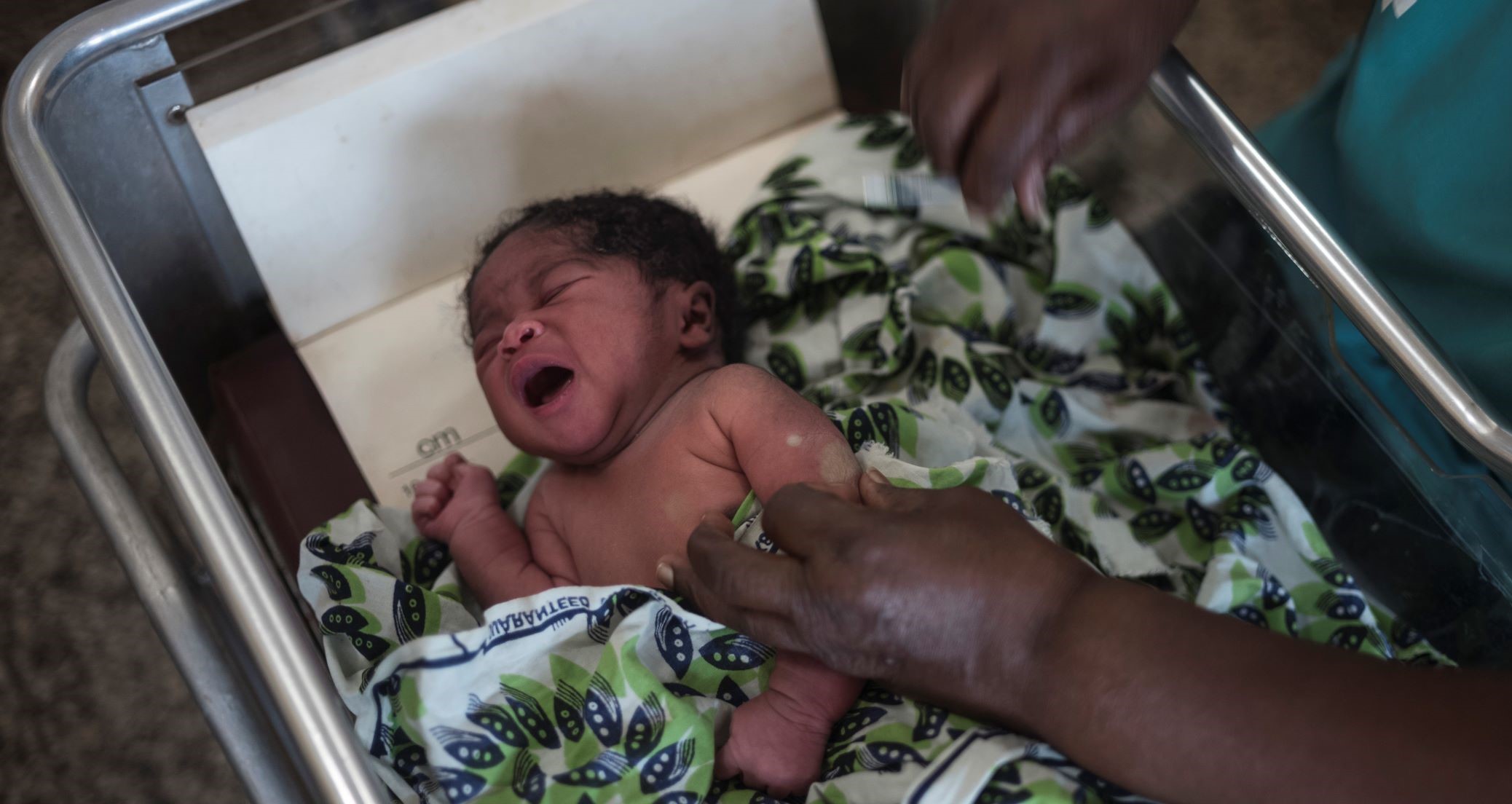
The veteran tuberculosis vaccine BCG has puzzled scientists for decades. Now, The Kids researchers have not only unlocked part of the secret to its success in saving the lives of newborns, but they’re at the forefront of global efforts to test its ability to fight COVID-19.
Group A streptococcal (GAS) infections can trigger an immune-mediated response resulting in acute rheumatic fever. The role of social and environmental risk factors for GAS pharyngitis and skin infections are not well understood.
Health care workers (HCWs) are at an increased risk of catching and spreading Coronavirus Disease 2019 (COVID-19) compared with the general community, putting health systems at risk. Several jurisdictions globally have mandated or are looking to mandate COVID-19 vaccines for this cohort, but little is known about the acceptability of this measure, especially in different contexts, and there is little qualitative data to explore nuance, depth, and the reasons behind HCWs’ opinions.
Alcohol and Other Drug (AOD) exposure during pregnancy is linked to serious adverse child outcomes, including Fetal Alcohol Spectrum Disorder. The Parent-Child Assistance Program (PCAP) supports women with problematic AOD use, who are pregnant or have young children, and are not effectively engaging with services. PCAP has been shown to reduce alcohol exposed pregnancies, promote AOD abstinence, increase employment and family planning and improve child outcomes.
The unprecedented global rise in mental anguish is closely linked with the erosion of our social fabric, economic and political systems, and to our natural environments. We are facing multiple new large-scale threats to health, safety, and security, with a growing lack of trust in others and in authorities.
Monitoring children's recovery postoperatively is important for routine care, research, and quality improvement. Although telephone follow-up is common, it is also time-consuming and intrusive for families. Using SMS messaging to communicate with families regarding their child's recovery has the potential to address these concerns. While a previous survey at our institution indicated that parents were willing to communicate with the hospital by SMS, data on response rates for SMS-based postoperative data collection is limited, particularly in pediatric populations.
The media plays a powerful role in shaping health-related attitudes and behaviours. We investigated media reports about children's independent mobility (CIM) and associations with parental attitudes towards CIM. CIM-related media reports (newspaper, online, television) during a 3-month period were extracted from two databases.